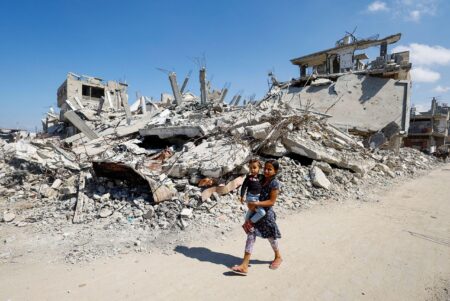
In a powerful joint statement, leaders from the UK, France, and Canada have voiced their profound alarm over the rising tide of violence in Gaza and the West Bank. They urgently called for an immediate halt to hostilities and emphasized the need for renewed efforts to forge a lasting peace in this troubled region.
Browsing: Regional Stability
The U.S. State Department is putting a hefty $10 million bounty on the table for information about Hezbollah operatives in Argentina, Brazil, and Paraguay. This bold initiative highlights escalating worries about the group’s expanding influence and activities in South America, intensifying fears over regional security.
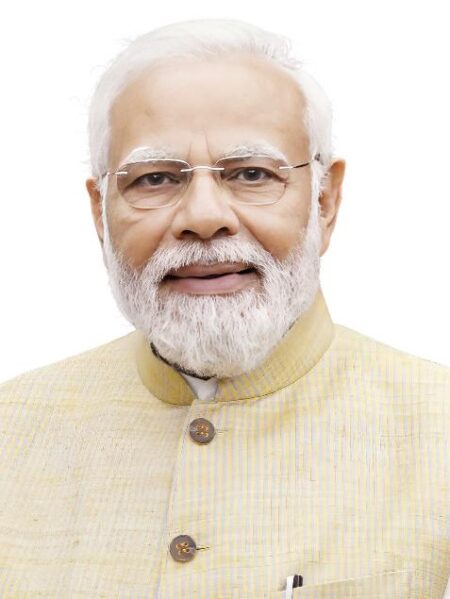
In “Modi’s Escalation Trap,” The Atlantic delves into the delicate power dynamics shaped by India’s Prime Minister Narendra Modi. With tensions mounting alongside its neighbors, experts caution that a confrontational stance might trigger unforeseen repercussions and spark regional instability
India is keenly observing the evolving partnership between Pakistan and Bangladesh, as recent diplomatic interactions hint at a possible transformation in regional alliances. This intriguing development stirs concerns about the strategic landscape in South Asia, compelling India to reassess its foreign policy approach.
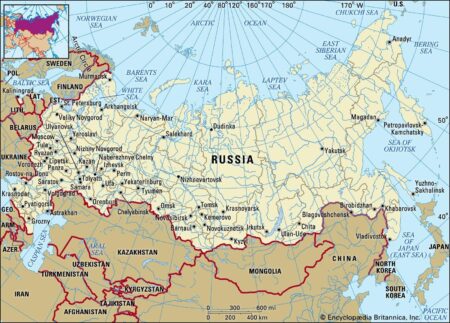
As the conflict in Ukraine continues to unfold, recent analyses reveal that Russia is encountering substantial challenges on various fronts. The unwavering resilience and strategic maneuvers of Ukrainian forces are transforming the battlefield, putting Moscow’s military goals and morale to the test.
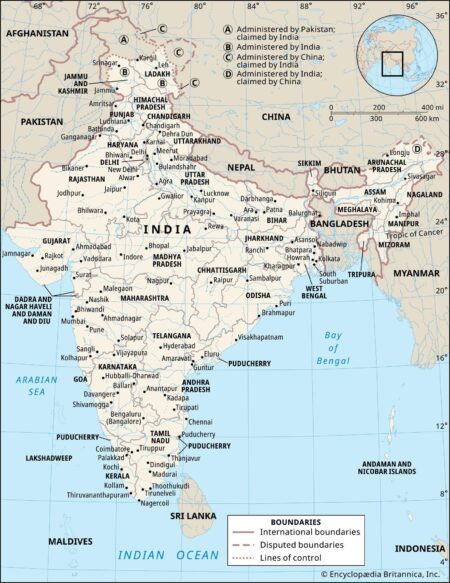
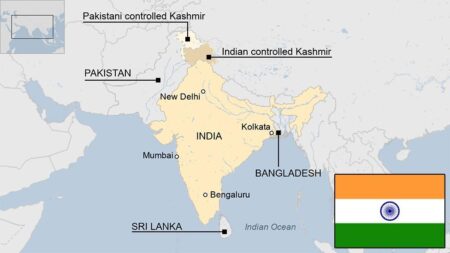
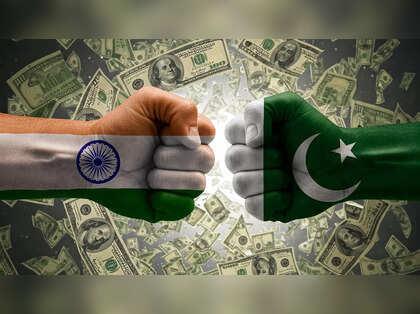
The simmering tensions between India and Pakistan have reached a boiling point, with both nations exchanging fierce attacks. This alarming escalation has sparked fears of a possible military confrontation between two nuclear-armed powers. Experts caution that the precarious situation could lead to devastating repercussions for regional stability.
In a dramatic turn of events, India has initiated airstrikes against Pakistan, raising alarm bells among global experts. Analysts are sounding the warning about possible regional instability and are calling for urgent diplomatic efforts to prevent further escalation. The future for both nations hangs in the balance, shrouded in uncertainty.
In a bold statement, Indian Prime Minister Narendra Modi declared that India has only “paused” its military operations against Pakistan, underscoring the nation’s readiness for any potential escalation. This announcement sends ripples of concern about the future dynamics in the region.
France has voiced its backing for a thorough review of the EU-Israel trade agreement in light of the intensifying violence in Gaza. This stance highlights the increasing apprehension regarding the humanitarian crisis unfolding in the region, prompting European nations to reevaluate their diplomatic relationships with Israel.
In a remarkable diplomatic breakthrough, Australia, Bangladesh, and Nepal have united in a powerful call for an “understanding” to put an end to military actions and gunfire between India and Pakistan. This bold initiative seeks to ease rising tensions and pave the way for meaningful dialogue in the region.
The enduring India-Pakistan conflict offers a unique strategic opportunity for China, as it aims to bolster its intelligence operations in the region. Experts believe that the escalating tensions could pave the way for China to gain invaluable insights into the military strategies of both nations.
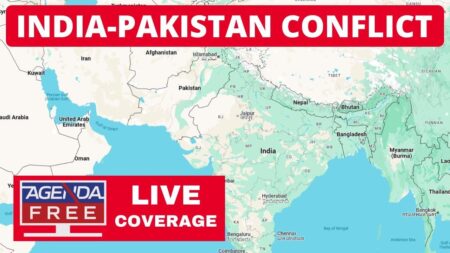
Breaking news reveals that the enduring India-Pakistan conflict has surged to alarming new heights, with fierce military confrontations and tragic civilian casualties emerging from the frontline. This escalation represents the most significant clash between these two nations in decades, sparking widespread international concern.
In a groundbreaking political shift, the Syrian leader has revealed that the nation is now participating in indirect talks with Israel. This unexpected announcement could pave the way for a warming of relations, offering a glimmer of hope amidst ongoing regional tensions and deep-rooted disputes.
The Council on Foreign Relations emphasizes the critical need for the U.S. to tread carefully in the complex India-Pakistan conflict. With tensions on the rise, even a small miscalculation could threaten not only regional stability but also vital U.S. interests. This situation highlights the importance of thoughtful and strategic diplomatic efforts.
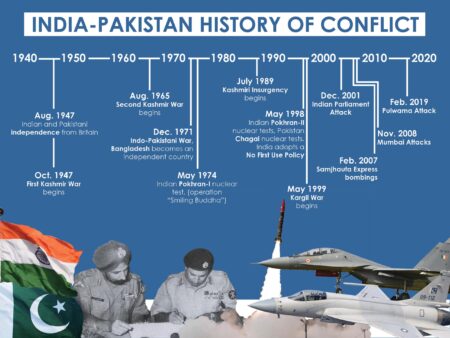
The relationship between India and Pakistan is steeped in a rich tapestry of history, marked by conflict and rivalry. At the heart of this complex bond lie deep-seated territorial disputes and religious divides that have fueled animosity for decades. As both nations navigate the shifting landscape of global politics, the echoes of their tumultuous past resonate loudly, casting a long shadow over current tensions.
In a tragic turn of events, at least six lives were lost in a recent attack in Pahalgam, Kashmir, igniting a wave of violence against the local Kashmiri community. In response to this escalating turmoil, authorities have ramped up security measures to safeguard the region and prevent any further unrest.
In the wake of the shocking terror attack in Pahalgam, Union Home Minister Rajnath Singh has pledged a powerful and decisive response to those who threaten our nation. As the investigation progresses, security forces are on heightened alert, working tirelessly to safeguard the region and its people.
In the wake of a tragic attack in Kashmir, the already fraught relationship between India and Pakistan is reaching new heights of tension. As the situation unfolds, there are growing calls for urgent dialogue to prevent further escalation. Experts caution that without immediate action towards peace and reconciliation, this incident could plunge the region into deeper instability.
In a decisive move, India has temporarily closed over half of the enchanting tourist destinations in Kashmir after a thorough security review triggered by recent attacks. This step is part of a broader effort to prioritize visitor safety as tensions in the region escalate. Unfortunately, this decision is taking a toll on the local tourism economy, which thrives on the beauty and allure of Kashmir’s breathtaking landscapes.
As tensions rise between India and Pakistan, analysts are pointing to a crucial turning point for India’s military strategy. With the threat of incursions on the horizon, all eyes are on operational readiness and robust deterrent measures in response to the increasing regional instability.