Israel’s intricate relationship with Russia may gain traction if Trump resumes the presidency. As geopolitical dynamics shift, Chatham House suggests that Trump’s approach could enhance strategic cooperation, influencing regional stability and security.
Browsing: Regional Stability
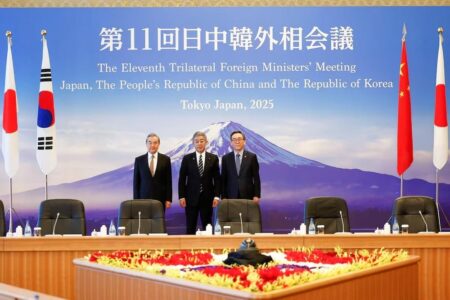
Japan, China, and South Korea are aiming to hold a trilateral summit by the end of the year. This initiative seeks to strengthen diplomatic ties and address regional challenges, emphasizing cooperation amid rising tensions in East Asia.
In a region marked by geopolitical tension, France’s strategy in the Indo-Pacific emerges as a multifaceted approach balancing maritime security, regional partnerships, and proactive diplomacy. Understanding this strategy is crucial for navigating future conflicts and alliances.
Spain and Morocco are strengthening their partnership to navigate the challenges of global competition. As strategic allies, both nations aim to enhance economic ties and security cooperation, showcasing a united front in an increasingly complex geopolitical landscape.
Recent imagery reveals China’s latest ‘invasion barges,’ a significant leap in amphibious assault capabilities. These vessels, designed for rapid troop deployment and logistics, raise concerns about regional security dynamics and military preparedness.
Russia has announced plans to enhance Myanmar’s imagery intelligence capabilities, signaling a deepening of military ties between the two nations. This collaboration aims to strengthen Myanmar’s surveillance and reconnaissance efforts amid regional tensions.
China, Iran, and Russia conducted joint naval drills in the Middle East, reinforcing their military cooperation amid growing regional tensions. The exercises aim to enhance maritime security and showcase their strategic alliances, signaling a unified front.
Japan is navigating uncertainty as recent U.S. policy shifts prompt both concern and caution. With an eye on regional stability and economic ties, Tokyo is reassessing its strategies while bracing for potential challenges ahead.
France, Germany, Italy, and the UK have endorsed an Arab-backed initiative aimed at Gaza’s reconstruction. This collaborative effort seeks to address the humanitarian crisis and promote stability in the region following recent conflicts.
According to the Atlantic Council, Europe possesses the necessary resources to reinforce its defense capabilities while supporting Ukraine in its ongoing conflict with Russia. This strategic assertion highlights Europe’s potential to bolster regional security and deter aggression.
In a recent analysis, “The Strategist” highlights how Australia’s heightened military response to the presence of Chinese warships in the region inadvertently strengthens Beijing’s position. Such overreactions may embolden China’s assertiveness in the Indo-Pacific.
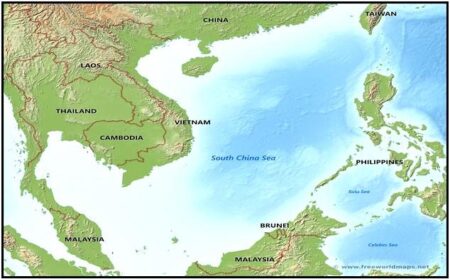
In a strategic display of military collaboration, a US nuclear submarine docked at a key ally’s port amidst rising tensions in the South China Sea. This visit underscores the growing concerns over China’s expanding naval presence, reinforcing regional stability.
China has labeled recent military drills around Taiwan as “routine,” amid rising tensions. In response, Taipei has reported a significant uptick in Chinese military activities, heightening concerns over regional stability and the potential for conflict.
A recent CNN report raises doubts about the effectiveness of China’s military buildup, questioning whether its advancements in arms truly prepare it for conflict. Analysts suggest that while the expansion appears formidable, practical capabilities may not match the rhetoric.
Recent Chinese naval drills near Australia have sparked complaints from Australian officials and led to flight diversions in the region. The exercises, deemed a security concern, highlight growing tensions and the complexities of maritime operations in the Indo-Pacific.