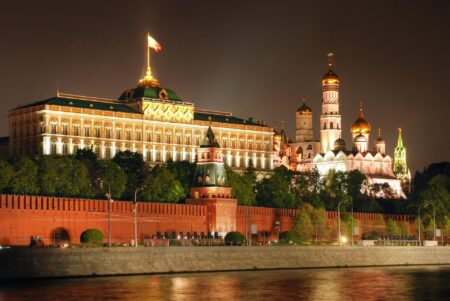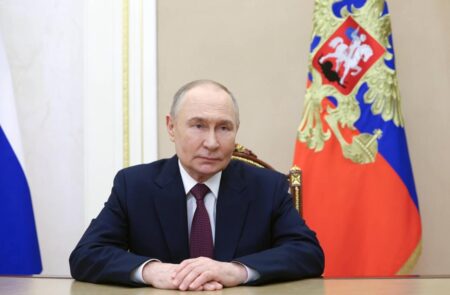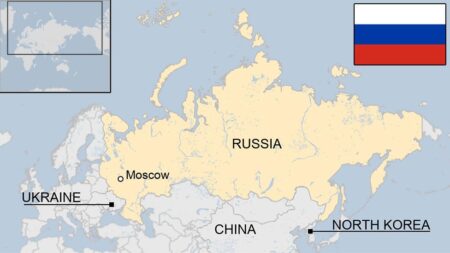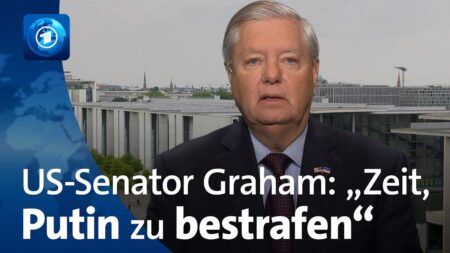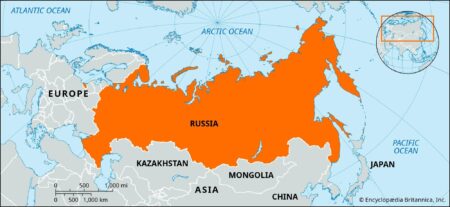
In a shocking twist, a high-ranking Russian general has reportedly been killed in Moscow just as the U.S. envoy sat down with President Putin. This dramatic timing sparks intriguing questions about internal security and what it means for the already fraught relations between Russia and the West.
Browsing: Russia
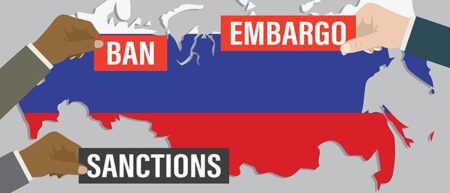
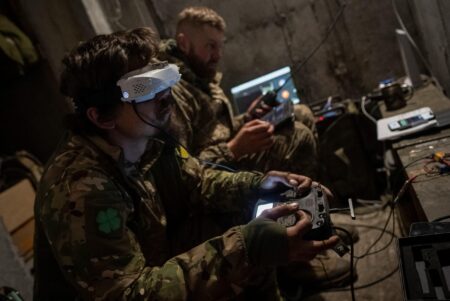
The UK has taken a bold step by banning the export of video game controllers to Russia, driven by fears that these devices could be adapted for drone operation. This decisive action is part of a broader strategy to strengthen sanctions and curb Russia’s technological advancements amid escalating geopolitical tensions.
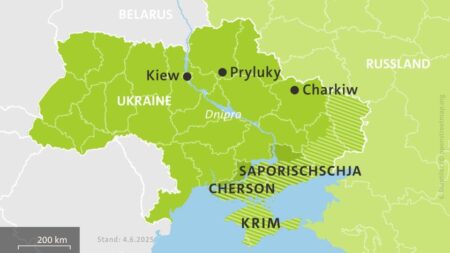
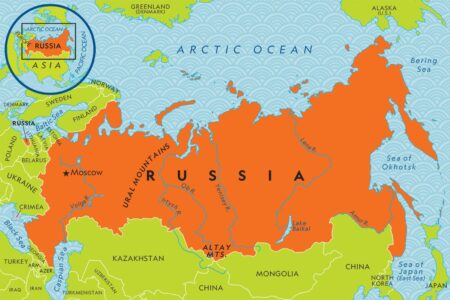
Crimea has become a focal point in the ongoing dialogue surrounding the resolution of Russia’s war in Ukraine. Its strategic position, rich history, and abundant resources render it an invaluable asset, shaping not only diplomatic negotiations but also military tactics on both sides.
Recent data reveals a fascinating divide among Americans when it comes to Trump’s views on Ukraine and Russia. On one side, many applaud his focus on prioritizing American interests, seeing it as a bold move. On the other hand, there are growing concerns about his seemingly soft approach towards Moscow, especially in light of the escalating tensions. This split in opinion highlights the complexity of foreign policy in today’s world.
Italy has officially stated that the proposed merger terms between UniCredit and BPM are designed to exclude any support for Russia. The government is committed to ensuring that this financial integration adheres strictly to sanctions and international standards, especially in light of the current geopolitical tensions
In a shocking turn of events, former NHL goalie Dominik Hasek has come forward with explosive claims that he received death threats from none other than former Russian President Dmitry Medvedev. These alarming threats were reportedly triggered by Hasek’s bold and vocal criticism of the Russian government during a time of escalating geopolitical tensions.
In a daring and decisive move, JD Vance has thrown down the gauntlet to both Ukraine and Russia, demanding concrete proposals to bring an end to the relentless conflict. The Ohio Senator’s bold stance signals a pivotal shift in U.S. policy, underscoring the urgent need for a clear and effective resolution to this ongoing war.
In a bold statement, former President Donald Trump took aim at Ukrainian President Volodymyr Zelensky, chastising him for his steadfast refusal to acknowledge Russia’s annexation of Crimea. Trump’s comments arrive during a time of heightened tensions between Ukraine and Russia, underscoring the intricate web of challenges that define international diplomacy today.
Ukraine and European leaders firmly believe that any land agreements with Russia should hinge on a ceasefire, highlighting the critical importance of achieving stability and peace before moving forward with negotiations. This position sheds light on the intricate web of ongoing geopolitical tensions.
In a powerful call to action, JD Vance passionately urged both Ukraine and Russia to consider a land swap, stressing that swift and decisive measures are crucial for achieving lasting peace. “It’s now or never,” he proclaimed, underscoring the pressing need to resolve the ongoing conflict as tensions continue to escalate.
Russia has brushed aside former President Trump’s suggested timeline for brokering peace in the Ukraine war, labeling it as “an exercise in futility.” This reaction highlights the persistent tensions as diplomatic initiatives continue to languish amid the ongoing conflict.
Ukrainian President Volodymyr Zelenskyy has raised alarm bells by accusing Chinese nationals of aiding Russia in the production of drones, intensifying worries about foreign interference in the conflict. This assertion highlights the intricate geopolitical tensions that are unfolding amid the ongoing war
Italy is pushing UniCredit to divest from its Russian operations as part of the negotiations to wrap up its deal with Banca Popolare di Milano (BPM), a source reveals. This strategic shift is designed to ensure compliance with European sanctions in light of the escalating geopolitical tensions
France has firmly rejected Russia’s suggested “Easter truce,” labeling it as disingenuous. With upcoming peace talks on Ukraine looming, French officials express deep skepticism, pointing out that such gestures starkly contrast with the persistent violence in the region. This raises serious questions about the true intentions behind Russia’s proposal.
Russia has unveiled what it claims to be evidence of Ukrainian assaults on the TurkStream pipeline, intensifying tensions in an already volatile landscape. This revelation emerges as Turkey and Russia grapple with their intricate geopolitical ties, all while energy security hangs in the balance.
Data from Reuters reveals that Russian oil shipments have dramatically slashed OPEC’s share of India’s crude imports to an all-time low. This significant shift underscores India’s increasing reliance on non-OPEC sources as the global energy landscape continues to evolve and fluctuate
Australia has fired back strongly against Russia’s claim that it holds “no cards” in the Indo-Pacific. Officials highlighted Australia’s crucial role in ensuring regional security and reaffirmed their dedication to fostering partnerships as geopolitical tensions continue to escalate.
In a surprising move, Russia has declared a unilateral truce for Easter, hoping to bring some respite to the ongoing conflict. Yet, Ukraine counters this announcement with reports of persistent attacks, raising questions about the true effectiveness of the ceasefire. As both sides grapple with these intricate dynamics, the atmosphere remains charged and uncertain.
In a world fraught with tension surrounding Ukraine, European and American leaders are stepping up to foster dialogue and mend their differences. As diverse strategies come to light, these crucial discussions strive to harmonize their efforts in supporting Ukraine during this turbulent time.
The Trump administration is reportedly ready to recognize Russian control of Crimea, marking a dramatic shift in U.S. policy. This move is part of a new strategy designed to tackle the ongoing conflict in Ukraine, according to sources speaking with CNN