

The UK government is reportedly preparing to seize Russian “shadow fleet” tankers that have been evading sanctions, The Guardian reveals. This daring strategy aims to intensify pressure amid rising geopolitical tensions
The UK government is reportedly preparing to seize Russian “shadow fleet” tankers that have been evading sanctions, The Guardian reveals. This daring strategy aims to intensify pressure amid rising geopolitical tensions
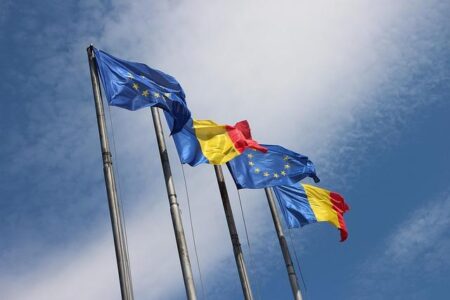
EU leaders have pledged a massive €90 billion loan package to strengthen Ukraine amid the ongoing conflict, but they remain at an impasse over how to seize and use frozen Russian assets, reports the BBC. The negotiations are charged with mounting tension as leaders struggle to find common ground

The EU has launched a groundbreaking €90 billion loan package to strengthen Ukraine, stepping up after efforts to fund aid through frozen Russian assets hit a dead end, the Financial Times reports. This bold initiative marks a significant milestone in the EU’s unwavering dedication to standing by Ukraine throughout the conflict

Belgium has rejected the EU’s proposal to use frozen Russian assets to fund aid for Ukraine, citing significant legal and ethical concerns. This move introduces fresh complications in the effort to support Kyiv amid the ongoing conflict

Kyiv’s deepening cash crunch highlights the urgent need to unlock frozen Russian assets. As these funds remain inaccessible, Ukraine faces mounting financial strain while battling ongoing conflict and striving to rebuild its future
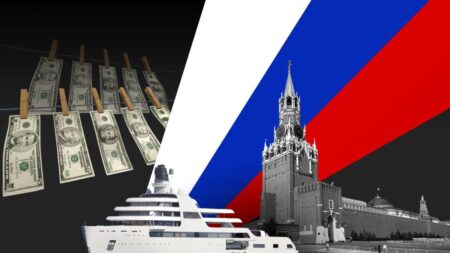
The UK, France, and Germany have united to unlock frozen Russian assets, sparking new momentum to power Ukraine’s reconstruction. This bold collaboration signals a significant breakthrough in global support as the conflict rages on, The Kyiv Independent reports
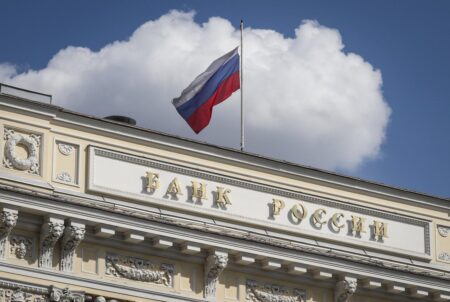
In a striking declaration, Germany’s Friedrich Merz unveiled ambitious plans to potentially seize frozen Russian assets, depending on legal viability. This bold move underscores Germany’s unwavering dedication to tackling the financial fallout from Russia’s actions
Seizing Russian assets, while appealing in theory as a response to international aggression, presents significant legal and logistical challenges. This complexity involves navigating international law, diplomatic repercussions, and potential retaliation, complicating enforcement efforts.