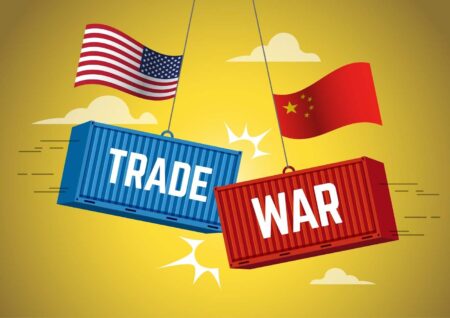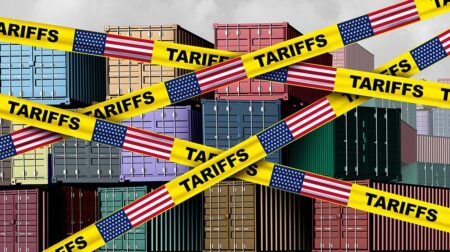
Amid rising trade tensions, India faces a crucial moment to champion equity by establishing strong safeguards for its most vulnerable sectors. As Trump’s trade war transforms the landscape of global markets, it becomes imperative to craft targeted policies that create fair opportunities for everyone.
Browsing: tariffs
The recent Trump tariffs deal presents a mixed bag for Australian businesses, creating hurdles for sectors such as agriculture and manufacturing. Yet, amidst these challenges, some companies are seizing the moment, seeing it as an ‘enormous’ opportunity to broaden their markets and drive innovation.
Argentina has taken a bold step by lifting tariffs on electric vehicles (EVs), paving the way for a dynamic and competitive environment for local manufacturers. With an influx of budget-friendly Chinese imports, this decision could revolutionize the nation’s automotive landscape, pushing homegrown brands to rise to the challenge and spark innovation like never before.
UK equities are on the rise, fueled by a remarkable surge in bank stocks thanks to encouraging earnings reports. Investors are keenly watching the unfolding tariff discussions, carefully assessing their potential effects on trade and market stability. Across various sectors, stocks are showcasing a sense of cautious optimism as global tensions continue to simmer.
In a bold and transformative policy shift, Argentina has officially scrapped export duties on thousands of manufactured goods! This exciting move is set to enhance the country’s competitiveness in global markets, breathing new life into the economy and providing a much-needed boost for local manufacturers.
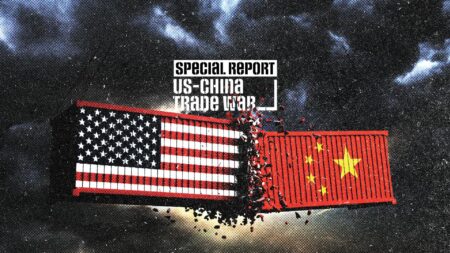
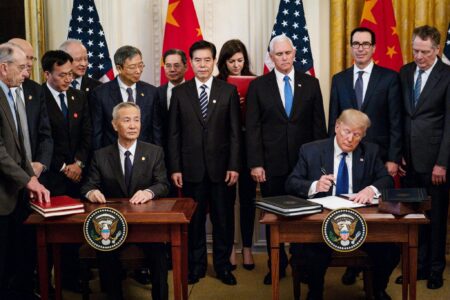
China’s trade war narrative has taken a dramatic turn, placing former President Trump in the spotlight. This shift not only scrutinizes his economic policies but also raises critical questions about his approach to international relations. As tensions continue to rise, political analysts are buzzing with speculation about how this could impact the upcoming 2024 election
As shipments from China dwindle, the effects of Trump’s tariffs are still echoing throughout the U.S. economy. Experts caution that ongoing trade tensions may stifle growth, posing challenges for both businesses and consumers as inflation worries mount.
In a bold recent statement, former President Donald Trump pointed the finger at his successor, President Joe Biden, for the current economic slowdown. He passionately defended the tariffs he put in place during his administration, arguing that these measures were crafted to empower American workers in the face of persistent economic hurdles.
In a captivating recent article, The Atlantic delves into the potential repercussions of Trump’s policies, suggesting we might be on the brink of a new “China shock.” This phenomenon echoes the economic upheavals experienced in the early 2000s. Experts are sounding the alarm, indicating that these shifting trade dynamics could profoundly affect American industries and job markets.
Amid the rising trade tensions sparked by Trump-era tariffs, Mark Carney passionately champions a united G7 strategy to combat protectionist measures. His urgent plea for collective action highlights the critical importance of safeguarding free trade and ensuring global economic stability.
Delta Air Lines is soaring to new heights by unveiling an exciting new route for its Airbus A350 to Japan, cleverly sidestepping the Trump-era tariffs. This bold move not only underscores the airline’s strategic growth but also demonstrates its ability to navigate trade challenges with finesse, showcasing remarkable resilience in a fiercely competitive market.
German markets surged dramatically as President Trump unveiled a temporary reprieve from auto tariffs, alleviating investor worries and turning around earlier losses from April. This strategic decision sent automotive sector shares soaring, igniting a wave of renewed optimism about the industry’s future.
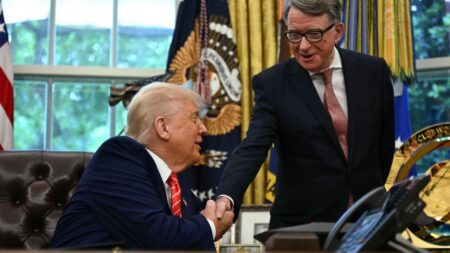
In a recent statement, President Trump expressed optimism about the ongoing tariff negotiations with India, declaring them as “going great” and highlighting significant strides in trade relations. At the same time, he took decisive action by signing an executive order designed to invigorate the auto industry, addressing growing concerns from manufacturers.
Japan’s Komatsu is bracing for a significant 27% drop in profits this year, a setback they attribute to the rising strength of the yen and persistent tariffs. As global market dynamics evolve, this heavy machinery giant finds itself navigating an increasingly challenging landscape.
China’s factory activity is facing a downturn as escalating tariffs create a challenging trade environment. This contraction highlights rising worries about dwindling demand and soaring costs, all while international trade tensions cast a shadow over the manufacturing sector
In a remarkable electoral resurgence, Canada’s Liberal Party has triumphed, riding the wave of public unease over U.S. President Trump’s annexation threats and tariffs. Analysts believe this shift signals a strong yearning for stable governance and a dynamic foreign policy that prioritizes Canada’s interests.
China has skillfully navigated the challenges posed by U.S. tariffs implemented during former President Trump’s administration, ensuring that its economic recovery remains robust. Officials assert that a combination of strong domestic resilience and surging global demand is fueling this growth, even as trade tensions persist and continue to influence the economic landscape
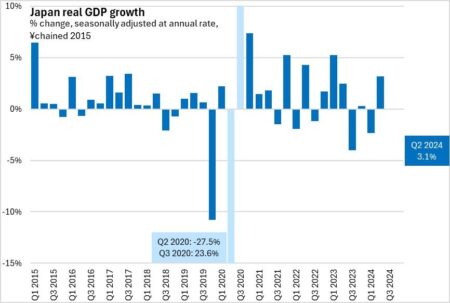
In a recent announcement, the Bank of Japan (BOJ) has chosen to keep its interest rates steady, highlighting the current economic stability. However, officials voiced their worries about looming risks from US tariffs that could pose challenges to Japan’s export-driven economy.
Trump’s trade war with China has thrust Japan into a challenging dilemma, compelling the nation to carefully balance its relationship with its crucial ally, the U.S., and its main trade partner, China. With tariffs on the rise, Japanese businesses are grappling with uncertainty as they strive to preserve their competitive edge in an increasingly volatile market.
As Canada gears up for its crucial election, the spotlight is on a thrilling showdown between Marc Carney and Pierre Poilievre. Both candidates are ready to confront the pressing challenges brought on by Donald Trump’s impending tariffs. Voters stand at a crossroads, faced with an essential choice about who will steer the nation’s economic future.