

Apple, Nvidia, and Microsoft can ‘breathe a huge sigh of relief’ following the recent exemption from tariffs on key products imported from China. This development is expected to stabilize supply chains and boost profitability for these tech giants.
Apple, Nvidia, and Microsoft can ‘breathe a huge sigh of relief’ following the recent exemption from tariffs on key products imported from China. This development is expected to stabilize supply chains and boost profitability for these tech giants.

As tensions escalate in the ongoing trade conflict, experts weigh in on whether China can withstand a prolonged U.S. tariff war. With its vast manufacturing base and strategic economic measures, Beijing may have tools to mitigate the impact.
In a surprising twist amid ongoing trade tensions, experts suggest that Donald Trump’s tariff war with China could lead to lower prices for Australians on Chinese-made goods. With tariffs affecting American imports, Australian consumers might benefit as costs adjust.
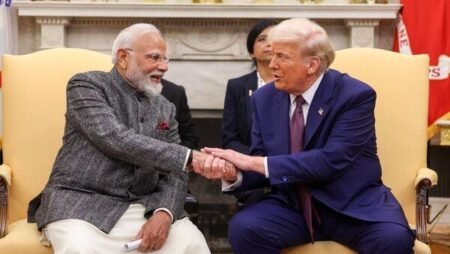
In response to ongoing trade negotiations with the US, Indian Commerce Minister Piyush Goyal emphasized, “We don’t negotiate at gunpoint,” affirming India’s commitment to fair trade practices. The remarks underline India’s stance on maintaining equitable discussions.
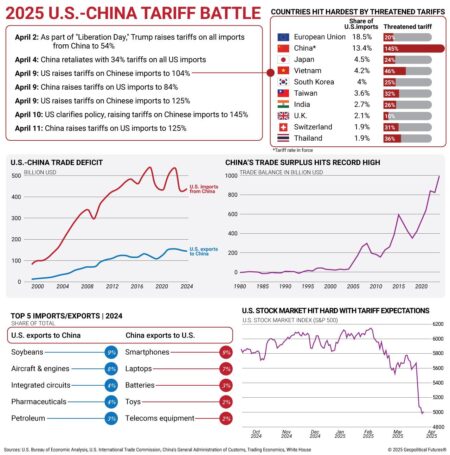
As the US-China tariff battle escalates, analysts are increasingly scrutinizing former President Trump’s endgame. With tariffs impacting trade dynamics and consumer prices, the long-term implications for both economies remain uncertain as negotiations continue to stall.

Japan has urged the United States to eliminate reciprocal tariffs, labeling them as regrettable. This request comes amid ongoing trade discussions aimed at strengthening bilateral economic ties and addressing trade imbalances.
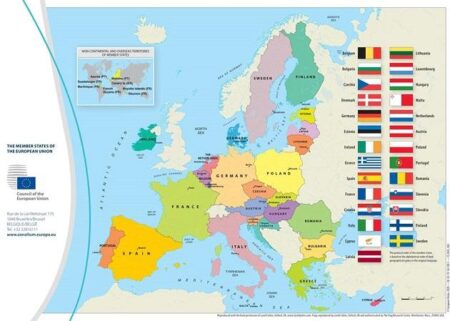
In response to rising global trade tensions, EU countries are implementing protective tariffs to shield domestic industries. This move aims to bolster competitiveness and safeguard jobs, signaling a shift towards more aggressive trade defense strategies.
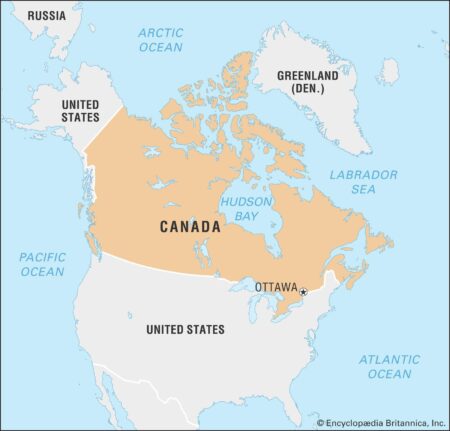
Canada and U.S. markets closed higher Friday, concluding a volatile week marked by fluctuating tariff discussions. Investors responded positively to easing trade tensions, reflecting cautious optimism amid ongoing economic uncertainties.
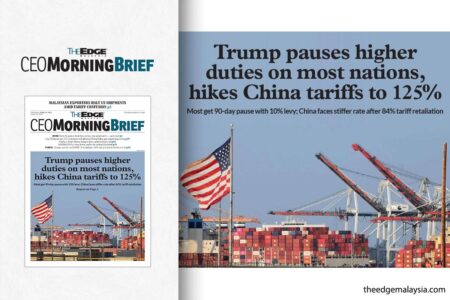
China has retaliated against President Trump’s latest tariff hike by imposing duties of up to 125% on a range of U.S. goods. This escalation in trade tensions signals a deepening rift between the two economic giants, impacting global markets.

Apple has reportedly airlifted over a million iPhones from India to the U.S. to circumvent tariffs. This strategic move highlights the tech giant’s efforts to maintain competitive pricing amid global trade tensions and optimize its supply chain.

In a recent roundtable discussion, Japan’s Sovereign Socially Responsible Allocators (SSAs) expressed concerns over rising geopolitical tensions and fluctuating tariffs. Experts highlighted the need for strategic adaptations to navigate this volatile landscape and safeguard investments.

As the US-China tariff war escalates, iPhones, Shein apparel, and toys emerge as top-traded items facing potential price hikes. Analysts warn that increased tariffs could burden consumers, reshaping spending habits and impacting the retail landscape.

Canada-made automobiles are set to experience significant price increases in the U.S. market, attributed to recently imposed tariffs. Analysts warn that these higher costs could impact sales and competitiveness, raising concerns for Canadian manufacturers.

In response to rising tensions over trade, Deputy Prime Minister Richard Marles has affirmed that Australia will not collaborate with China to counter former President Donald Trump’s tariffs. Marles emphasized Australia’s commitment to maintaining its own trade policies.
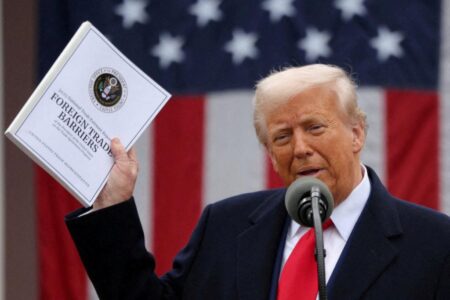
In a significant escalation of trade tensions, China has announced retaliatory tariffs on U.S. goods, raising duties to 125%. This move comes amid a declining dollar, signaling increased economic friction between the two nations. Continue following for live updates.
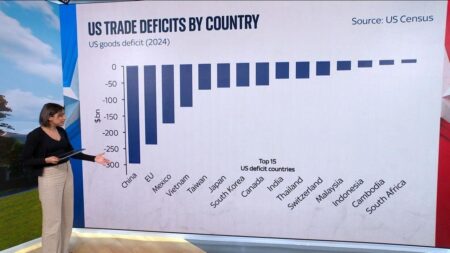
Trump’s proposed 20% tariff on European imports looms large over Italian wine exports, threatening to disrupt a key market. As U.S. consumers face higher prices, industry experts warn of potential long-term impacts on producers and the overall economy.
In a bid to circumvent Trump-era tariffs, Apple orchestrated the shipment of over 1 million iPhones from India using six cargo planes. The move included a coordinated six-hour “green corridor� to streamline logistics and expedite delivery.

Spain’s Prime Minister embarked on a diplomatic mission to China, aiming to bolster economic ties with the nation recently targeted by former President Trump’s tariffs. This visit underscores Spain’s strategic efforts to enhance trade relations in a shifting global landscape.

Mexico and Brazil have announced plans to enhance trade relations amid ongoing tariff disputes initiated during the Trump administration. Both nations aim to bolster economic cooperation, fostering growth and stability in the region.
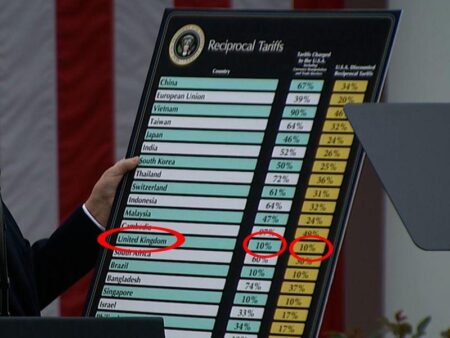
The Biden administration announced that tariffs on Chinese imports have reached a staggering 145%, a significant escalation in trade tensions between the two nations. This move aims to address ongoing concerns over China’s trade practices and economic policies.