
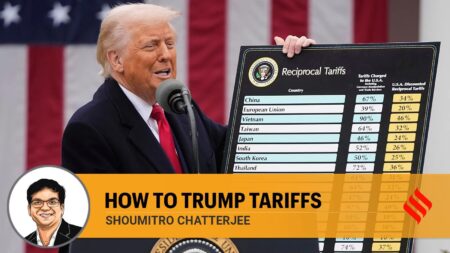
In a surprising move, President Trump announced a temporary pause on escalating tariffs, allowing for a 90-day window for negotiations. However, he simultaneously raised China’s levy to an unprecedented 125%, intensifying ongoing trade tensions.
In a surprising move, President Trump announced a temporary pause on escalating tariffs, allowing for a 90-day window for negotiations. However, he simultaneously raised China’s levy to an unprecedented 125%, intensifying ongoing trade tensions.
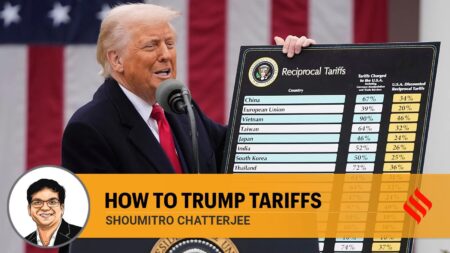
German chancellor-designate Friedrich Merz emphasized the advantages of EU unity in response to shifting Trump tariffs. He highlighted that a coordinated stance among member states can better protect their economies against external pressures.
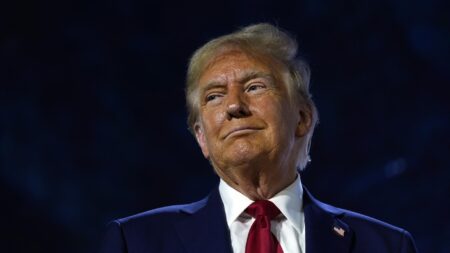
In a striking turn of events, Trump’s latest policies have intensified tensions between the U.S. and China, driving both nations closer to a potential economic decoupling. Analysts warn that this rift could reshape global trade dynamics for years to come.

Japanese stocks are poised for a significant rise following former President Trump’s decision to pause higher tariffs. Investors are optimistic, anticipating a boost in trade relations and economic stability, as markets react positively to this unexpected development.

Italy’s Prime Minister Giorgia Meloni is scheduled to visit the United States next week to discuss ongoing tariff negotiations. This high-stakes meeting aims to address trade tensions and strengthen economic ties between the two nations.
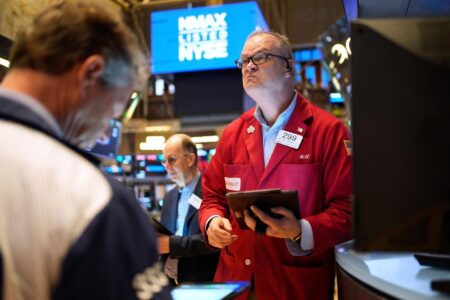
In a striking revelation, Donald Trump’s trade chief made a four-word admission that could explain Australia’s recent trade challenges. This unexpected statement raises questions about underlying motives behind Australia’s position in ongoing negotiations.

Japan’s former Defense Minister Shigeru Ishiba is advocating for a comprehensive agreement with the U.S. to address tariff issues. As tensions rise over trade policies, Ishiba emphasizes the need for collaboration to secure mutual economic interests.
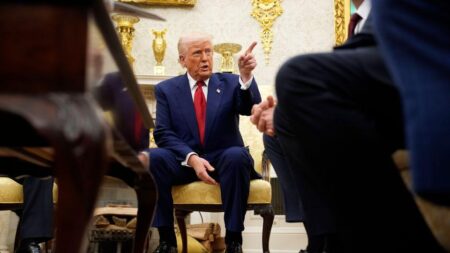
In a bold economic maneuver, President Trump has initiated sweeping tariffs against China, igniting a trade conflict with implications that could reverberate throughout the global market. Analysts warn this battle may stretch U.S. resources thin, challenging American competitiveness.

Japan has positioned itself at the forefront of tariff negotiations with the U.S., seeking to bolster trade ties amid shifting global dynamics. The move underscores Tokyo’s proactive approach in addressing economic challenges and enhancing bilateral relations.
Starting April 9, Canada will implement counter-tariffs on U.S.-made vehicles. This move targets a range of automobiles and auto parts, potentially raising prices for consumers and impacting trade relations between the two nations.
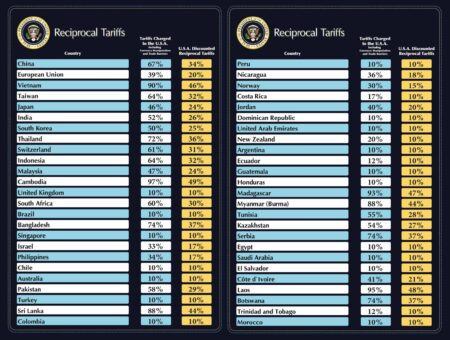
Australia is bracing for economic fallout as the U.S. imposes a 10% tariff on its exports, igniting widespread anger among local industries. Trade officials warn the move could strain bilateral relations and escalate tensions in global markets.
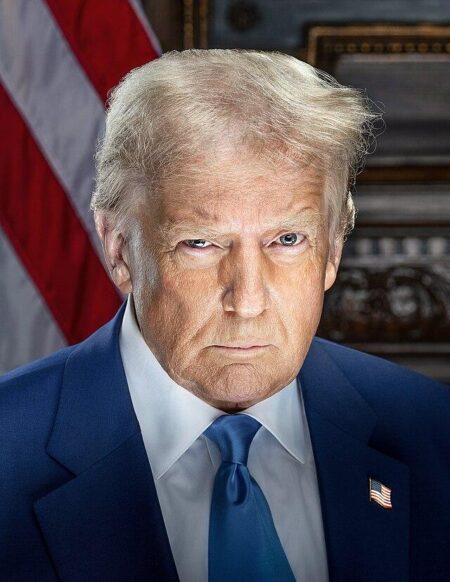
In the wake of escalating trade tensions, former President Trump must remember the core issues that drove his election: American voters prioritize economic stability and affordable prices. A trade war could jeopardize those gains, alienating the very supporters he needs.
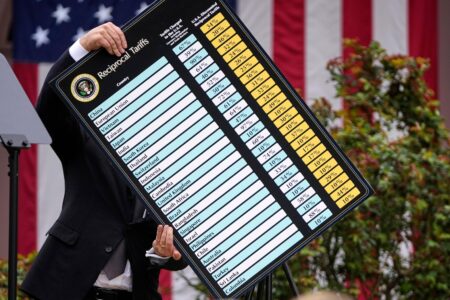
In a bold move, former President Donald Trump has threatened to impose an additional 50% tariff on Chinese imports, potentially driving total tariffs beyond the 100% mark. This escalation raises concerns about the impact on U.S.-China trade relations and global markets.
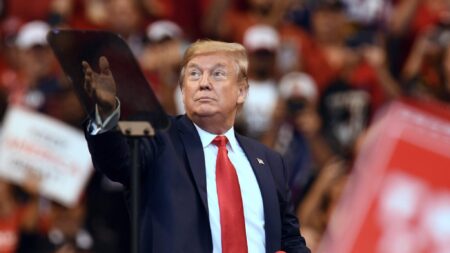
As Trump-era tariffs pose a challenge, Argentina is intensifying efforts to secure a trade deal in Washington. Officials aim to bolster economic ties and mitigate potential impacts of U.S. tariffs on Argentine exports, highlighting the urgency of negotiations.

Canada has launched a series of billboards across Florida to combat the impact of tariffs imposed by former President Trump. The campaign aims to highlight the benefits of trade between Canada and the U.S., promoting a message of cooperation and economic partnership.
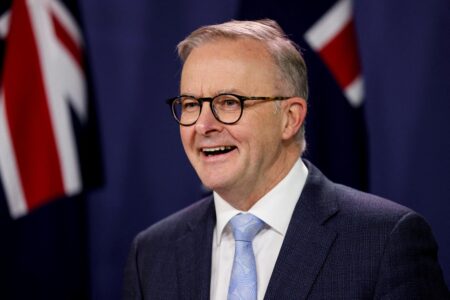
Australia’s Prime Minister has seen a notable increase in approval ratings, fueled by public reaction to recent tariffs imposed by former President Trump. Analysts suggest the economic implications are swaying voters in favor of the PM’s policies.
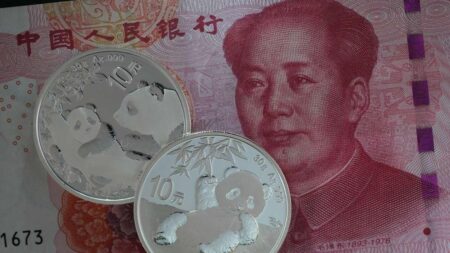
The yuan has emerged as a critical strategic barometer for China in the wake of tariff escalations. Analysts suggest that its fluctuations reflect broader economic resilience and shifting trade dynamics, influencing both domestic markets and global perceptions.
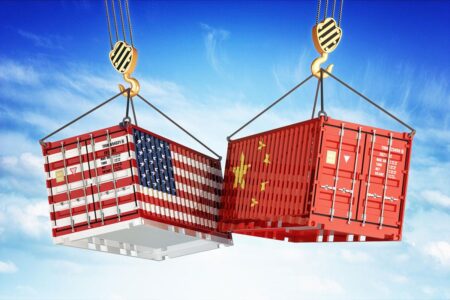
China has announced a 34% tariff on various U.S. imports in response to recent trade policies, escalating tensions between the two economic powerhouses. Analysts warn this move could further strain bilateral relations and impact global markets.
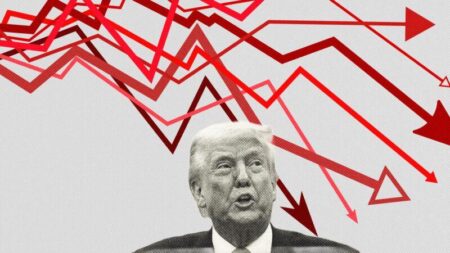
Trade tensions escalate as China’s retaliation to U.S. tariffs intensifies, prompting fears of a global economic slowdown. Markets react negatively, reflecting uncertainty and revealing the potential for prolonged trade disruption between the two powers.
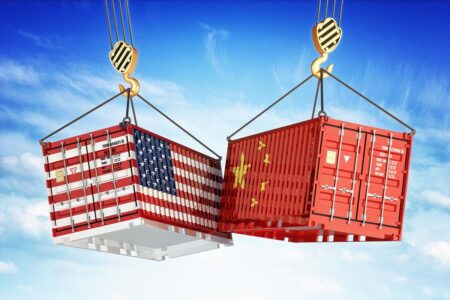
China has imposed a 34% tariff on select U.S. imports in response to escalating trade tensions. Analysts debate whether this move is a strategic escalation or a bid to de-escalate relations. The impact on global markets and diplomatic ties remains uncertain.