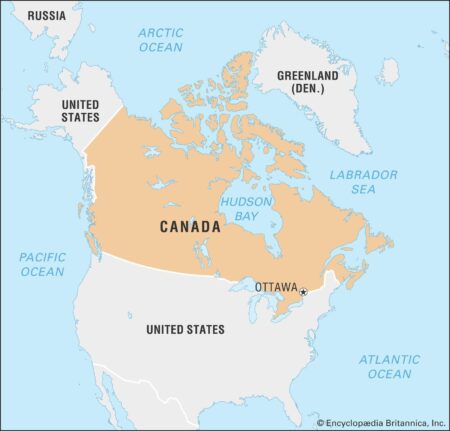
As tariff negotiations persist, Canada is positioning itself as a formidable economic player, emphasizing resilience and strategic planning. Officials signal a commitment to long-term trade stability, hinting at a wait-and-see approach in resolving disputes.

Browsing: trade agreements
In a recent statement, Canada’s new Prime Minister Mark Carney reaffirmed the nation’s sovereignty amidst escalating trade tensions with the U.S., declaring, “Canada will never be part of the US.” His remarks underscore a commitment to maintaining Canadian independence in negotiations.
Canada has launched a dispute complaint against the United States at the World Trade Organization over tariffs on steel and aluminum. The move underscores ongoing tensions between the two nations regarding trade policies and their economic impacts.
Germany’s Chancellor Olaf Scholz has welcomed the European Union’s response to newly imposed U.S. tariffs, viewing it as a unified stance that strengthens transatlantic relations. He emphasized the importance of solidarity among EU member states in addressing trade challenges.
Canada and the European Union have announced retaliatory tariffs in response to recent U.S. trade policies, further escalating tensions in the ongoing trade war initiated by the Trump administration. The new tariffs target key industries, highlighting global trade frictions.
Senators Jerry Moran and Chris Coons have introduced new legislation aimed at strengthening trade negotiations with the United Kingdom. The initiative seeks to enhance economic ties and support U.S. exporters, fostering a more robust transatlantic partnership.
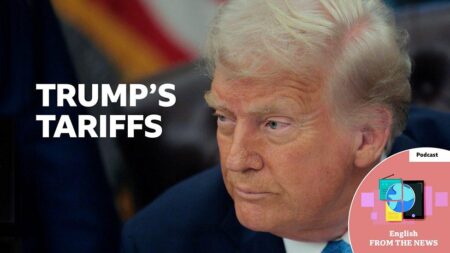
Despite President Trump’s decision to postpone tariffs on various imports from Canada for a month, Canada will maintain its own tariffs on U.S. goods. This development highlights ongoing trade tensions between the two nations as negotiations continue.
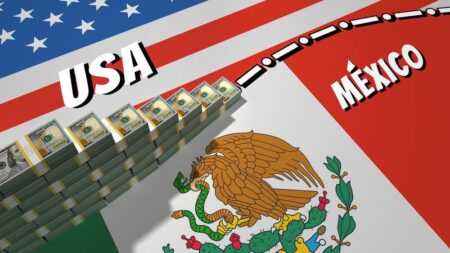
The U.S. has enacted new tariffs on imports from Canada and Mexico, alongside increased tariffs on Chinese goods. This move, outlined by the law firm Clark Hill, aims to address trade imbalances and bolster domestic industries amid ongoing economic tensions.
In response to escalating tensions in Trump’s trade war, Mexico, Canada, and China swiftly implemented new tariffs on U.S. goods. This retaliatory measure underscores the growing economic strain and uncertainty surrounding international trade relations.
In a significant shift, key industry leaders express willingness to accept tariff reductions in negotiations with the US. This move is seen as a bid to enhance trade relations and stimulate economic growth, amid ongoing discussions to resolve trade tensions.
As U.S. tariffs on various imports take effect, Mexico, Canada, and China respond with retaliatory measures, targeting American goods. This escalation raises concerns over escalating trade tensions and potential impacts on the global economy.
In response to President Trump’s tariffs, Canada and China have announced retaliatory measures, raising concerns of an escalating trade war. Both nations aim to protect their economies as tensions heighten in global trade relations.
Javier Milei’s recent visit to Washington underscores his commitment to promoting freer trade between the U.S. and Argentina. Such a shift could enhance economic ties, boost exports, and foster investment, potentially benefiting both nations’ economies.
UK Finance Minister has emphasized the necessity of “give and take” in ongoing negotiations to prevent the imposition of tariffs by the US. This statement reflects concerns over potential trade barriers that could impact UK businesses amid turbulent economic conditions.
In a significant shift in trade policy, President Trump’s tariffs on imports from Canada, Mexico, and China have taken effect, aiming to protect American industries. Critics argue these measures could disrupt supply chains and raise consumer prices.
Starting Tuesday, Trump’s tariffs on imports from Canada and Mexico will take effect, affecting a range of goods. Consumers could see rising prices on products such as steel, aluminum, and certain food items as costs increase along the supply chain.
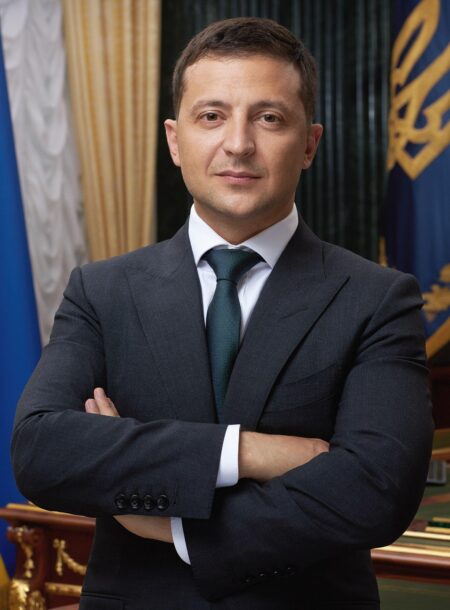
Ukrainian President Volodymyr Zelensky announced that Ukraine is prepared to sign a key minerals deal with the United States. This agreement aims to bolster cooperation in resource extraction and enhance energy security amid ongoing geopolitical tensions.
In a bid to strengthen trade negotiations, U.S. Trade Representative Katherine Bessent urged Canada and Mexico to adopt tariffs similar to those imposed on China. This move aims to create a unified front against unfair trade practices and boost North American economic stability.
Mexico is considering the implementation of new tariffs on Chinese goods as a strategic move to mitigate potential threats from former President Trump. This response highlights Mexico’s shifting trade dynamics and the ongoing tensions between global economic powers.
US Treasury Secretary Janet Yellen has urged Canada and Mexico to align their tariffs on Chinese imports, highlighting the need for a unified approach to trade policies within North America. This move aims to strengthen regional economic strategies.