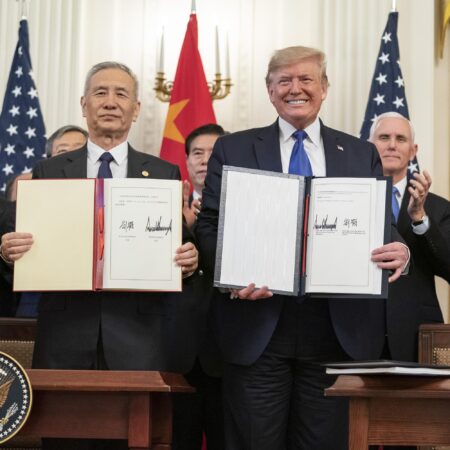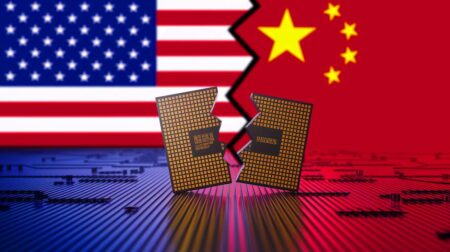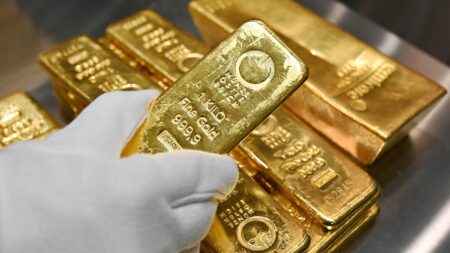
Gold prices took a notable plunge of 3% as the U.S. and China struck a landmark tariff agreement, effectively easing trade tensions between these two economic powerhouses. This pivotal deal ignited a wave of investor optimism, redirecting attention away from safe-haven assets such as gold.
Browsing: trade negotiations
A recent trade agreement, hailed by the Trump administration, has come under fire as yet another “con on American workers.” Critics argue that this deal overlooks crucial labor rights and environmental protections, sparking serious doubts about its actual advantages for the economy.
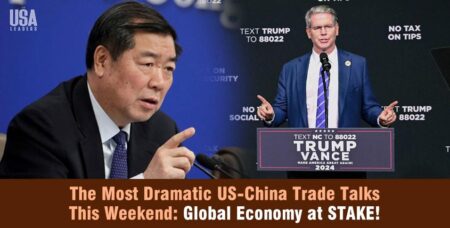
This Saturday in Geneva, the US and China are gearing up for pivotal trade talks that promise to thaw years of economic tension between the two powerhouse nations. With optimism in the air, both sides are eager to explore ways to rejuvenate their trade relationship and tackle those pesky tariffs head-on.
Japan is currently at a crossroads in its tariff negotiations with the U.S., while the U.K. forges ahead with exciting new trade deals. As Tokyo navigates through mounting economic challenges, this pause in discussions could jeopardize Japan’s competitive advantage on the world stage.
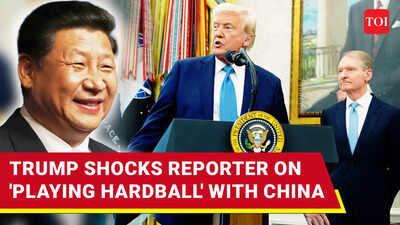
The Trump administration is actively advocating for lower tariffs and concessions on rare earth minerals in its ongoing trade talks with China. These strategic moves are designed to not only stabilize the economy but also tackle pressing supply chain issues that are impacting U.S. industries.
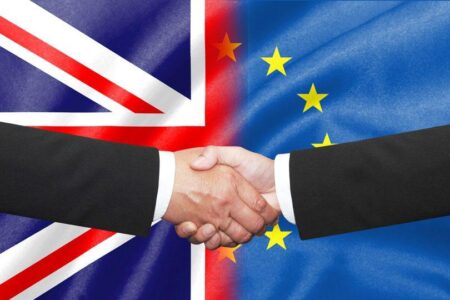
Former President Donald Trump is gearing up to unveil a groundbreaking trade agreement with the UK, heralding a potential transformation in transatlantic relations. This ambitious deal seeks to strengthen economic connections and could redefine trade dynamics in the wake of Brexit. Stay tuned for more exciting details!
In a bold statement, former President Donald Trump declared that the U.S. doesn’t need a formal trade deal to thrive. He pointed to the successful partnerships between the UK and India as shining examples of how effective trade relations can flourish even without direct U.S. involvement
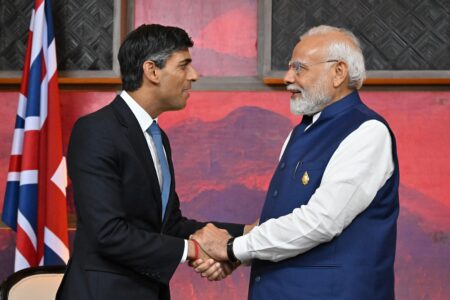
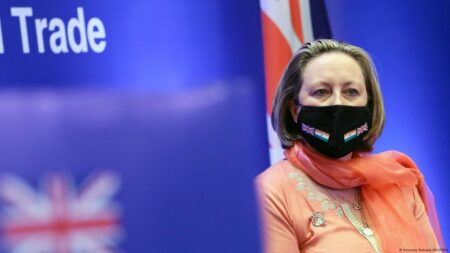
The UK and India have just sealed a landmark trade deal, designed to fortify their economic partnership in the face of rising U.S.-led tariff tensions. This exciting agreement is set to enhance trade relations and unlock fresh market opportunities for both countries.
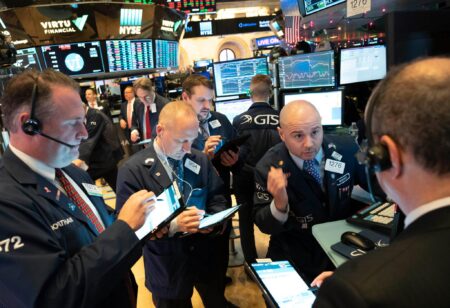
Wall Street stocks surged as strong economic data ignited investor enthusiasm, sparking optimism for a revival in U.S.-China trade discussions. Analysts highlighted that this upbeat sentiment could drive market momentum in the weeks ahead, even as global uncertainties linger.
In a recent statement, President Trump expressed optimism about the ongoing tariff negotiations with India, declaring them as “going great” and highlighting significant strides in trade relations. At the same time, he took decisive action by signing an executive order designed to invigorate the auto industry, addressing growing concerns from manufacturers.
China is reportedly considering a bold step: exempting select U.S. products from tariffs. This strategic move could pave the way for a significant reduction in trade tensions between the two nations. As negotiations continue, this potential adjustment shines a glimmer of hope for stabilizing economic relations and fostering collaboration
As pivotal trade discussions with the U.S. loom, UK Treasury chief James Reeves has taken a moment to address the concerns voiced by former President Trump about the state of the global economy. Reeves underscored that working together is essential to tackle our shared economic hurdles.
In an exciting development, U.S. Treasury Secretary Scott Bessent revealed that India is poised to become the first nation to ink a landmark trade agreement with the United States. This groundbreaking deal promises to strengthen economic connections and elevate collaboration between these two dynamic countries.
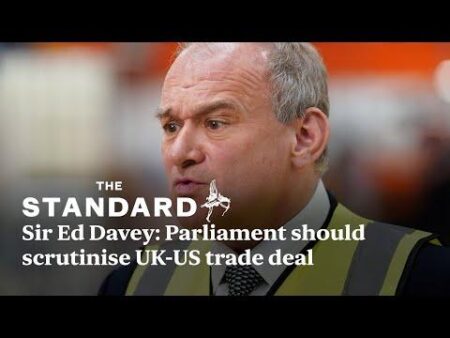
The UK is actively exploring the possibility of slashing tariffs in a bid to clinch a post-Brexit trade deal with the Trump administration. This strategic maneuver highlights London’s determination to build fresh economic connections as global trade dynamics continue to evolve.
In light of President Trump’s attempts to smooth over trade tensions, a wave of skepticism has swept across China. Analysts and officials alike are voicing their doubts, casting a critical eye on the sincerity of these gestures. With tariffs still in place and economic frictions simmering, many are left wondering if this olive branch is genuine or just another political maneuver.
In a stunning turn of events, former President Trump hinted at the possibility of significantly slashing tariffs on China, signaling a potential departure from his previously tough approach. This unexpected statement opens up intriguing discussions about the future of trade relations and economic policy
Treasury Secretary Bessent issued a stark warning about the ongoing trade war with China, declaring it “not sustainable.” She stressed the urgent need for a collaborative approach to tackle tariff disputes. Her comments resonate amid rising worries about economic stability and the state of international relations.
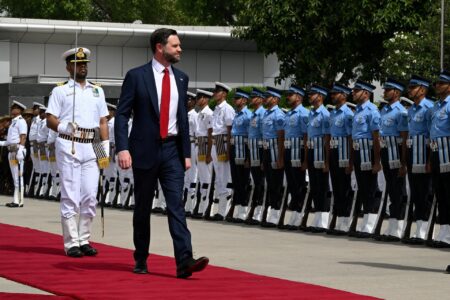
In a dynamic strategic meeting in New Delhi, U.S. Senator J.D. Vance and Indian Prime Minister Narendra Modi came together to discuss the final touches on a groundbreaking trade deal. Both leaders highlighted the importance of collaboration to navigate potential U.S. tariffs on Indian goods, showcasing their commitment to strengthening economic ties.
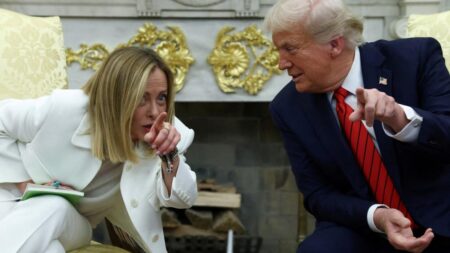
In a significant meeting at the White House, former President Donald Trump and Italian Prime Minister Giorgia Meloni came together to tackle the pressing issues surrounding trade agreements amidst growing tariff uncertainties. Both leaders passionately underscored the importance of collaboration, aiming to strengthen the economic bonds that unite the U.S. and Italy.
In a recent statement, Senator JD Vance expressed optimism about the prospects of a UK-U.S. trade deal, highlighting the robust connections and common goals that unite the two nations. He pointed out that former President Trump holds a deep-seated fondness for Britain, a sentiment that could significantly enhance the negotiation process