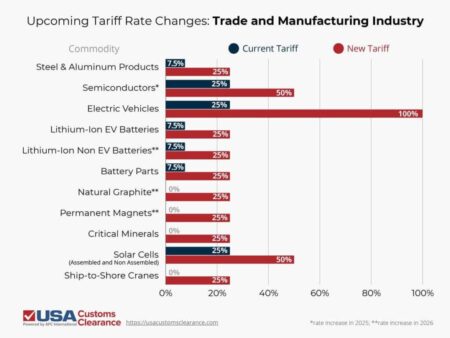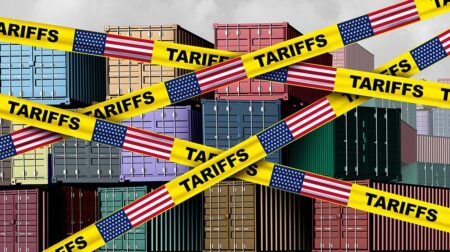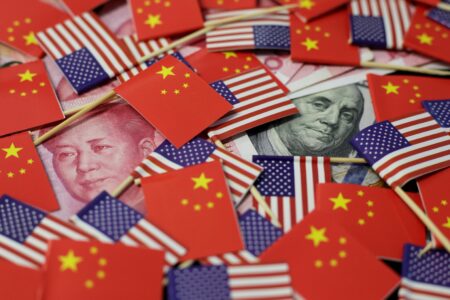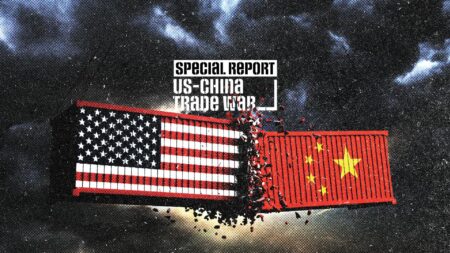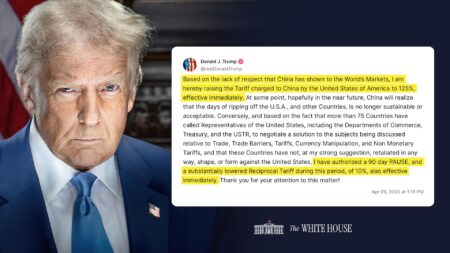
The Trump administration is actively advocating for lower tariffs and concessions on rare earth minerals in its ongoing trade talks with China. These strategic moves are designed to not only stabilize the economy but also tackle pressing supply chain issues that are impacting U.S. industries.
Browsing: trade policy
The United States and the United Kingdom have forged a groundbreaking trade deal that promises to strengthen their economic partnership and simplify logistics between the two nations. This exciting agreement is set to boost trade efficiency and ignite growth in vital sectors, paving the way for a prosperous future together.
Former President Donald Trump is gearing up to unveil a groundbreaking trade agreement with the UK, heralding a potential transformation in transatlantic relations. This ambitious deal seeks to strengthen economic connections and could redefine trade dynamics in the wake of Brexit. Stay tuned for more exciting details!
In a recent statement, Bessent emphatically clarified that the U.S. has not entered into any trade discussions with China, directly challenging former President Trump’s assertions. This revelation sparks fresh concerns about the future of U.S.-China trade relations as tensions continue to simmer
Kentucky’s bourbon industry is navigating a turbulent landscape as rising trade tensions between the U.S. and Canada cast a shadow over export markets. With potential tariff hikes on the horizon, local distilleries are bracing for challenges that could shake their sales and disrupt the thriving cross-border trade they depend on.
As trade tensions reach a boiling point, Trump’s trade war with Canada is sending shockwaves through the U.S. economy, sparking unexpected repercussions. With the stakes higher than ever, anticipation builds for the upcoming meeting between Trump and former Bank of England Governor Mark Carney.
China’s financial officials are gearing up for a pivotal briefing in light of the intensifying tariff threats from the U.S. With trade tensions on the rise, these officials are determined to tackle market anxieties head-on and unveil strategies designed to bolster economic stability in these uncertain times
China’s bold move to redirect exports originally destined for the U.S. aims to strengthen its domestic market, but analysts caution that this strategy could lead to deeper deflation. With demand dwindling, the risk of a prolonged economic slowdown looms larger, sparking worries about both internal stability and the ripple effects on global trade
Chinese exporters are cleverly navigating around tariffs imposed by the Trump administration by routing their goods through third countries, a savvy tactic known as “product washing.” This innovative strategy not only helps them cut costs but also keeps them competitive in the bustling U.S. market
Amid rising trade tensions, India faces a crucial moment to champion equity by establishing strong safeguards for its most vulnerable sectors. As Trump’s trade war transforms the landscape of global markets, it becomes imperative to craft targeted policies that create fair opportunities for everyone.
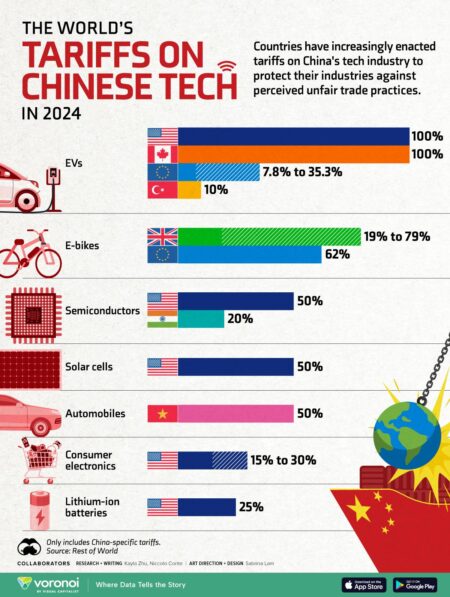
Argentina has taken a bold step by lifting tariffs on electric vehicles (EVs), paving the way for a dynamic and competitive environment for local manufacturers. With an influx of budget-friendly Chinese imports, this decision could revolutionize the nation’s automotive landscape, pushing homegrown brands to rise to the challenge and spark innovation like never before.
In a bold and transformative policy shift, Argentina has officially scrapped export duties on thousands of manufactured goods! This exciting move is set to enhance the country’s competitiveness in global markets, breathing new life into the economy and providing a much-needed boost for local manufacturers.
China’s trade war narrative has taken a dramatic turn, placing former President Trump in the spotlight. This shift not only scrutinizes his economic policies but also raises critical questions about his approach to international relations. As tensions continue to rise, political analysts are buzzing with speculation about how this could impact the upcoming 2024 election
As shipments from China dwindle, the effects of Trump’s tariffs are still echoing throughout the U.S. economy. Experts caution that ongoing trade tensions may stifle growth, posing challenges for both businesses and consumers as inflation worries mount.
In a captivating recent article, The Atlantic delves into the potential repercussions of Trump’s policies, suggesting we might be on the brink of a new “China shock.” This phenomenon echoes the economic upheavals experienced in the early 2000s. Experts are sounding the alarm, indicating that these shifting trade dynamics could profoundly affect American industries and job markets.
Amid the rising trade tensions sparked by Trump-era tariffs, Mark Carney passionately champions a united G7 strategy to combat protectionist measures. His urgent plea for collective action highlights the critical importance of safeguarding free trade and ensuring global economic stability.
German markets surged dramatically as President Trump unveiled a temporary reprieve from auto tariffs, alleviating investor worries and turning around earlier losses from April. This strategic decision sent automotive sector shares soaring, igniting a wave of renewed optimism about the industry’s future.
China’s factory activity is facing a downturn as escalating tariffs create a challenging trade environment. This contraction highlights rising worries about dwindling demand and soaring costs, all while international trade tensions cast a shadow over the manufacturing sector
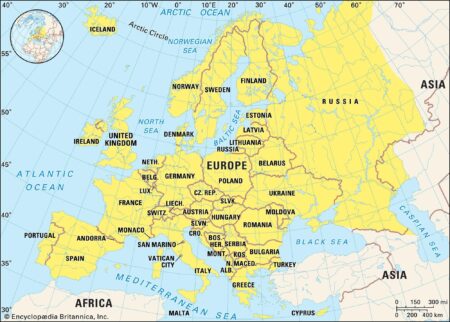
In a powerful counter to U.S. protectionist measures, the UK and EU have unveiled a dynamic joint declaration championing “free and open trade.” This bold initiative highlights their unwavering dedication to multilateral economic collaboration, aiming to fortify relationships in the face of global uncertainties.
In a remarkable electoral resurgence, Canada’s Liberal Party has triumphed, riding the wave of public unease over U.S. President Trump’s annexation threats and tariffs. Analysts believe this shift signals a strong yearning for stable governance and a dynamic foreign policy that prioritizes Canada’s interests.