In response to rising tensions over trade, Deputy Prime Minister Richard Marles has affirmed that Australia will not collaborate with China to counter former President Donald Trump’s tariffs. Marles emphasized Australia’s commitment to maintaining its own trade policies.
Browsing: trade policy
Trump’s proposed 20% tariff on European imports looms large over Italian wine exports, threatening to disrupt a key market. As U.S. consumers face higher prices, industry experts warn of potential long-term impacts on producers and the overall economy.
In response to ongoing trade tensions, China has increased fees for U.S. tourists, with some costs rising by as much as 104%. The move follows former President Trump’s tariff policies, reflecting the deepening economic rift between the two nations.
The Biden administration announced that tariffs on Chinese imports have reached a staggering 145%, a significant escalation in trade tensions between the two nations. This move aims to address ongoing concerns over China’s trade practices and economic policies.
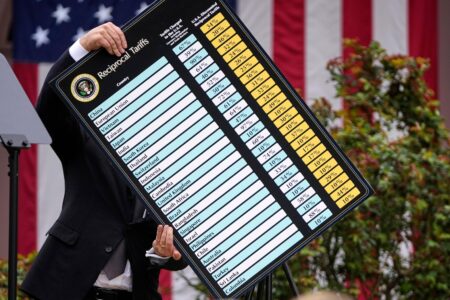
In a surprising move, President Trump announced a temporary pause on escalating tariffs, allowing for a 90-day window for negotiations. However, he simultaneously raised China’s levy to an unprecedented 125%, intensifying ongoing trade tensions.
In a significant development, Bessent has been appointed to spearhead trade negotiations with Japan, as reported by the Wall Street Journal. This move aims to strengthen economic ties and address key trade issues between the two nations.
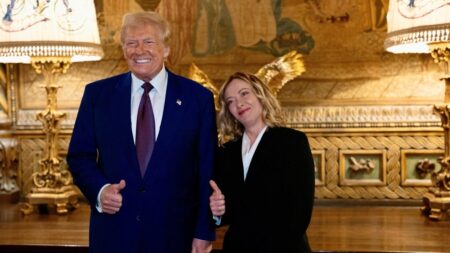
Italy’s Prime Minister Giorgia Meloni has vowed to aid businesses affected by tariffs imposed during the Trump administration. She emphasized the need for solidarity among European nations to counter the financial strain and foster economic resilience.
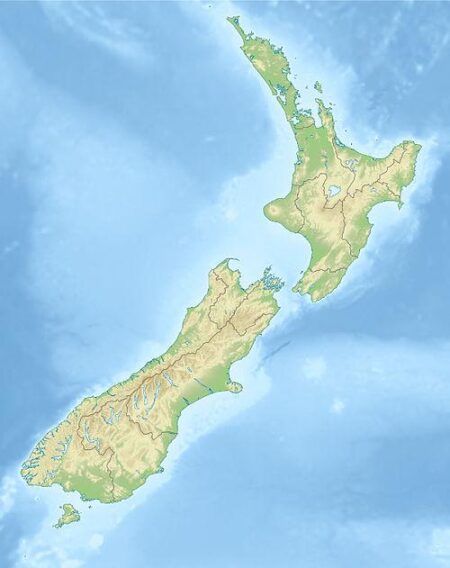
New Zealand and Australia are actively engaging with international partners to strengthen free trade agreements, emphasizing the need for collaborative economic policies. This initiative aims to bolster regional stability and foster economic growth across nations.
Japanese stocks are poised for a significant rise following former President Trump’s decision to pause higher tariffs. Investors are optimistic, anticipating a boost in trade relations and economic stability, as markets react positively to this unexpected development.
In a recent escalation of trade tensions, Trump’s proposed tariffs on Chinese goods are set to significantly impact ‘Main Street’ U.S. businesses that rely on Amazon. Experts warn that increased costs could crush small retailers struggling to compete.
Blackfeet tribal members have initiated a lawsuit against the federal government, challenging recent tariffs imposed on goods entering Canada. The legal action underscores ongoing tensions over trade policies and their impact on Indigenous economies in Montana.
Starting April 9, Canada will implement counter-tariffs on U.S.-made vehicles. This move targets a range of automobiles and auto parts, potentially raising prices for consumers and impacting trade relations between the two nations.
In the wake of escalating trade tensions, former President Trump must remember the core issues that drove his election: American voters prioritize economic stability and affordable prices. A trade war could jeopardize those gains, alienating the very supporters he needs.
Brazil could emerge as a significant beneficiary of the U.S. tariffs on imports, economists suggest. As American companies seek alternative suppliers, Brazilian exports in agriculture and manufacturing may see a substantial boost.
In a bold move, former President Donald Trump has threatened to impose an additional 50% tariff on Chinese imports, potentially driving total tariffs beyond the 100% mark. This escalation raises concerns about the impact on U.S.-China trade relations and global markets.
As Trump-era tariffs pose a challenge, Argentina is intensifying efforts to secure a trade deal in Washington. Officials aim to bolster economic ties and mitigate potential impacts of U.S. tariffs on Argentine exports, highlighting the urgency of negotiations.
Italy’s Prime Minister Giorgia Meloni is strategically addressing the U.S. tariff challenge, aiming to protect domestic industries while fostering bilateral trade relations. Her administration seeks a balanced approach to mitigate economic impacts and strengthen ties with Washington.
Canada has launched a series of billboards across Florida to combat the impact of tariffs imposed by former President Trump. The campaign aims to highlight the benefits of trade between Canada and the U.S., promoting a message of cooperation and economic partnership.
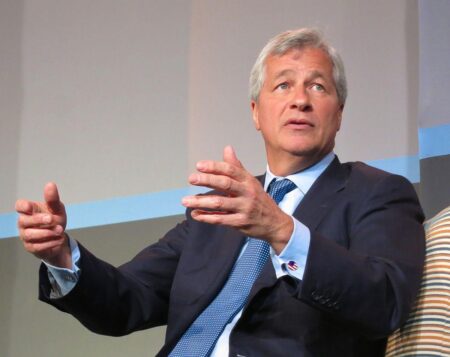
In a stark warning about the economic landscape, finance leaders Jamie Dimon, Larry Fink, and Bill Ackman have expressed concerns over the impact of President Trump’s tariffs. They caution that these trade policies could hinder growth and destabilize markets.
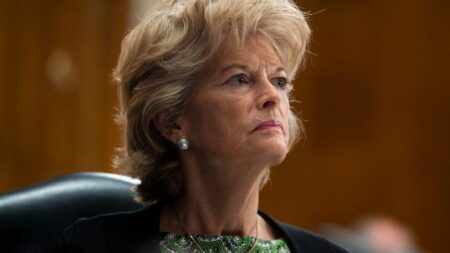
In a significant split among Alaska’s congressional delegation, Senator Lisa Murkowski voted to oppose tariffs on Canadian goods, arguing they harm local economies. Meanwhile, Senator Dan Sullivan supported the tariffs, emphasizing national trade interests.