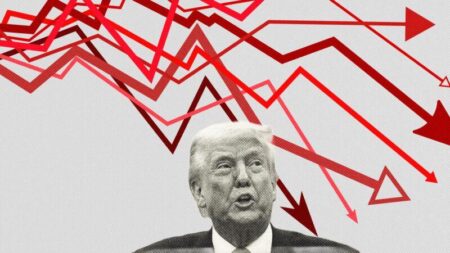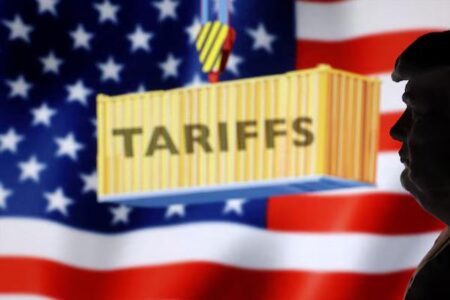
Despite the recent decline in the Australian dollar and stock market, experts warn that the United States stands to lose the most from Trump’s escalating tariff war. Analysts emphasize that unintended consequences may hit American consumers and producers hardest.
Browsing: trade policy
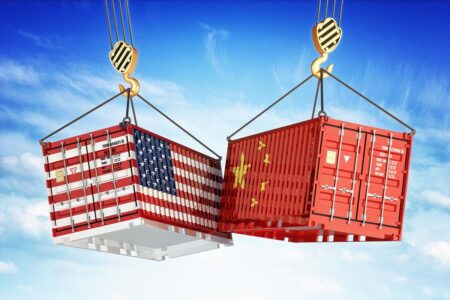
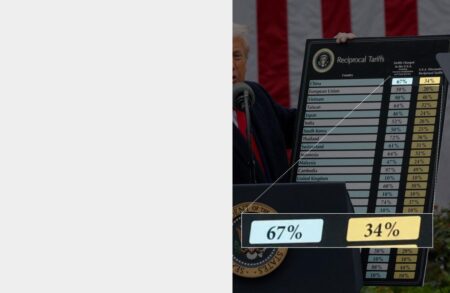
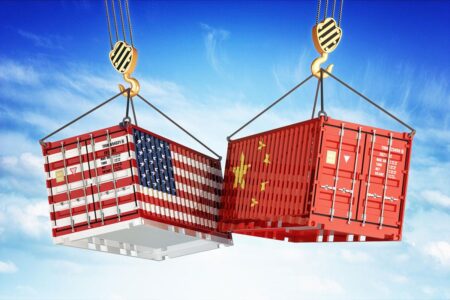
China has announced a 34% tariff on various U.S. imports in response to recent trade policies, escalating tensions between the two economic powerhouses. Analysts warn this move could further strain bilateral relations and impact global markets.
Trade tensions escalate as China’s retaliation to U.S. tariffs intensifies, prompting fears of a global economic slowdown. Markets react negatively, reflecting uncertainty and revealing the potential for prolonged trade disruption between the two powers.
China has imposed a 34% tariff on select U.S. imports in response to escalating trade tensions. Analysts debate whether this move is a strategic escalation or a bid to de-escalate relations. The impact on global markets and diplomatic ties remains uncertain.
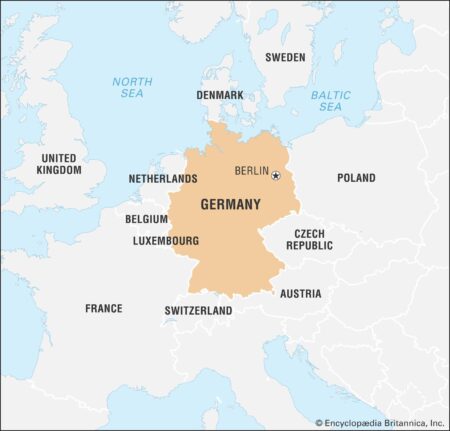
The Trump-era tariffs have disrupted Germany’s economic strategy towards China, particularly under the leadership of Friedrich Merz. As trade tensions escalate, Germany faces challenging decisions to adapt its export policies and maintain competitiveness.
India has imposed new tariffs affecting several sectors, prompting concerns among trade partners. While some nations face repercussions, others brace for retaliatory measures, creating a complex landscape in international trade relations. Stakeholders are watching closely.
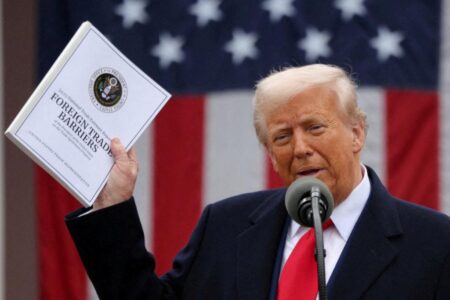
In response to plummeting stock markets and escalating trade tensions, former President Donald Trump asserted that his tariff policies “WILL NEVER CHANGE.” This statement comes amid increased scrutiny from China, which is adjusting its strategies in light of U.S. tariffs.
In a recent announcement, former President Donald Trump renewed threats of tariffs on Indian pharmaceutical imports, marking a sudden shift that has negatively impacted Indian pharma stocks. Investors reacted swiftly, reversing the brief respite enjoyed by the sector.
Germany and France are advocating for a stronger tariff response to protect their industries from global market fluctuations. Their push reflects growing concerns over international trade practices, aiming to bolster domestic economies amid rising competition.
Former President Trump’s proposed 24% tariff on Japanese imports could significantly affect camera and lens prices in the U.S. Market analysts warn that this policy may lead to increased costs for consumers, disrupting the photography industry supply chain.
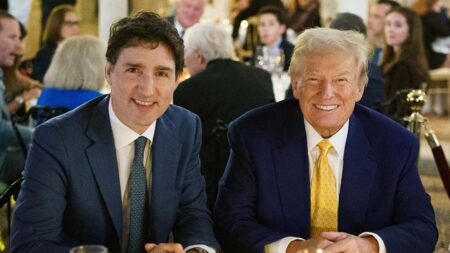
In the wake of President Trump’s new tariffs, trade dynamics with China and Canada face significant shifts. Analysts predict potential retaliatory measures, which could disrupt supply chains and escalate tensions, impacting economies across multiple sectors.
President Trump’s recent tariffs have surpassed initial expectations, prompting significant economic implications. Key takeaways include heightened consumer prices, strained international relations, potential job losses in key sectors, and unpredictable market reactions.
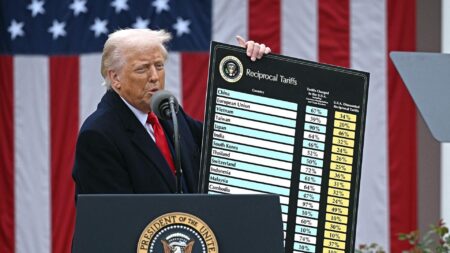
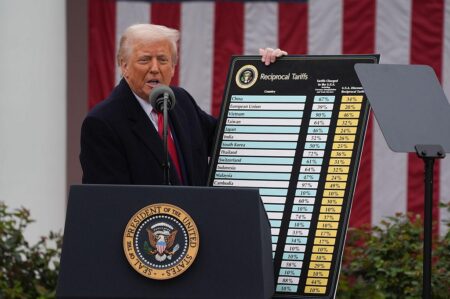
In a significant trade move, President Trump has announced plans to impose a 24% tariff on imports from Japan, with a minimum 10% tariff affecting all countries. This decision aims to address trade imbalances and protect domestic industries, raising concerns among global trade partners.
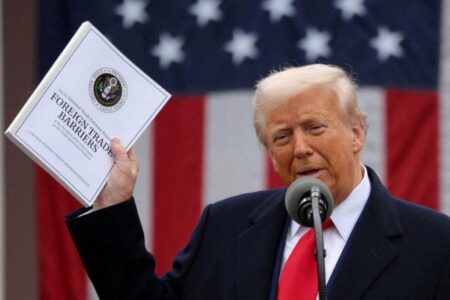
The United States Trade Representative’s reciprocal tariff calculations play a crucial role in shaping international trade relations. By assessing tariffs imposed by trading partners, the U.S. aims to foster fair competition and protect domestic industries.
France has identified digital services as a key target in the EU’s tariff response to U.S. trade policies. This move reflects rising tensions over tax structures and digital market regulations, signaling a strategic shift in Europe’s trade negotiations.
The upcoming joint World Cup bid from the US, Canada, and Mexico faces challenges amid rising tensions. Tariffs and threats of designating one country as the “51st state” are straining cooperation, casting a shadow over what was once a symbol of unity.
Leaders from Canada and Mexico convened to strategize their response to recent trade actions by the U.S. The discussions focused on strengthening economic ties and formulating a united front to address ongoing trade disputes and tariffs.
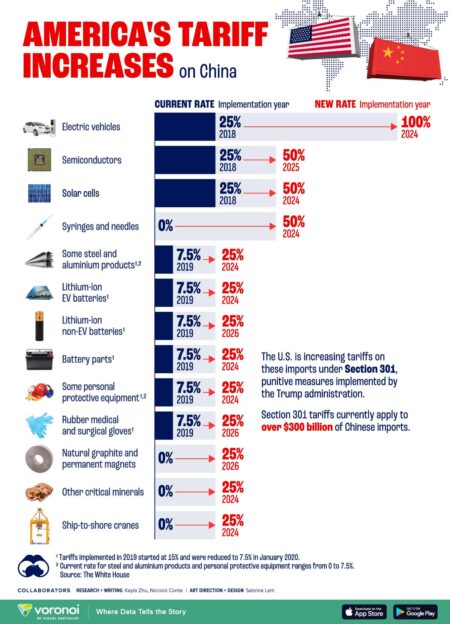
In a sweeping move, former President Trump’s new trade order imposes tariffs of at least 54 percent on Chinese imports. This escalation in trade tensions could significantly impact U.S.-China relations and global markets. Stakeholders are bracing for potential economic repercussions.
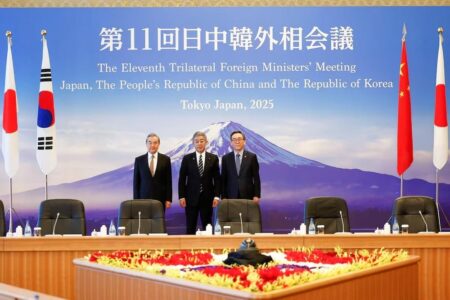
China, Japan, and South Korea are set to enhance free trade cooperation amid regional tensions. Leaders from the three nations aim to reduce tariffs and streamline trade regulations, fostering economic growth and stability in East Asia.
In a strategic move, China, South Korea, and Japan have agreed to enhance their trade relations amid ongoing U.S. tariffs imposed during the Trump administration. This collaboration aims to bolster economic stability and counteract the impacts of protectionist policies.