India and New Zealand are set to resume Free Trade Agreement (FTA) negotiations after a decade-long hiatus, aiming to enhance economic ties and strengthen bilateral trade relations. The talks signal a renewed commitment to boosting collaboration between the two nations.

Browsing: trade policy
As tariff negotiations persist, Canada is positioning itself as a formidable economic player, emphasizing resilience and strategic planning. Officials signal a commitment to long-term trade stability, hinting at a wait-and-see approach in resolving disputes.
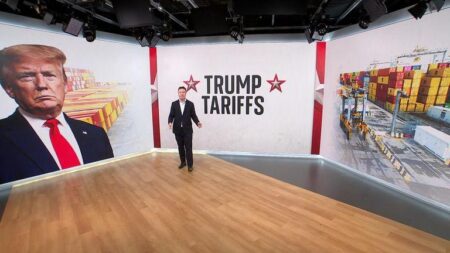
As the U.S. contemplates the continuation of Trump-era tariffs, analysts warn of potential repercussions on its economy, raising concerns over a possible recession. India, heavily reliant on exports, may face ripple effects, prompting urgent evaluations of its trade strategies.
Germany may face a recession due to potential U.S. tariffs, warns Bundesbank chief. The trade barriers could impact the country’s export-driven economy, raising concerns over growth prospects and prompting calls for policy adjustments.
Germany’s Chancellor Olaf Scholz has welcomed the European Union’s response to newly imposed U.S. tariffs, viewing it as a unified stance that strengthens transatlantic relations. He emphasized the importance of solidarity among EU member states in addressing trade challenges.
Canada and the European Union have announced retaliatory tariffs in response to recent U.S. trade policies, further escalating tensions in the ongoing trade war initiated by the Trump administration. The new tariffs target key industries, highlighting global trade frictions.
In a significant shift, President Trump has reversed his threat to impose new tariffs on Canada following Ontario’s decision to rescind controversial electricity charges. This move aims to enhance trade relations and ease tensions between the two nations.

In a surprising policy shift, President Trump announced he will not proceed with plans to double tariffs on certain imports from Canada. This reversal comes amid ongoing trade negotiations, signaling a potential thaw in U.S.-Canada relations.
In response to recent U.S. tariffs, Canada has announced $29.8 billion in counter-tariffs targeting key American goods. This escalation in trade tensions underscores ongoing disputes and aims to protect Canadian industries amidst rising economic pressures.
Australia has decided against implementing reciprocal tariffs on the US following President Trump’s announcement of steel tariffs. This response highlights Australia’s commitment to maintaining trade relations, despite the potential economic impact.
As Trump tariffs reshape global trade dynamics, India stands poised to excel in Asia. With a burgeoning domestic market, a strong manufacturing base, and strategic alliances, India is uniquely positioned to leverage these tensions for economic growth and opportunity.
The recent tariff rebuff highlights ongoing tensions in Australia’s handling of relations with the Trump administration. This pivotal moment fuels debates on the government’s trade strategies and diplomatic approach as the international landscape shifts.
In a recent statement, the U.S. criticized Japan’s staggering 700% tariff on rice imports, suggesting potential repercussions. This move highlights ongoing trade tensions between the two nations and raises questions about agricultural policy negotiations.
In a surprising move, President Trump announced an increase in tariffs on Canadian imports, sending shockwaves through global markets. Analysts warn that escalating trade tensions could impact economic stability and consumer prices on both sides of the border.
In a surprising shift, former President Trump announced the reinstatement of 25% tariffs on Canadian metals, reversing previous statements. This move raises concerns about trade relations and could impact various industries reliant on Canadian imports.
In a recent statement, former President Trump suggested that tariffs on Mexico and Canada could potentially increase, indirectly acknowledging the economic uncertainties ahead. He refrained from dismissing the possibility of a recession, raising concerns among analysts.
In a significant move, President Trump announced the postponement of tariffs on goods imported under the US-Mexico-Canada trade agreement. This decision aims to ease trade tensions and foster better economic relations among the North American partners.
In a recent statement, former President Donald Trump indicated he is “strongly considering” imposing large-scale sanctions and tariffs on Russia. This potential shift in policy aims to address ongoing tensions and Russia’s actions on the global stage.
In a striking shift, former President Trump has threatened new tariffs on Canadian lumber and dairy just one day after lifting duties on imports from Canada and Mexico. This move raises questions about trade relations and economic policy in North America.
Despite President Trump’s decision to postpone tariffs on various imports from Canada for a month, Canada will maintain its own tariffs on U.S. goods. This development highlights ongoing trade tensions between the two nations as negotiations continue.