
The Bank of Canada has decided to maintain its key interest rate at 2.75%, citing concerns that escalating trade tensions could lead to a potential recession. The decision reflects ongoing economic uncertainty amid global trade disputes.
Browsing: trade war
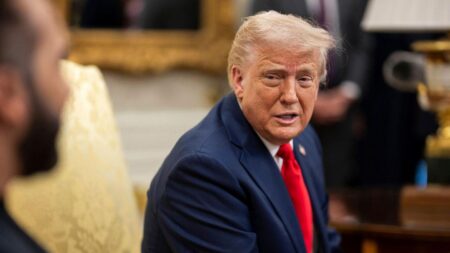
In a bold move to ease rising trade tensions, President Trump has called on China to unveil a fresh tariff proposal. This initiative emerges as both countries navigate a web of disputes that are shaking up global markets. Experts believe that any progress in this direction could hint at a potential warming of relations.

As tensions escalate in the trade war, China is strategically recalibrating its economic policies in response to increased pressure from the Trump administration. Beijing is focusing on strengthening domestic markets while seeking new trade partnerships to mitigate potential impacts.
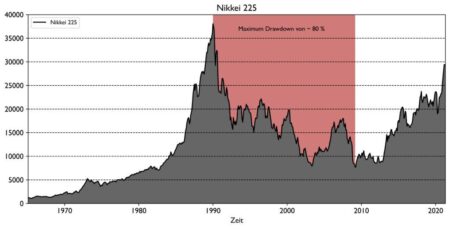
Japan’s Nikkei index fell significantly as escalating trade war concerns and a strengthening yen dampened investor sentiment. Market analysts highlight the negative impact of ongoing U.S.-China tensions on Japanese exports and economic stability.

In a recent CNN feature, Fareed Zakaria delves into the steadfast Chinese mentality during the ongoing trade war, emphasizing a cultural ethos that prioritizes resilience and perseverance. He argues that this mindset shapes China’s approach to negotiations and conflict resolution.
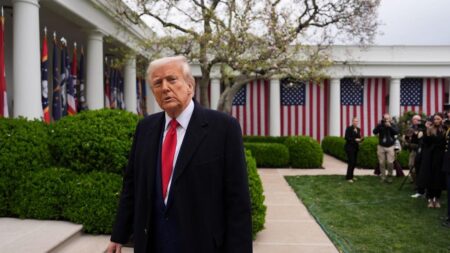
Former President Donald Trump claimed that his tariff policy is “doing really well,” following China’s imposition of a 125% levy on U.S. goods. His comments come amid escalating trade tensions, as both nations grapple with the implications for their economies.

As tensions escalate in the ongoing trade conflict, experts weigh in on whether China can withstand a prolonged U.S. tariff war. With its vast manufacturing base and strategic economic measures, Beijing may have tools to mitigate the impact.

In response to escalating trade tensions, China’s leading retail giants have committed to supporting local exporters in shifting their focus to domestic markets. This initiative aims to bolster the economy and mitigate the impact of ongoing trade disputes.
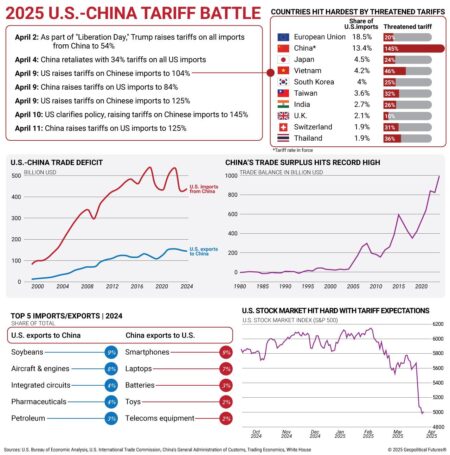
As the US-China tariff battle escalates, analysts are increasingly scrutinizing former President Trump’s endgame. With tariffs impacting trade dynamics and consumer prices, the long-term implications for both economies remain uncertain as negotiations continue to stall.
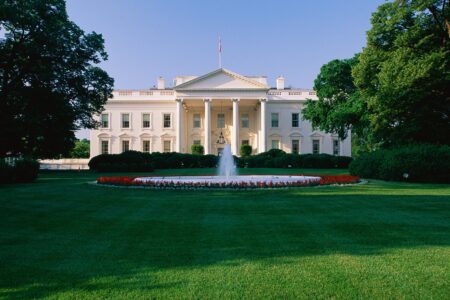
In a bid to mitigate escalating tensions in the ongoing trade war, the White House is reportedly urging Chinese President Xi Jinping to reach out to former President Donald Trump. The call aims to explore potential solutions as tariffs and trade barriers intensify.
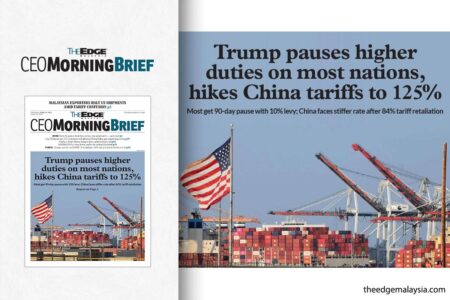
China has retaliated against President Trump’s latest tariff hike by imposing duties of up to 125% on a range of U.S. goods. This escalation in trade tensions signals a deepening rift between the two economic giants, impacting global markets.

As the US-China tariff war escalates, iPhones, Shein apparel, and toys emerge as top-traded items facing potential price hikes. Analysts warn that increased tariffs could burden consumers, reshaping spending habits and impacting the retail landscape.
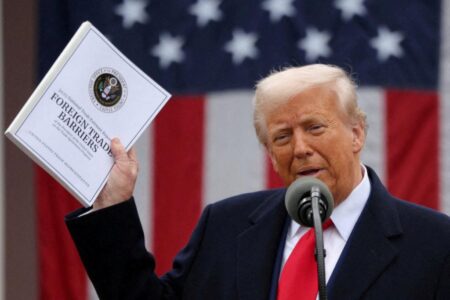
In a significant escalation of trade tensions, China has announced retaliatory tariffs on U.S. goods, raising duties to 125%. This move comes amid a declining dollar, signaling increased economic friction between the two nations. Continue following for live updates.
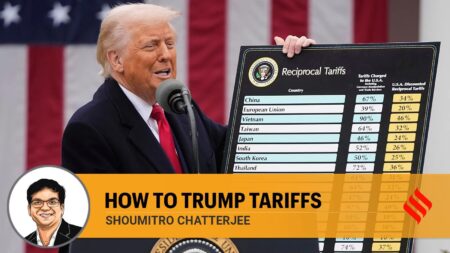
In a surprising move, President Trump announced a temporary pause on escalating tariffs, allowing for a 90-day window for negotiations. However, he simultaneously raised China’s levy to an unprecedented 125%, intensifying ongoing trade tensions.
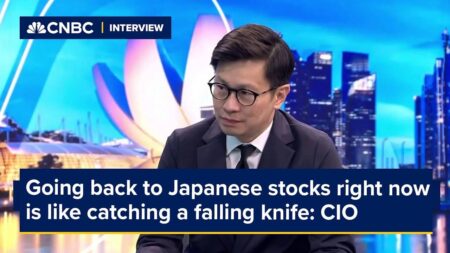
Japanese stocks are poised for a significant rise following former President Trump’s decision to pause higher tariffs. Investors are optimistic, anticipating a boost in trade relations and economic stability, as markets react positively to this unexpected development.
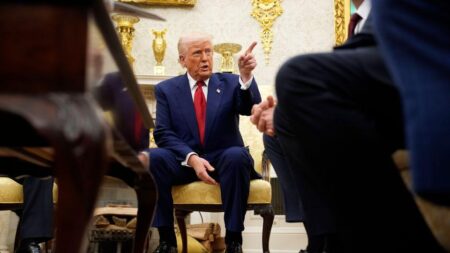
In a bold economic maneuver, President Trump has initiated sweeping tariffs against China, igniting a trade conflict with implications that could reverberate throughout the global market. Analysts warn this battle may stretch U.S. resources thin, challenging American competitiveness.
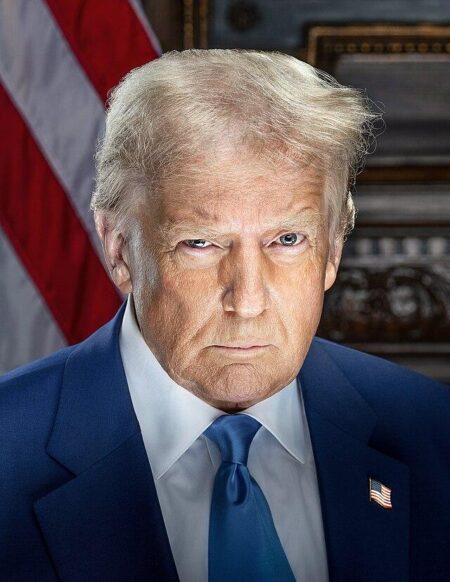
In the wake of escalating trade tensions, former President Trump must remember the core issues that drove his election: American voters prioritize economic stability and affordable prices. A trade war could jeopardize those gains, alienating the very supporters he needs.
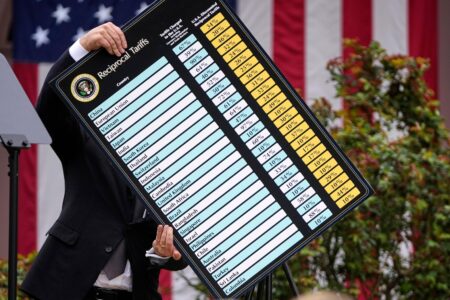
In a bold move, former President Donald Trump has threatened to impose an additional 50% tariff on Chinese imports, potentially driving total tariffs beyond the 100% mark. This escalation raises concerns about the impact on U.S.-China trade relations and global markets.

China and the U.S. are witnessing a surge in petrochemical trade, fostering closer ties amid an evolving global market. However, escalating tensions from the ongoing trade war could jeopardize these developments, casting uncertainty on future cooperation.
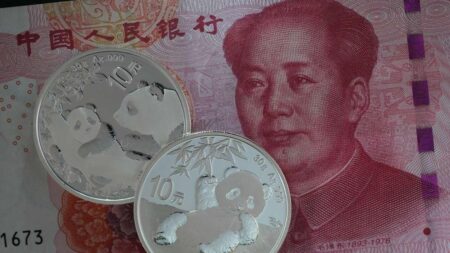
The yuan has emerged as a critical strategic barometer for China in the wake of tariff escalations. Analysts suggest that its fluctuations reflect broader economic resilience and shifting trade dynamics, influencing both domestic markets and global perceptions.