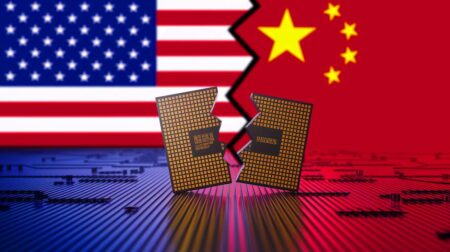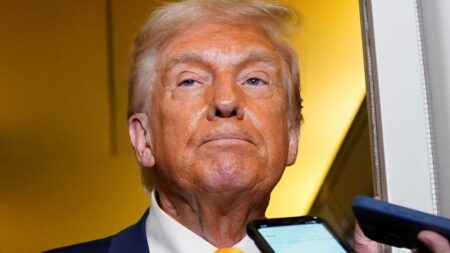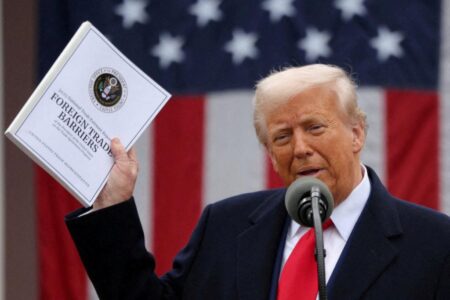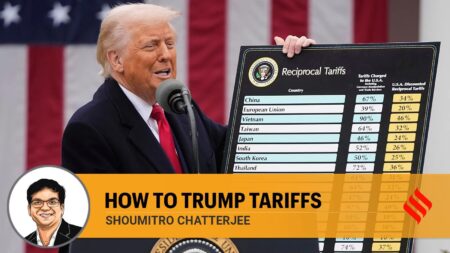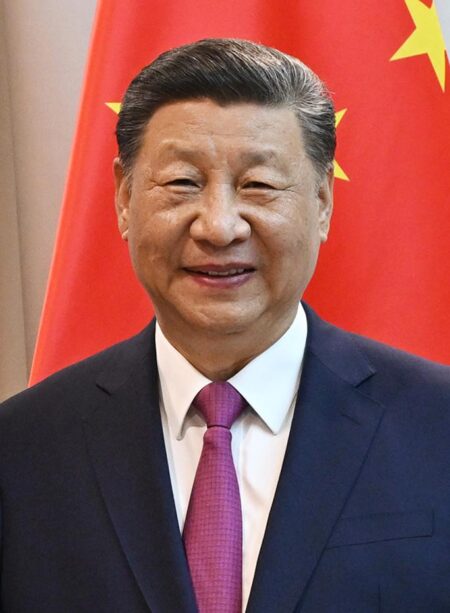
In a surprising move, President Trump announced a temporary pause on escalating tariffs, allowing for a 90-day window for negotiations. However, he simultaneously raised China’s levy to an unprecedented 125%, intensifying ongoing trade tensions.
Browsing: U.S.-China relations
The Trump-era tariffs have disrupted Germany’s economic strategy towards China, particularly under the leadership of Friedrich Merz. As trade tensions escalate, Germany faces challenging decisions to adapt its export policies and maintain competitiveness.
In a sweeping move, former President Trump’s new trade order imposes tariffs of at least 54 percent on Chinese imports. This escalation in trade tensions could significantly impact U.S.-China relations and global markets. Stakeholders are bracing for potential economic repercussions.
In a strategic move ahead of the anticipated unveiling of fresh tariffs by President Trump, Chinese President Xi Jinping has launched a charm offensive, seeking to strengthen diplomatic ties and showcase China’s global leadership.
In response to the lessons learned from the first trade war initiated by Donald Trump, China has adapted its strategies for navigating tariffs. By diversifying markets and enhancing domestic production, Beijing aims to mitigate the economic impact of renewed trade tensions.
China has criticized former President Donald Trump’s rhetoric, accusing him of reverting to a “law of the jungle” approach in international relations. This condemnation underscores rising tensions as both nations grapple with complex diplomatic challenges.
In response to President Trump’s tariffs, Canada and China have announced retaliatory measures, raising concerns of an escalating trade war. Both nations aim to protect their economies as tensions heighten in global trade relations.