
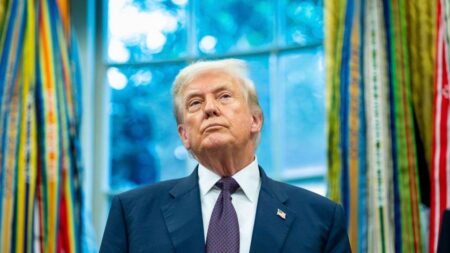
Former President Trump expressed his frustration after believing he had made significant progress in the Russia-Ukraine negotiations, only to see Russian President Putin suddenly retreat, sources told AP News
Former President Trump expressed his frustration after believing he had made significant progress in the Russia-Ukraine negotiations, only to see Russian President Putin suddenly retreat, sources told AP News
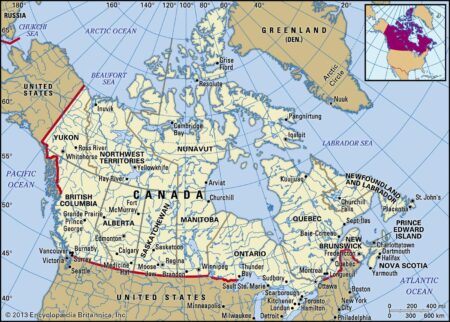
Canada’s Finance Minister Mark Carney met with Ukrainian President Volodymyr Zelenskyy to deliver a powerful message of support, emphasizing unwavering security guarantees and reaffirming Canada’s steadfast commitment to Ukraine’s sovereignty amid the ongoing conflict
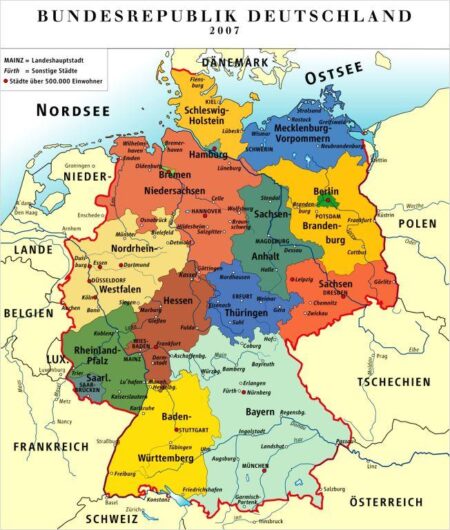
In Germany, officials have revealed that a U.S. citizen stands accused of spying for China. This individual allegedly gathered sensitive intelligence, raising alarm over a significant threat to national security and intensifying concerns about escalating espionage activities

Former President Donald Trump penned a heartfelt letter to Ukrainian President Volodymyr Zelenskyy, passionately expressing his unwavering support with the words “God bless Ukraine” and reigniting his bold call for a meeting with Russian President Vladimir Putin
US Vice President has revealed that Russia has conceded defeat in its bid to install a “puppet regime” in Kyiv, delivering a major blow to Moscow amid the ongoing conflict, Anadolu Ajansı reports
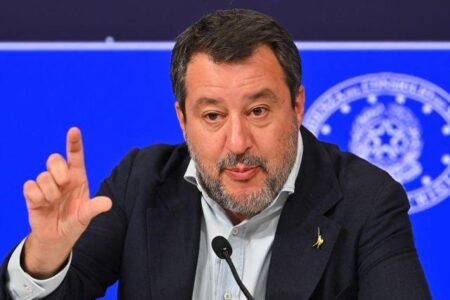
Italian Deputy PM Matteo Salvini fiercely condemned French President Macron’s decision to send troops to Ukraine, igniting a diplomatic firestorm that forced France to summon the Italian ambassador for urgent talks, escalating tensions between the two EU allies
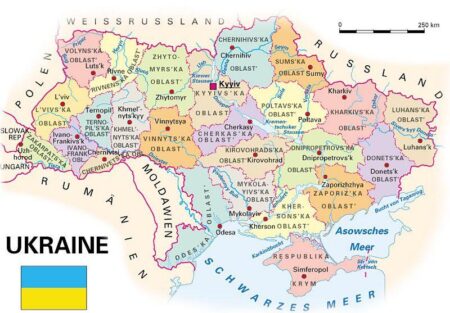
Ukraine’s President Zelenskyy passionately urged the Global South to intensify pressure on Russia and put an end to the relentless conflict. Speaking at a major international forum, he called for united action to restore lasting peace
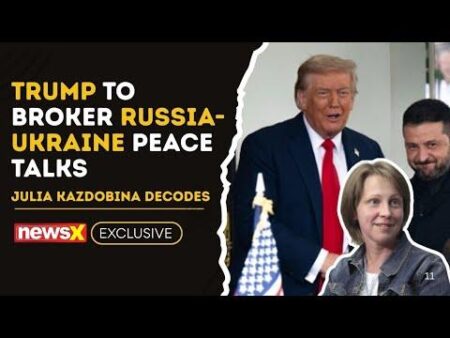
Peace talks between Russia and Ukraine teeter on the edge as diplomatic efforts falter amid the unyielding conflict. Experts warn that real breakthroughs hinge on pivotal political shifts and a powerful wave of renewed international pressure

Canada’s Foreign Minister celebrated the strong U.S.-Canada alliance and passionately reaffirmed steadfast support for Ukraine, calling for enhanced security guarantees as the conflict intensifies, during a recent PBS interview
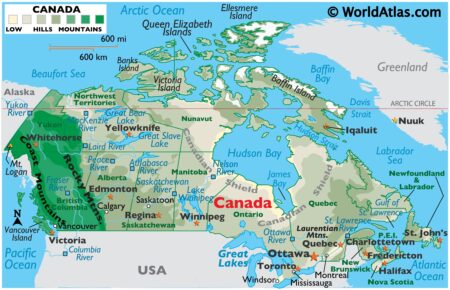
Canada’s role in Ukraine highlights its steadfast dedication to peace, blending impactful diplomatic initiatives and crucial aid with robust backing for defense strategies. The country expertly navigates its contributions, fueling both conflict resolution and security throughout the ongoing crisis
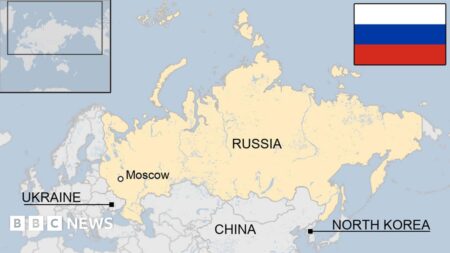
Russia is firmly insisting on a seat at the table for any security guarantees involving Ukraine, emphasizing its pivotal role in steering the negotiations. This assertive position showcases Moscow’s resolve to directly influence the conflict’s resolution, injecting fresh complexity into the diplomatic process

Russian attacks on maternity hospitals in Ukraine are intensifying the country’s birth-rate crisis, with targeted strikes putting maternal healthcare at serious risk and fueling growing fear among expectant mothers, officials warn

A devastating Russian missile strike has completely destroyed a US-owned factory in Ukraine, dramatically intensifying tensions throughout the region. Meanwhile, Poland is swiftly bolstering its air defenses, preparing for the threat of additional attacks
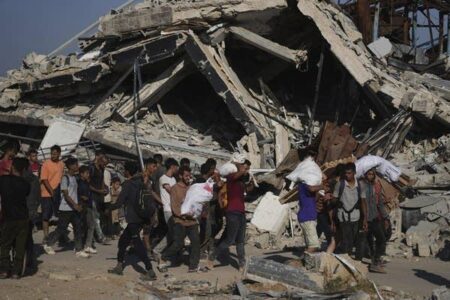
Prospects for a ceasefire in the Russia-Ukraine war remain uncertain as diplomatic efforts face stalled negotiations and ongoing clashes. International calls for dialogue intensify amid rising civilian casualties

Italy has arrested a Ukrainian national suspected of playing a key role in the Nord Stream pipeline attacks, German prosecutors confirmed. This arrest marks a significant breakthrough in the ongoing investigation into the sabotage

Ukrainian children, captured and reportedly “brainwashed” by Russian forces in a sinister war strategy, have courageously revealed their harrowing escape stories. Their compelling testimonies shed light on the disturbing efforts to indoctrinate these young captives amid the ongoing brutal conflict
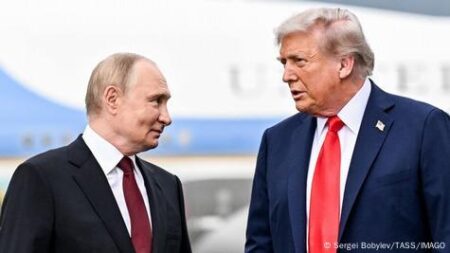
Ukraine’s former foreign minister issues a stark warning: Russian President Vladimir Putin remains relentless, determined to “never give up on trying to destroy” Ukraine, underscoring the ongoing threat despite recent setbacks in the conflict

Japan is stepping into the spotlight with a crucial promise to bolster Ukraine’s security, Prime Minister Fumio Kishida announced. This bold move underscores Tokyo’s growing dedication amid rising tensions in Eastern Europe
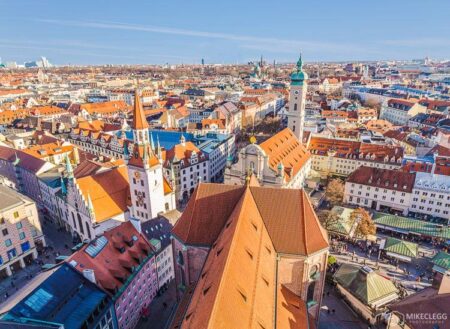
Germany and its allies are making bold moves to secure strong security guarantees for Ukraine, Defense Minister Boris Pistorius announced. This dynamic effort aims to strengthen Ukraine’s defenses amid rising regional tensions

The Donbas region remains a fierce and costly battleground, described by experts in The Hill as a “poisoned chalice” that neither Russia nor Ukraine truly wants-highlighting the deep and complex challenges blocking the path to lasting peace