
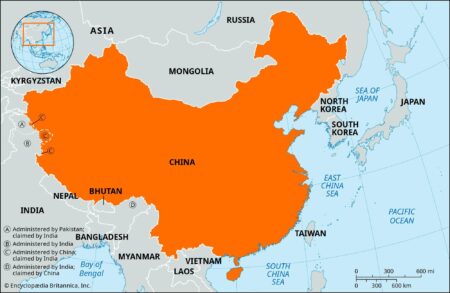
China has dismissed U.S. Senator Lindsey Graham’s recent threats against Russia as unnecessary, urging Washington to prioritize diplomacy and work towards preserving stability. This message comes amid rising tensions in Eastern Europe
China has dismissed U.S. Senator Lindsey Graham’s recent threats against Russia as unnecessary, urging Washington to prioritize diplomacy and work towards preserving stability. This message comes amid rising tensions in Eastern Europe
The head of a US House panel is urging schools to reconsider their participation in a Chinese scholarship program, sounding the alarm that it might be “nefarious” amid rising concerns about foreign influence in American education

Italian authorities have captured a Chinese state-sponsored contract hacker, acting on a request from the US, the Department of Justice confirmed. Reuters reports that the suspect is charged with cyber espionage targeting multiple critical sectors

China has fiercely condemned former President Donald Trump’s recent trade deal with Vietnam, warning that it endangers regional stability and undermines long-standing economic partnerships, the Financial Times reports
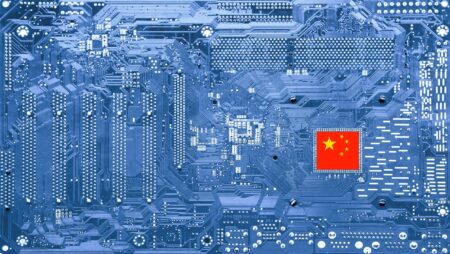
China’s $50 billion chip fund is boldly reshaping its strategy to outmaneuver US restrictions, focusing fiercely on self-reliance and homegrown technological breakthroughs. This dynamic pivot aims to dramatically reduce reliance on foreign semiconductor supplies amid rising trade tensions
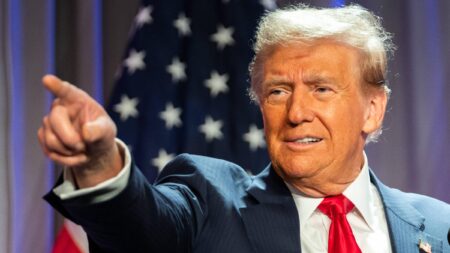
Trump’s envoy to China raises a red flag on growing dangers in foreign supply chains, calling for a bold strategic overhaul to reduce reliance. This urgent warning highlights escalating economic tensions in an increasingly unpredictable global trade environment

In the ongoing U.S.-China trade talks, Beijing masterfully balances boldness with diplomacy, aiming to secure favorable terms while carefully managing tensions. This strategic approach highlights China’s commitment to maintaining the delicate economic partnership without sparking disruption
President Trump highlighted encouraging strides in U.S.-China relations during a recent statement, igniting hope even as specific details remain under wraps. At the same time, experts urge caution, emphasizing that crucial agreements and timelines are still unclear
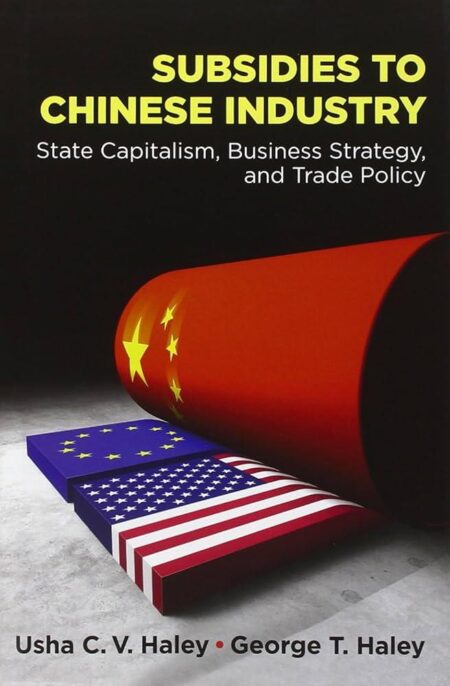
In a recent WSJ opinion piece, experts argue that former President Trump’s trade strategy with China is riddled with confusion and inconsistency. Critics caution that such unpredictable policies risk undermining the U.S. economy and diminishing its influence worldwide

China has announced it will eliminate tariffs on almost all goods from Africa, strengthening trade ties as both parties push back against US policies. This bold step seeks to ignite economic cooperation in the face of escalating global tensions
Former President Donald Trump enthusiastically hailed a breakthrough “deal” with China, highlighting major progress on tariffs and promising ongoing talks. Yet, skeptics remain doubtful about the real impact and long-term value of the agreement

Former President Trump unveiled a bold new strategy: securing magnets and rare earth minerals from China while simultaneously slapping tariffs on Chinese goods at a staggering 55%. This move signals a daring and complex shift in the US trade policy and supply chain approach
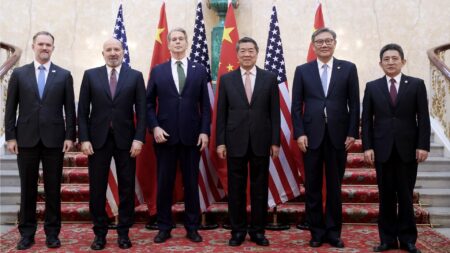
China’s Vice Premier Li revealed that China and the U.S. have crafted an initial framework to tackle trade issues. He also confirmed plans to brief top leaders on the latest developments, Reuters reports
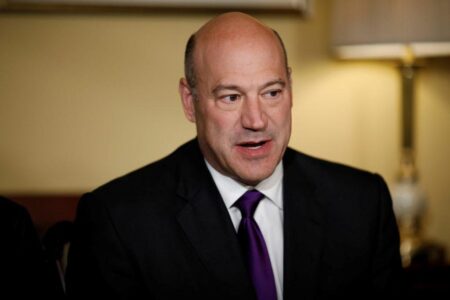
A Trump economic adviser expressed strong confidence Monday that a trade deal with China is on the verge of being finalized, highlighting significant progress in the talks despite ongoing tensions. While key details are still being ironed out, an agreement could be reached very soon

Border officials have intercepted a massive shipment of Chinese chemicals linked to CCP-backed networks, revealing Beijing’s bold and multifaceted tactics to undermine U.S. security and economic interests, Fox News reports
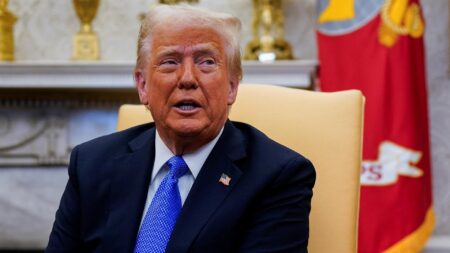
Former President Donald Trump’s escalating hostility toward China is raising urgent alarm among experts. Analysts warn that his aggressive approach could destabilize global order and ignite significant economic and geopolitical turmoil
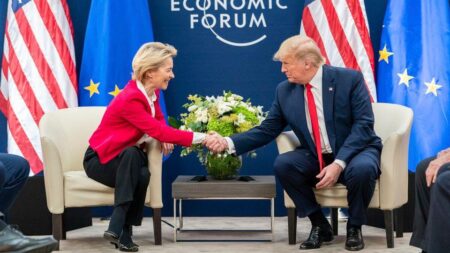
Former President Donald Trump described Chinese President Xi Jinping as “hard to make a deal with,” highlighting the ongoing challenges in U.S.-China trade negotiations, Al Jazeera reports
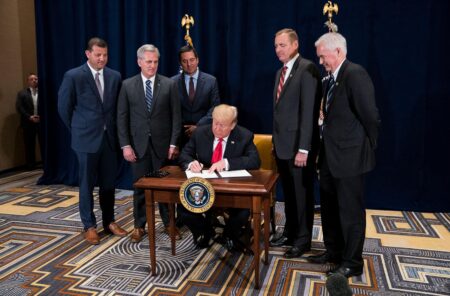
The Trump administration has chosen to postpone the implementation of a 25% tariff on Chinese-made graphics cards. This strategic decision aims to ease supply chain pressures amid soaring demand for semiconductor components
Former President Donald Trump has accused China of breaking their trade agreement and announced a bold plan to double tariffs on steel and aluminum imports, intensifying the trade war between these two economic powerhouses

Exclusive: Synopsys has stopped all sales to China following the latest US export restrictions, according to an internal memo obtained by Reuters. This decision underscores the rising tech rivalry between Washington and Beijing