

Spain’s Prime Minister Pedro Sánchez is seeking to strengthen trade relations with China as uncertainties surrounding U.S. tariffs continue. This move aims to diversify Spain’s economic partnerships and enhance its position in the global market.
Spain’s Prime Minister Pedro Sánchez is seeking to strengthen trade relations with China as uncertainties surrounding U.S. tariffs continue. This move aims to diversify Spain’s economic partnerships and enhance its position in the global market.
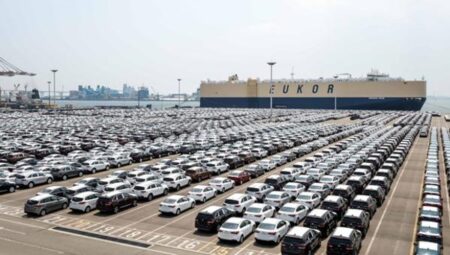
Japan faces a potential loss of $17 billion in car exports if the United States implements proposed tariffs, according to the UN trade agency. This move could significantly impact Japan’s automobile industry, which is a vital part of its economy.

Central bank deputies from China, Japan, and South Korea convened to discuss the implications of U.S. tariffs on their economies. The meeting, reported by Reuters, highlights growing concerns over trade tensions and their potential impact on regional stability.
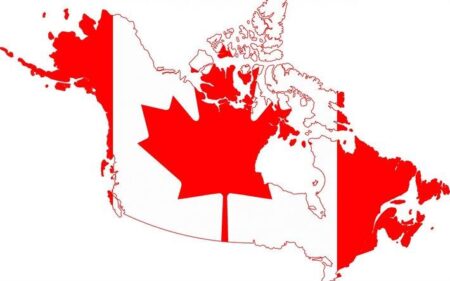
In response to the U.S. imposing tariffs on Canadian auto imports, Canada has announced reciprocal measures aimed at protecting its automotive industry. The move escalates trade tensions, as both nations confront the growing impact on their economies.

Brazil could emerge as a significant beneficiary of the U.S. tariffs on imports, economists suggest. As American companies seek alternative suppliers, Brazilian exports in agriculture and manufacturing may see a substantial boost.
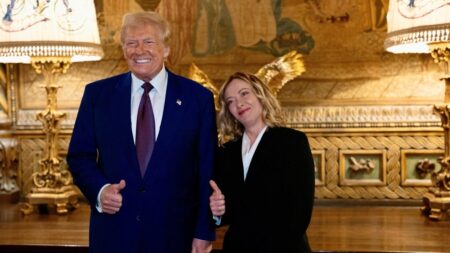
Italy’s Prime Minister Giorgia Meloni is strategically addressing the U.S. tariff challenge, aiming to protect domestic industries while fostering bilateral trade relations. Her administration seeks a balanced approach to mitigate economic impacts and strengthen ties with Washington.
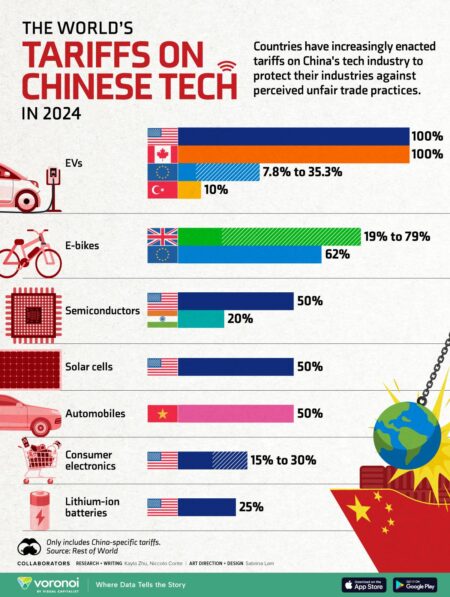
China, Japan, and South Korea plan a coordinated response to the recent U.S. tariffs, according to Chinese state media. This alliance underscores a growing economic resistance to American trade policies, highlighting regional solidarity amidst escalating tensions.
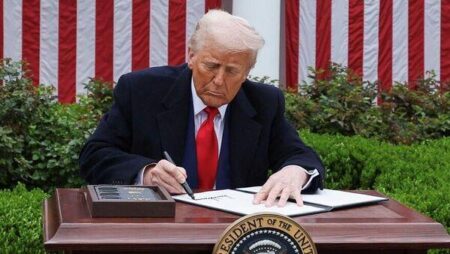
The upcoming 26% US tariffs on Indian goods are poised to impact domestic players significantly, according to top exporters’ bodies. This increase could dampen competitiveness in the global market, affecting trade dynamics between the two nations.

China is poised to increase its imports from India amid looming U.S. tariffs on Chinese goods. This strategic shift could bolster India’s economy and strengthen bilateral trade relations, offering a potential buffer against U.S. trade pressures.
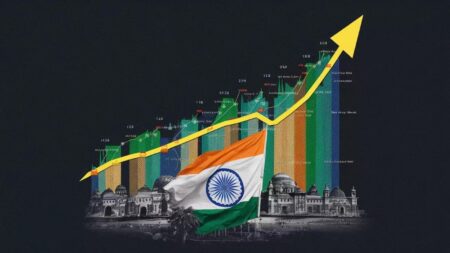
Indian stock markets closed lower in the final session of the fiscal year, influenced by concerns over potential U.S. tariffs. Investors remained cautious as trade tensions continued to weigh on market sentiment, prompting a decline in key indices.

Japan has issued a warning regarding the potential “significant impact” of impending U.S. tariffs on its economy. Officials express concerns over disrupted trade relations, which could affect sectors ranging from manufacturing to agriculture, emphasizing the need for dialogue.

In a bold economic move, former President Donald Trump proposed a 25% tariff on countries that purchase oil and gas from Venezuela. The policy aims to pressure the Maduro regime while altering global energy dynamics amid ongoing sanctions.

In a bid to bolster its economy against potential U.S. tariffs, Canada is working towards enhancing free internal trade across its provinces. Governor Mark Carney emphasized that a unified domestic market will strengthen Canada’s economic resilience and competitiveness.

Australian Prime Minister Anthony Albanese has criticized the US decision to impose tariffs on Australian goods, labeling the move as “not a friendly act.” This response follows former President Donald Trump’s refusal to grant an exemption for Australia, heightening trade tensions.

Germany’s Chancellor Olaf Scholz has welcomed the European Union’s response to newly imposed U.S. tariffs, viewing it as a unified stance that strengthens transatlantic relations. He emphasized the importance of solidarity among EU member states in addressing trade challenges.

UK Finance Minister has emphasized the necessity of “give and take” in ongoing negotiations to prevent the imposition of tariffs by the US. This statement reflects concerns over potential trade barriers that could impact UK businesses amid turbulent economic conditions.
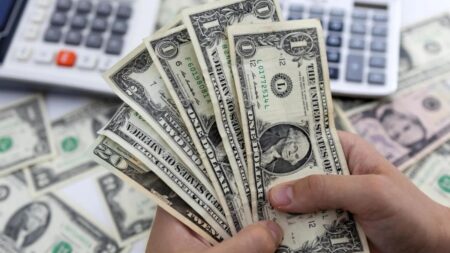
The Canadian dollar and Mexican peso hit one-month lows as U.S. tariffs on imports exerted downward pressure on both currencies. Analysts warn that ongoing trade tensions could further destabilize the exchange rates in the near term.
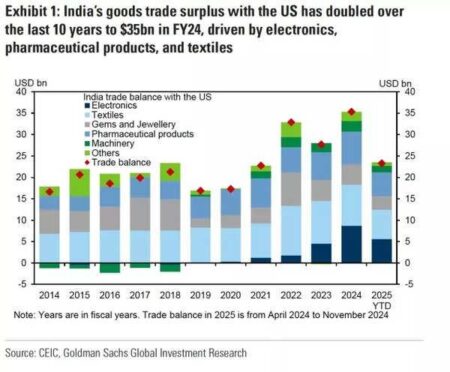
In the wake of rising U.S. tariffs, India is re-engaging in trade discussions with the UK and EU. This renewed dialogue aims to bolster economic ties and address longstanding trade barriers, reflecting India’s strategic pivot towards stronger bilateral relationships.