
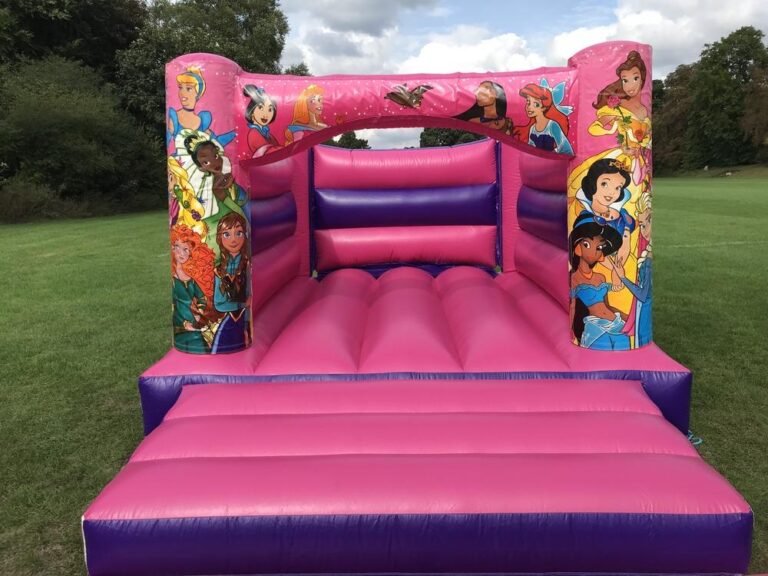
An Australian bouncy castle operator has been acquitted in a high-profile case involving a tragic accident that claimed the lives of six children. The incident, which sparked nationwide outrage and intense legal scrutiny, raised serious questions about safety standards and liability within the entertainment industry. The court’s decision to clear the operator of criminal charges marks a pivotal moment in the ongoing debate over regulatory oversight and the responsibilities of event organizers. This article examines the circumstances surrounding the accident, the legal proceedings, and the broader implications for public safety.
Australian Bouncy Castle Operator Found Not Guilty in Tragic Accident Investigation
After a thorough investigation that gripped the nation, the court delivered a verdict acquitting the bouncy castle operator involved in the devastating incident. Authorities examined extensive evidence, including safety inspections, maintenance records, and eyewitness testimonies, before concluding there was no criminal negligence directly attributable to the operator’s actions. This decision has sparked a mix of relief and controversy among affected families and the wider community, who continue to grapple with the tragedy that claimed six young lives.
Key factors influencing the court’s decision included:
- Compliance with all relevant safety regulations prior to the event
- Regular maintenance and documented inspections of the equipment
- Unpredictable weather conditions at the time of the accident
- Lack of direct operator control over sudden gusts of wind
| Aspect | Details |
|---|---|
| Inspection Frequency | Weekly |
| Regulatory Compliance | Up to date |
| Witness Statements | Support operator’s account |
| Weather at Incident | Strong gusts recorded |
Safety Standards and Regulatory Gaps in Inflatable Amusement Equipment Examined
The tragedy exposed critical shortcomings in existing safety protocols governing inflatable amusement devices across Australia. Despite rigorous industry guidelines, the lack of a unified regulatory framework has created loopholes that make consistent enforcement challenging. Investigations revealed that current standards often rely on voluntary compliance rather than mandatory inspections, raising questions about accountability and preventive measures. Industry experts argue that without clear statutory mandates, operators remain vulnerable to unforeseen risks, which can have fatal consequences.
Key issues identified include:
- Inconsistent inspection regimes varying widely between states and territories
- Absence of standardized certification for equipment and operators
- Limited data collection on accidents and near misses to inform policy improvements
| Safety Aspect | Current Status | Recommended Action |
|---|---|---|
| Equipment Certification | Voluntary | Mandatory national accreditation |
| Inspection Frequency | Varies by region | Regular scheduled checks |
| Incident Reporting | Ad hoc | Centralized database system |
Calls for Enhanced Industry Oversight and Stricter Safety Protocols in Child Entertainment Venues
The devastating incident that resulted in the deaths of six children on a bouncy castle has reignited debates surrounding the safety standards and regulatory frameworks governing child entertainment venues across Australia. Industry experts and child safety advocates are urging for a comprehensive overhaul of existing protocols, highlighting gaps that may have contributed to such a tragedy. Calls are mounting for government bodies to implement stricter certification processes, mandatory regular inspections, and enforceable safety training requirements for operators. These measures, proponents argue, are crucial to ensuring that venues hosting children maintain the highest levels of vigilance and preparedness.
Meanwhile, parliamentary inquiries are being proposed to assess current regulatory shortcomings and explore the feasibility of nationwide safety guidelines. Many voices within the industry emphasize the need for clear accountability and transparent reporting systems to monitor equipment maintenance and usage. Below is a summary of key recommendations suggested by safety experts for enhancing oversight at child-focused entertainment sites:
- Mandatory annual safety audits conducted by accredited third parties
- Standardized operator certification programs with periodic re-evaluation
- Real-time incident reporting to regulatory authorities
- Comprehensive public awareness campaigns on venue safety standards
- Implementation of national safety benchmarks harmonized across states
| Safety Aspect | Current Status | Proposed Improvement |
|---|---|---|
| Equipment Inspections | Irregular and voluntary | Mandatory quarterly inspections |
| Operator Training | Non-standardized, varies widely | Certified national training course |
| Incident Reporting | Informal and inconsistent | Real-time electronic reporting platform |
The Way Forward
The acquittal of the Australian bouncy castle operator marks the conclusion of a deeply tragic and complex legal case that has reverberated across the community. While the court found insufficient evidence to convict, the devastating loss of six children remains a somber reminder of the critical importance of safety standards in entertainment venues. As investigations continue and safety protocols are scrutinized, authorities and operators alike face renewed pressure to prevent such heartbreaking incidents in the future.