
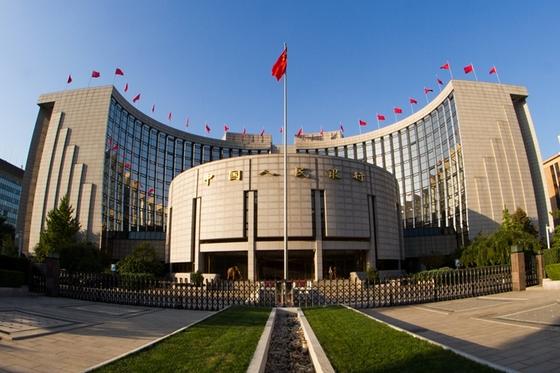
In a decisive move to ease mounting liquidity pressures, China’s central bank has injected substantial funds into the financial system amid growing concerns over a cash crunch. The People’s Bank of China (PBOC) deployed targeted measures designed to stabilize market operations and ensure sufficient capital flow, as economic uncertainties and tightening credit conditions weigh heavily on businesses and investors. This latest intervention underscores Beijing’s commitment to maintaining financial stability in a complex and evolving economic landscape, according to reports from the Wall Street Journal.
China Central Bank Injects Liquidity to Ease Market Strains Amid Cash Shortages
The People’s Bank of China (PBOC) has taken decisive action by pumping significant liquidity into the financial system to counter mounting cash shortages that have raised concerns among investors and market participants. This move comes amid heightened volatility in money markets, where several banks experienced unexpected funding strains, signaling underlying pressures in the broader credit environment. The short-term facilities injected aim to stabilize interbank lending rates and ensure smooth functioning of daily transactions across the economy.
Key details of the recent liquidity injection include:
- Amount Injected: Approx. 400 billion yuan (about $58 billion)
- Instruments Used: Medium-term lending facilities (MLF) and reverse repurchase agreements (reverse repos)
- Impact: Immediate easing of the overnight and 7-day repo rates
| Liquidity Tool | Amount (Billion Yuan) | Rate Impact (%) | Maturity |
|---|---|---|---|
| Reverse Repo | 200 | 2.10 → 1.95 | 7 Days |
| MLF | 200 | 2.95 (Unchanged) | 1 Year |
Financial analysts interpret these measures as a proactive step to safeguard liquidity and maintain market confidence, especially as the government balances growth pressures and financial stability. While such injections have temporarily alleviated strain, experts warn that ongoing monitoring will be crucial amid potential ripple effects from property sector debt and global economic uncertainties.
Analysis of Policy Measures and Their Impact on Financial Stability
China’s central bank has implemented a series of strategic liquidity injections aimed at soothing market tensions and preventing a tightening credit environment. By releasing funds through reverse repos and targeted medium-term lending facilities (TMLF), the People’s Bank of China (PBOC) seeks to maintain sufficient cash flow within commercial banks. This proactive stance directly mitigates short-term funding shortages, helping stabilize interest rates and alleviate pressure on smaller lenders facing liquidity stress.
Key impacts observed include:
- Improved interbank lending conditions, reducing overnight rates by approximately 15 basis points.
- Enhanced confidence among market participants, visible in a modest rebound in corporate bond prices.
- Temporary easing of credit spreads, signaling lower systemic risk perceptions.
| Policy Measure | Implementation Date | Market Effect |
|---|---|---|
| Reverse Repo Operations | April 10, 2024 | Liquidity boosted by ¥150 billion |
| Medium-Term Lending Facility (TMLF) | April 12, 2024 | Targeted lending of ¥300 billion |
| Reserve Requirement Ratio Cut | March 28, 2024 | Released ~Â¥500 billion liquidity |
Despite immediate relief, analysts caution that these measures represent short-term fixes rather than structural solutions. Sustained financial stability depends on deeper reforms addressing underlying vulnerabilities within China’s shadow banking sector and real estate financing channels. Continued monitoring will be essential to gauge whether liquidity support translates into long-term health for the financial system or merely postpones inevitable strains.
Expert Recommendations for Investors Navigating Liquidity Challenges
As liquidity tightens, experts urge investors to prioritize cash flow management and maintain diversified portfolios to weather market volatility. With the central bank’s recent interventions aimed at stabilizing funding channels, staying nimble is key. Analysts advise monitoring short-term debt instruments closely, while also considering conservative asset classes that can provide cushioning against abrupt market fluctuations.
Financial strategists emphasize the importance of balancing risk and opportunity during such periods. Recommended approaches include:
- Increasing exposure to high-quality government bonds to enhance portfolio resilience.
- Limiting over-reliance on highly leveraged sectors vulnerable to cash squeezes.
- Regularly reviewing liquidity ratios and stress-testing portfolios under various scenarios.
| Strategy | Benefits | Risk Level |
|---|---|---|
| Short-term Government Bonds | Stable returns, high liquidity | Low |
| Diversified Equity Holdings | Growth potential, hedges inflation | Medium |
| Cash Reserves | Flexibility, immediate buying power | Low |
Wrapping Up
As liquidity injections continue, market participants will be closely monitoring the central bank’s next moves amid ongoing concerns over cash flow strains. While the latest measures aim to stabilize short-term funding conditions, analysts caution that sustained economic pressures may require further policy support. The situation underscores the delicate balance Beijing must maintain to ensure financial stability while navigating broader growth challenges.