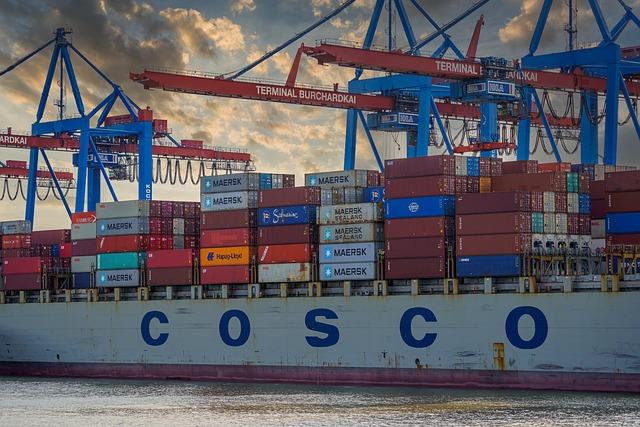
Brazil’s state-controlled oil giant Petrobras is expanding its gas import operations as it seeks to meet rising domestic demand and diversify supply sources. The company’s move reflects broader shifts in the South American energy landscape, with implications for regional markets and Brazil’s energy security. This strategic adjustment comes amid growing consumption pressures and evolving geopolitical dynamics influencing global gas trade.
Petrobras Expands Gas Imports to Meet Growing Domestic Demand
Petrobras is intensifying its efforts to secure additional gas supplies amid a surge in Brazil’s energy consumption. Facing increased domestic demand driven by industrial growth and seasonal factors, the energy giant has stepped up imports, sourcing LNG from multiple international markets. This diversification strategy aims to enhance supply reliability while mitigating risks associated with fluctuating domestic production levels. Key import partners now include countries in the U.S., Qatar, and Trinidad and Tobago, enabling Petrobras to optimize pricing and delivery schedules.
To accommodate the expanded import volume, Petrobras has also upgraded infrastructure, including regasification terminals and pipeline logistics. These investments assure efficient distribution and support the company’s broader commitment to maintaining energy stability across the country. The table below highlights recent shifts in Petrobras’ gas sourcing:
| Supplier Country | Import Volume (MMm³/month) | Percentage of Total Imports |
|---|---|---|
| United States | 450 | 40% |
| Qatar | 350 | 31% |
| Trinidad and Tobago | 200 | 18% |
| Others | 100 | 11% |
Petrobras’ expanding import strategy also comes with a focus on sustainability and operational efficiency, positioning it as a key player in Brazil’s evolving energy landscape.
Impact of Increased Gas Imports on Brazil’s Energy Market and Pricing
Petrobras’ strategic move to increase gas imports is reshaping Brazil’s energy market dynamics. By supplementing domestic production with external sources, the company aims to secure supply stability amid fluctuating local output. This pivot is expected to ease pressure on natural gas prices, which had been driven upward by recent supply constraints and rising demand from the industrial sector. Market analysts suggest that enhanced import capacity will allow Petrobras to leverage global LNG price trends, potentially reducing wholesale gas costs and fostering greater competition within Brazil’s energy market.
However, the shift also introduces new variables that could influence price volatility and market balance. Key factors include:
- Exchange rate fluctuations impacting import costs
- Global LNG supply chain disruptions affecting delivery timelines
- Regulatory adjustments required to integrate imported gas
Below is a comparison of price variations in Brazil’s gas market before and after the increased import strategy:
| Period | Average Gas Price (BRL/MMBtu) | Price Volatility (%) |
|---|---|---|
| Pre-import Strategy | 28.4 | 15% |
| Post-import Strategy | 24.7 | 9% |
Petrobras’ increased gas import strategy appears to have had a positive impact on Brazil’s natural gas market based on the data provided:
- Average Gas Price: The average price decreased from 28.4 BRL/MMBtu before the import strategy to 24.7 BRL/MMBtu afterward, indicating price relief likely due to supplemented supply and increased competition.
- Price Volatility: Volatility dropped significantly from 15% to 9%, suggesting a more stable pricing environment, possibly from a more diversified supply portfolio and reduced sensitivity to local production fluctuations.
However, the strategy also introduces new uncertainties such as exchange rate risks, potential LNG supply chain disruptions, and the need for regulatory adjustments. Overall, while imports help stabilize and potentially lower prices, managing these new factors will be crucial for sustaining these benefits in the long term.
Strategies for Enhancing Brazil’s Energy Security Amid Rising Import Reliance
As Brazil faces a growing dependency on imported natural gas, particularly through Petrobras’s expanded procurement efforts, policymakers and industry leaders are strategizing to reinforce the nation’s energy resilience. Central to these efforts is the diversification of supply sources, aiming to mitigate risks tied to geopolitical instability or supply disruptions. This involves strengthening ties with multiple international suppliers, boosting local LNG infrastructure, and exploring new pipeline projects to increase alternative routes.
Key approaches include:
- Enhancing investment in renewable energy projects to reduce overall fossil fuel demand.
- Developing strategic reserves to buffer short-term supply shocks.
- Promoting energy efficiency programs to curb consumption growth.
- Implementing regulatory reforms to stimulate private sector participation in gas exploration and production.
| Strategy | Expected Benefit |
|---|---|
| Diversified Imports | Reduced supply risk |
| Renewable Energy Expansion | Lower fossil fuel dependency |
| Strategic Reserves | Enhanced supply security |
| Efficiency Programs | Demand moderation |
The Conclusion
As Petrobras expands its gas import operations, the move underscores Brazil’s broader strategy to diversify energy sources amid rising domestic demand and supply challenges. Market observers will be watching closely to see how increased imports impact the country’s energy security and pricing dynamics in the coming months.

A lifestyle journalist who explores the latest trends.
Related Posts