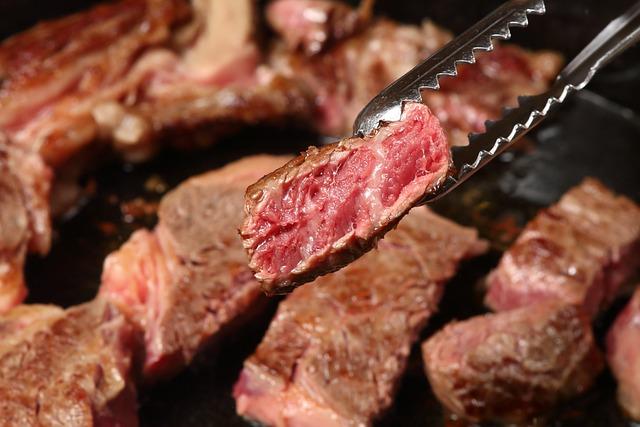
Brazil has overtaken the United States to become the world’s leading beef producer, signaling a significant shift in the global meat industry. This milestone comes amid changing supply dynamics and sustained high prices that continue to reverberate through international markets. As the American Ag Network reports, Brazil’s rise reflects broader trends reshaping agricultural production and trade, with implications for farmers, consumers, and industries worldwide.
Brazil Takes Lead in Global Beef Production Amid Changing Supply Dynamics
In a landmark shift within the global agricultural sector, Brazil has officially overtaken the United States as the world’s largest beef producer. This transition reflects profound changes in supply dynamics, propelled by Brazil’s expansive grazing lands, favorable climate conditions, and strategic investments in livestock technology. While the U.S. grapples with rising production costs and regulatory challenges, Brazil’s beef industry has surged ahead, capitalizing on increased export demand from key markets in Asia and the Middle East.
Key factors driving Brazil’s ascendancy include:
- Expansion of sustainable pasture management techniques, enhancing herd productivity.
- Government incentives promoting export-oriented beef production.
- Rising global protein demand amid tighter supplies from traditional producers.
Consequently, global beef prices have remained elevated, underscoring the tightened supply chains and shifting power balances in the meat industry. Market analysts suggest that Brazil’s newfound dominance could reshape trade patterns for years to come, presenting both opportunities and challenges for competitors and consumers worldwide.
Implications of Brazil’s Rise for U.S. Beef Industry and International Markets
The ascent of Brazil to the pinnacle of global beef production is recalibrating the dynamics within the U.S. beef industry, signaling both challenges and opportunities. American cattle ranchers are facing intensified competition as Brazilian exports continue to swell, buoyed by expansive grazing lands and lower production costs. This shift is pushing U.S. producers to innovate and streamline operations to maintain market share domestically and abroad. Furthermore, the persistent elevation of beef prices on the international stage is prompting U.S. stakeholders to reassess supply chain strategies, balancing the demand surge with input cost pressures.
On the international front, Brazil’s dominance is reshaping trade flows, with importers diversifying sources and leveraging Brazil’s vast output to meet growing consumption. Key implications include:
- Price Volatility: Increased Brazilian supply introduces new price dynamics, requiring closer monitoring of market trends.
- Trade Policy Adjustments: The U.S. may reconsider tariffs, subsidies, and trade agreements to protect domestic producers.
- Market Access Competition: Emerging exporters are challenging traditional markets, compelling U.S. exporters to emphasize quality and branding.
As these elements converge, the U.S. beef industry must adapt strategically, leveraging technology and policy innovation to sustain competitiveness in a transformed global arena.
Strategic Recommendations for American Producers to Compete in High-Price Environment
To maintain a competitive edge amid soaring beef prices and Brazil’s rising dominance, American producers must embrace innovation and efficiency across their operations. Investing in advanced cattle genetics, sustainable feed practices, and precision livestock farming technologies can significantly boost productivity while reducing costs. Additionally, cultivating strong relationships with domestic and international buyers through transparent supply chains will enhance market trust and open doors to premium segments. These steps are vital for U.S. producers striving to meet evolving consumer demands without sacrificing profitability.
Strategic priorities moving forward should include:
- Adoption of cutting-edge breeding techniques to improve herd resilience and meat quality
- Implementation of environmentally friendly practices to address growing concerns over climate impact
- Expansion of value-added product lines tailored to niche markets such as organic and grass-fed beef
- Leveraging digital platforms for smarter supply chain management and enhanced consumer engagement
By focusing on these areas, American beef producers can not only withstand the pressure from Brazil’s expanding production but also capitalize on the premium pricing environment to strengthen their global presence.
Closing Remarks
As Brazil takes the lead in beef production, the global meat industry faces a notable shift that could reshape supply chains and market dynamics for years to come. With sustained high prices and evolving demand patterns, both producers and consumers worldwide will be closely watching how this transition impacts trade, sustainability efforts, and food security. The American agricultural sector, while adjusting to Brazil’s rise, remains a key player in the global beef market. Further developments in production techniques, policy decisions, and international relations will be critical in determining the future landscape of beef supply and pricing.