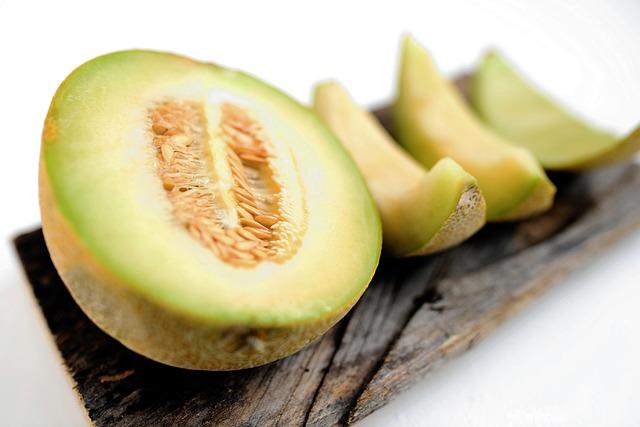
Brazilian melon exports surged to a record $231 million in revenue in 2025, marking a significant milestone for the country’s agricultural sector, according to data released by DatamarNews. The robust growth reflects rising international demand and expanded market access for Brazilian produce. However, industry experts caution that a series of challenges-including logistical constraints, fluctuating global prices, and evolving trade policies-could temper future gains, casting uncertainty over the sector’s trajectory in the coming years.
Brazilian Melon Exports Surge to Record Revenue Driven by Strong Global Demand
In 2025, Brazil’s melon export sector achieved an unprecedented milestone, generating a staggering $231 million in revenue. This surge is largely attributed to an escalating appetite for Brazilian melons across international markets, particularly in North America, Europe, and Asia. Favorable weather conditions combined with advanced agricultural practices have bolstered production volumes, enabling Brazilian exporters to meet the burgeoning demand efficiently. Additionally, strategic trade agreements and competitive pricing have further amplified the global penetration of Brazilian melons, reinforcing the country’s position as a leading player in the fresh produce industry.
However, despite this robust growth, several challenges threaten to temper future expansion. Stakeholders point to rising logistical costs, fluctuating currency exchange rates, and tightening phytosanitary regulations as potential headwinds. Concerns over climate variability and its impact on crop yields also underscore the need for innovation and diversification within the sector. Industry experts are closely monitoring these factors, emphasizing the importance of sustainable practices and improved supply chain resilience to maintain Brazil’s momentum in the highly competitive global melon market.
- Key Export Destinations: North America, Europe, Asia
- Main Challenges: Rising logistics costs, regulatory changes, climate risks
- Growth Drivers: Improved farming methods, trade deals, competitive pricing
Supply Chain Challenges and Climate Concerns Threaten Future Growth Prospects
Despite the impressive surge in Brazil’s melon export revenues, the industry faces significant hurdles that could impede sustained growth. Disruptions in global supply chains continue to challenge producers and exporters alike, with logistical bottlenecks causing delays and increased costs. The scarcity of shipping containers, fluctuating freight rates, and labor shortages at key ports have combined to create an environment of unpredictability that strains the entire melon export network. These factors contribute to volatility in delivery schedules, raising concerns among international buyers about reliability and consistency.
Compounding these logistical difficulties are the escalating impacts of climate change, which threaten the production baseline for Brazilian melons. Erratic weather patterns, prolonged droughts, and rising temperatures have begun to affect crop yields and quality, putting pressure on farmers to adapt rapidly. Key challenges include:
- Water scarcity affecting irrigation and cultivation schedules.
- Increased pest and disease outbreaks linked to warmer, more humid conditions.
- Soil degradation due to changing rainfall patterns and extreme weather events.
Industry experts stress that without strategic investments in climate-resilient farming practices and infrastructure improvements in the supply chain, Brazil’s melon export sector may struggle to maintain its current momentum amid these emerging threats.
Experts Advise Diversifying Markets and Investing in Sustainable Farming Practices
As Brazilian melon exports soar to unprecedented heights, industry specialists emphasize the urgency of broadening market horizons beyond traditional destinations. Current reliance on a narrow set of countries poses significant risks amid fluctuating trade policies and global economic uncertainties. Experts advocate for targeted strategies to penetrate emerging markets across Asia and the Middle East, where rising consumer demand for exotic fruits shows promising potential. This diversification approach aims to buffer the sector against potential downturns and enhance long-term revenue stability.
In parallel, agricultural analysts underline the critical need for investment in sustainable farming practices to safeguard Brazil’s melon production. Innovative techniques such as precision irrigation, organic fertilizers, and integrated pest management are highlighted for their ability to reduce environmental impact while increasing yield quality. Stakeholders are encouraged to leverage government incentives and private partnerships to accelerate the adoption of eco-friendly technologies. Key recommendations include:
- Expansion of research funding dedicated to sustainable melon cultivation.
- Training programs for farmers on climate-resilient agricultural methods.
- Implementation of certification schemes to unlock premium markets that demand sustainability credentials.
In Summary
As Brazilian melon exports reach a record $231 million in 2025, the sector celebrates a milestone that underscores the country’s growing prominence in the global fruit market. However, with challenges such as rising production costs, climatic uncertainties, and shifting trade policies on the horizon, industry stakeholders remain cautious. How Brazil navigates these headwinds will be crucial in sustaining growth and maintaining its competitive edge in the years to come.