
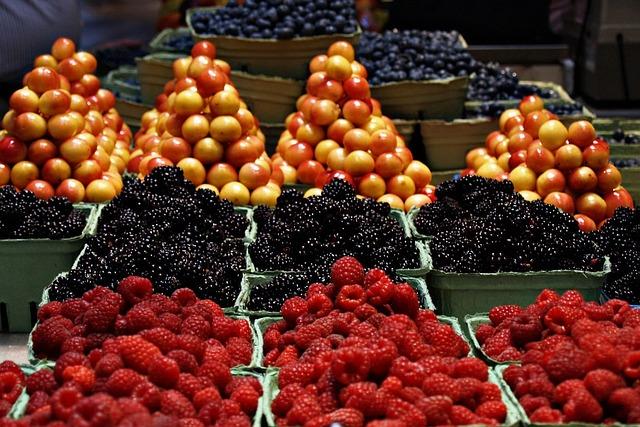
The United Kingdom’s plum and sloe market is poised for steady expansion, according to the latest forecast from IndexBox. Projected to grow at a compound annual growth rate (CAGR) of 1.7% in value, the sector reflects modest yet consistent development amid evolving consumer preferences and market dynamics. This outlook provides key insights into production trends, import-export flows, and pricing patterns shaping the landscape of the UK’s plum and sloe trade in the coming years.
United Kingdom’s Plum and Sloe Market Projected to Experience Steady Value Growth Through 2029
The United Kingdom’s plum and sloe sector is set to witness a steady rise in market value over the next several years, with forecasts indicating a compound annual growth rate (CAGR) of approximately 1.7% through 2029. This growth is primarily driven by rising consumer demand for fresh and processed plum products, fueled by increasing health awareness and a preference for organic and locally sourced fruits. Industry experts highlight the expanding use of plums in culinary applications and beverages, which is broadening the market reach beyond traditional consumption patterns.
Key factors influencing the market growth include:
- Expansion of value-added plum-based products such as jams, juices, and confectionery
- Innovations in agricultural practices improving yield and fruit quality
- Government initiatives supporting sustainable farming and domestic fruit production
- Growing export opportunities within European and global markets
Despite challenges such as climate variability and competition from imported fruits, the outlook remains positive as producers and retailers adapt to evolving consumer preferences. The market’s resilience underscores the plum and sloe sector’s integral role in the UK’s broader fruit industry landscape.
Emerging Consumer Trends and Supply Chain Dynamics Shaping Market Opportunities
Shifts in consumer preferences are increasingly influencing the dynamics of the plum and sloe market in the United Kingdom. Health-conscious buyers are driving demand for organic and locally sourced produce, pushing suppliers to adapt their cultivation and distribution strategies. Additionally, the rising interest in artisanal and heritage varieties is opening niche opportunities for growers and retailers aiming to differentiate themselves in a competitive landscape. This consumer pivot toward quality and provenance is fueling modest yet steady growth, evident in the projected 1.7% CAGR in market value.
Meanwhile, supply chain innovations are playing a crucial role in meeting evolving market demands. Enhanced cold storage technologies and streamlined logistics are reducing spoilage and extending shelf life, which in turn supports year-round availability. Retailers and suppliers are also leveraging digital platforms for better inventory forecasting and consumer engagement, leading to more efficient market responsiveness. Key factors shaping current supply chain dynamics include:
- Increased collaboration between farmers and retailers to optimize crop planning.
- Adoption of sustainable packaging to meet environmental regulations and consumer expectations.
- Integration of data analytics for real-time monitoring of supply fluctuations.
Strategic Recommendations for Producers and Retailers to Capitalize on Modest Market Expansion
Producers should prioritize enhancing product quality and diversifying their offerings to stand out in a slow-growing market. Emphasizing organic and sustainably farmed plums and sloes can tap into the rising consumer preference for eco-friendly products. Additionally, investing in innovative packaging solutions that extend shelf life will appeal to retailers seeking to reduce waste and ensure freshness. Collaborative efforts with local farmers and technology providers can streamline supply chains, enhancing efficiency and lowering costs amidst market pressures.
Retailers, on their part, must capitalize on consumer trends by expanding promotional campaigns focused on the health benefits and versatility of plums and sloes. Highlighting seasonal recipes and pairing suggestions can drive demand and foster repeat purchases. Furthermore, integrating online platforms and direct-to-consumer sales channels will be crucial for reaching a broader audience. Key strategies include:
- Leveraging data analytics to tailor inventory and marketing efforts.
- Partnering with producers for exclusive product lines and co-branding initiatives.
- Enhancing in-store experiences through tastings and educational displays.
These approaches will not only stimulate growth but also consolidate brand loyalty in a market experiencing steady yet modest expansion.
The Way Forward
As the United Kingdom’s plum and sloe market projects a steady, albeit modest, growth of 1.7% CAGR in value, industry stakeholders can anticipate gradual expansion opportunities amidst evolving consumer preferences. While challenges such as climate variability and market competition persist, the forecast highlights potential for incremental gains in market value over the coming years. Continued monitoring of production trends and import dynamics will be essential for businesses aiming to capitalize on this steady upward trajectory within the sector.