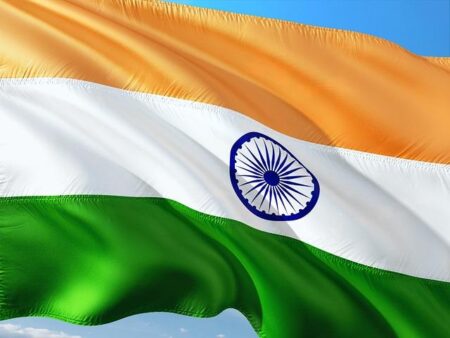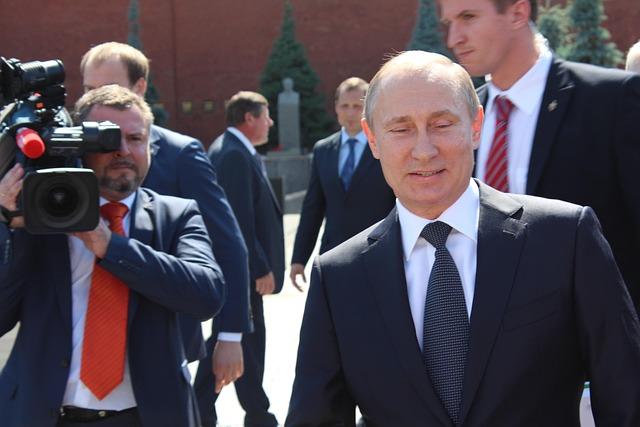
Russian President Vladimir Putin is set to attend the upcoming BRICS Summit in India, marking his second visit to the country within a year, the Kremlin confirmed on Monday. The summit, which brings together the influential emerging economies of Brazil, Russia, India, China, and South Africa, is expected to focus on enhancing cooperation amidst shifting global geopolitical dynamics. Putin’s participation underscores Russia’s commitment to strengthening ties within the bloc despite ongoing international tensions and sanctions.
Putin’s Presence at BRICS Summit Signals Strengthening Ties Between Russia and India
Russian President Vladimir Putin’s confirmed participation in the upcoming BRICS Summit held in India marks a significant moment in the ongoing diplomatic and economic rapport between the two nations. This gathering not only underscores Russia’s commitment to multilateral cooperation within emerging economies but also highlights New Delhi’s growing influence on the global stage. As this is Putin’s second visit to India within a year, it signals a deepening strategic partnership anchored on mutual interests in trade, energy, and geopolitical alignment.
Key areas expected to dominate discussions during the summit include:
- Energy collaboration: Expanding cooperation in oil, gas, and renewable sectors to ensure energy security for both countries.
- Defense and technology exchange: Strengthening military ties and sharing advancements in technology development.
- Trade and investment initiatives: Enhancing bilateral trade volumes and fostering joint ventures in infrastructure and manufacturing sectors.
With global economic uncertainty lingering, Putin’s engagement reflects a strategic calculus aimed at reinforcing alliances that challenge existing power structures, while promoting a multipolar world. India’s role as host further consolidates its stature as a pivotal player within BRICS, championing collaboration that could redefine regional and international dynamics.
Geopolitical Implications of Putin’s Second Visit to India in One Year
Vladimir Putin’s unprecedented second visit to India within a year underscores a strategic deepening of ties amid shifting global power dynamics. This move signals Russia’s intent to bolster its presence in the Indo-Pacific region, especially as Western sanctions intensify pressures on Moscow. India’s balancing act between maintaining defense cooperation with Russia and navigating its growing alliance with Western powers now faces new complexities. The timing of this visit, coinciding with the BRICS summit, enhances India’s role as a pivotal player in shaping an alternative multilateral economic and political order, challenging traditional Western dominance.
Key geopolitical takeaways include:
- Strengthened Russia-India energy collaboration as India seeks to diversify supply amidst global uncertainties.
- Enhanced defense agreements signaling continuity in military partnerships despite external pressures.
- An affirmation of BRICS as a counterbalance platform promoting multipolarity, with India and Russia at the helm.
- Potential recalibration of regional alliances, impacting India’s relations with the US, China, and neighboring countries.
As Moscow leverages India’s strategic significance, the visit leaves an indelible mark on the geopolitical chessboard, reflecting a nuanced contest for influence in Asia and beyond.
Strategic Recommendations for India Amidst Growing BRICS Influence
As the BRICS bloc gains momentum with key figures like Vladimir Putin reaffirming their commitment, India’s strategic positioning becomes increasingly crucial. New Delhi must leverage this opportunity to deepen economic and diplomatic ties within the grouping, focusing on diversifying trade partnerships and enhancing technological collaboration. Strengthening intra-BRICS connectivity can serve as a catalyst for India’s ambitions to emerge as a global manufacturing hub, especially in sectors like green energy, semiconductors, and digital infrastructure.
To effectively navigate the shifting geopolitical landscape, India should prioritize:
- Balancing relations with both Western powers and emerging economies within BRICS
- Expanding financial mechanisms such as the New Development Bank for greater developmental financing
- Promoting regional stability to bolster economic growth amidst global uncertainties
- Investing in strategic industries to reduce dependence on traditional supply chains
Such calibrated strategies will enable India to harness the growing clout of BRICS while safeguarding its national interests on the international stage.
Insights and Conclusions
As Vladimir Putin prepares for his second visit to India within a year to attend the upcoming BRICS Summit, global attention remains fixed on the evolving dynamics of this influential grouping. The Kremlin’s confirmation underscores Russia’s continued commitment to strengthening ties with emerging economies amid shifting geopolitical landscapes. Observers will be watching closely to see how Putin’s participation shapes discussions on economic cooperation, strategic partnerships, and the broader balance of international power.