
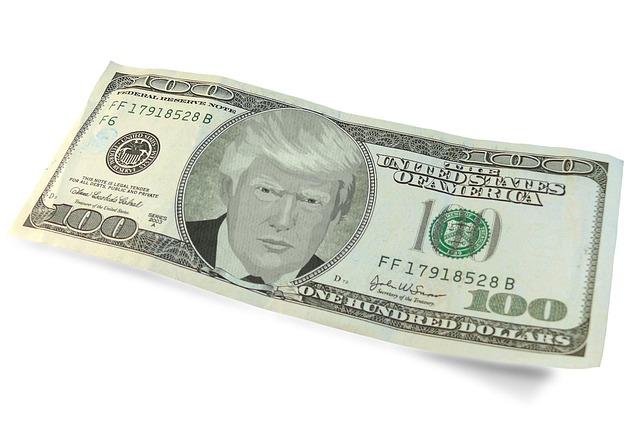
In a recent public address, former U.S. President Donald Trump controversially referred to India and China as “hellholes,” intensifying his rhetoric while renewing calls to end birthright citizenship in the United States. Speaking at a rally ahead of the upcoming elections, Trump criticized immigration policies and targeted what he described as exploitative practices by certain countries. His remarks have sparked widespread reactions across political and diplomatic spheres, drawing attention to the intersection of immigration debates and international relations. This article examines the implications of Trump’s statements and their reception in both domestic and foreign contexts.
Trump Labels India and China as Hellholes Amid Birthright Citizenship Debate
Former U.S. President Donald Trump ignited controversy by controversially referring to India and China as “hellholes” during a heated discussion on birthright citizenship policies. This provocative remark, made amidst his ongoing campaign to revise immigration laws, has sparked condemnation from both nations and drawn criticism from diplomatic circles worldwide. Critics argue that the language not only undermines international relations but also oversimplifies complex socio-economic realities in these rapidly developing countries.
In his remarks, Trump emphasized the need to overhaul the existing birthright citizenship framework, suggesting that unrestricted citizenship encourages unchecked immigration from countries he views as problematic. Key points raised include:
- Calls for stricter immigration controls targeting specific regions
- Claims that current policies incentivize illegal entry
- Focus on redefining citizenship eligibility to prioritize national security
The backlash from diplomatic representatives and immigrant communities underscores the deep sensitivities surrounding citizenship discourse and international diplomacy in an increasingly polarized global environment.
Analyzing the Impact of Trump’s Remarks on Indo-US and Sino-US Relations
Former President Donald Trump’s recent description of India and China as “hellholes” during his campaign against birthright citizenship has sparked significant diplomatic ripples across global corridors. This incendiary remark has the potential to strain the traditionally strategic Indo-US and Sino-US partnerships, which rely heavily on mutual respect and collaboration on various fronts including trade, security, and climate change. Diplomats and analysts note that such language undermines trust and complicates ongoing efforts to balance power dynamics, particularly as India and China navigate their own complex bilateral tensions with the United States.
Key concerns highlighted by experts include:
- Economic Implications: Trade negotiations may face increased hurdles as both India and China reassess their engagement strategies amid perceived disrespect.
- Geopolitical Stability: The remarks risk exacerbating existing geopolitical sensitivities, especially given China’s assertive regional policies and India’s growing global ambitions.
- Public Perception: National sentiments in India and China could harden against the US, potentially influencing government policies and grassroots cooperation.
As global watchers monitor subsequent dialogues, the incident serves as a stark reminder of the impact words wield in international relations, where diplomacy hinges as much on rhetoric as on action.
Policy Recommendations for Addressing Birthright Citizenship Concerns and Diplomatic Fallout
To mitigate escalating tensions stemming from contentious remarks and policy proposals on birthright citizenship, strategic diplomatic engagement alongside nuanced legal reforms is imperative. Policymakers should prioritize transparent dialogue with affected countries such as India and China to rebuild trust and clarify the intent behind legislative measures. Crafting immigration policies that uphold human rights and constitutional values while addressing national security concerns can foster a balanced approach. This includes exploring alternative pathways to citizenship that emphasize integration without abrupt policy shifts, thereby minimizing diplomatic backlash.
In addition, a set of targeted recommendations can serve as a framework for responsible reform:
- Initiate bilateral talks to address perceptions and clarify mutual expectations related to citizenship frameworks.
- Implement public information campaigns to dispel misunderstandings and highlight the principles guiding immigration policy changes.
- Engage think tanks and civil society stakeholders to ensure reforms are inclusive and consider socio-economic impacts.
- Strengthen consular support for foreign nationals to prevent diplomatic crises triggered by policy ambiguity.
Key Takeaways
As the debate over birthright citizenship intensifies, former President Donald Trump’s recent remarks labeling India and China as “hellholes” have reignited discussions on immigration policies and international relations. His pointed critiques underscore the growing polarization surrounding citizenship rights in the United States, while also drawing sharp reactions from the countries involved. As the conversation evolves, the implications for diplomatic ties and the lives of immigrants continue to be closely watched by policymakers and the public alike.