
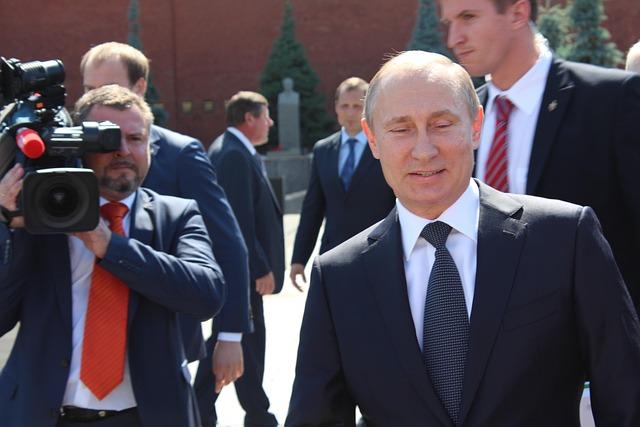
In response to escalating assassination fears, Russian President Vladimir Putin has significantly increased his security measures, reportedly retreating to heavily fortified bunkers. According to recent reports, the Kremlin has intensified protection protocols around the president amid growing concerns over his safety. This development underscores the heightened tensions within Russia’s political landscape as fears of potential threats continue to mount.
Russia Enhances Presidential Security Measures Amid Rising Threat Perceptions
In response to escalating intelligence reports indicating potential assassination plots, Russian authorities have reportedly intensified security protocols surrounding President Vladimir Putin. The measures include the expansion of a network of underground bunkers, with the president increasingly limiting his public appearances to secure locations previously undisclosed. Sources suggest that these fortified shelters are equipped with state-of-the-art communication and defense systems designed to offer seamless protection against a wide range of threats.
Key security enhancements include:
- An increased presence of elite security personnel specialized in counterterrorism and close protection.
- Advanced surveillance technology deployed around known presidential residences and transit routes.
- Stringent access controls and comprehensive vetting processes for individuals in proximity to the president.
These steps reflect Moscow’s heightened vigilance amid a turbulent geopolitical climate, where internal and external adversaries are perceived to be more aggressive in targeting high-profile figures. Kremlin insiders emphasize that while these protective measures are unprecedentedly robust, maintaining operational secrecy remains a top priority to prevent any compromise of presidential safety.
Putin’s Strategic Retreat to Underground Bunkers Signals Heightened Risk Environment
Russian authorities have escalated security measures around President Vladimir Putin, with multiple reports indicating his increased reliance on underground bunkers as a precautionary response to emerging assassination threats. The move reflects a palpable sense of vulnerability within the Kremlin, as intelligence agencies reportedly heighten surveillance and tighten protective protocols to counteract possible risks to the nation’s leadership. This strategic repositioning underscores the complex web of internal and external pressures facing Russia amid ongoing geopolitical tensions.
The president’s shift from traditional venues to fortified subterranean locations highlights several key developments:
- Enhanced security detail: Deployment of specialized units trained to operate in confined, secure environments.
- Restricted public appearances: A noticeable decline in open engagements, replaced by controlled, heavily monitored settings.
- Advanced communication safeguards: Implementation of cutting-edge technology to maintain command continuity under any scenario.
These measures point to a calculated effort by Kremlin insiders to safeguard Putin amid a volatile and unpredictable risk environment, signaling heightened alertness within the highest echelons of Russian power.
Experts Recommend Increased Intelligence Coordination to Mitigate Assassination Dangers
Amid rising concerns over the security of high-profile political figures, analysts emphasize the urgent need for enhanced intelligence collaboration both within Russia and on the international stage. Experts argue that fragmented information sharing and siloed operations significantly increase vulnerabilities, especially given the evolving tactics used by assassination actors. Strengthening communication channels between military, domestic security agencies, and foreign intelligence services can provide a more comprehensive understanding of emerging threats and enable preemptive countermeasures.
Key recommendations include:
- Establishing centralized intelligence hubs to consolidate real-time data and actionable insights.
- Implementing joint task forces to monitor and respond swiftly to credible assassination plots.
- Enhancing technological surveillance tools and cyber intelligence capabilities to uncover covert operations.
- Fostering international partnerships for cross-border threat analysis and rapid information exchange.
These coordinated efforts are critical in an era where unconventional warfare and covert attacks pose unprecedented risks to global leaders. Only through unified intelligence frameworks can potential assassination threats be effectively neutralized before they escalate into catastrophic incidents.
In Conclusion
As concerns over President Vladimir Putin’s security intensify, reports of heightened protective measures and his retreat to underground bunkers underscore the Kremlin’s deepening anxiety amid ongoing geopolitical tensions. While official statements remain scarce, the developments signal a cautious posture as Russia navigates a complex and volatile domestic and international landscape. Observers will be closely monitoring how these security adjustments impact the country’s political stability in the coming weeks.