
Spain: Recovery, Tourism, And The Challenge Of Sustainable Growth
As Spain emerges from the economic and social upheavals of recent years, the nation finds itself at a critical juncture. Tourism, a cornerstone of the Spanish economy, is rebounding strongly, fueling hopes for sustained recovery. Yet, alongside this revival lies an urgent question: how can Spain balance robust growth with the pressing need for environmental sustainability and social responsibility? This article delves into the dynamics of Spain’s recovery, the revival of its pivotal tourism sector, and the multifaceted challenges the country faces in pursuing long-term, sustainable development.
Spain’s Tourism Rebound Fuels Economic Recovery Amid Global Uncertainty
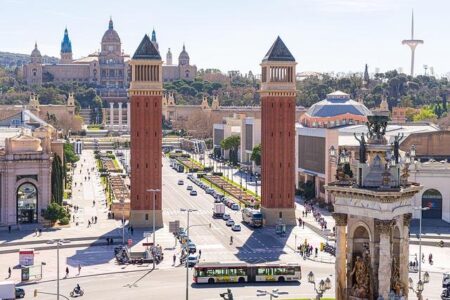
After a steep decline in visitor numbers during the peak of the global crisis, Spain’s tourism sector is staging a robust comeback, significantly bolstering the nation’s economic landscape. Key hotspots such as Barcelona, Madrid, and the Balearic Islands report visitor influxes nearing pre-pandemic levels, driven by pent-up travel demand and loosened international restrictions. This rejuvenation has sparked job creation across hospitality, transportation, and cultural sectors, providing a much-needed boost to local economies still grappling with uncertainty. Moreover, government initiatives aimed at promoting domestic tourism have complemented this revival, enabling a more resilient and diversified tourism framework.
However, challenges persist as Spain grapples with ensuring sustainable growth amid this rebound:
- Balancing increased tourist activity with environmental preservation efforts
- Investing in infrastructure upgrades to handle surging visitor numbers without straining public services
- Addressing labor shortages intensified by sector-specific demands
- Promoting off-season travel to mitigate overtourism during peak months
The collective effort from policymakers, industry leaders, and local communities will be crucial in molding a tourism model that not only drives economic recovery but also preserves Spain’s cultural heritage and natural beauty for future generations.
Balancing Growth and Conservation The Urgent Need for Sustainable Tourism Policies
Spain’s tourism sector, a cornerstone of the nation’s economy, is at a crossroads. While the resurgence in visitor numbers post-pandemic signals a much-needed economic recovery, the environmental and social costs of unchecked growth are becoming increasingly clear. Coastal regions and historic cities face pressure from overcrowding, pollution, and resource depletion, threatening both local communities and the natural heritage that draws millions each year. Policymakers are now tasked with forging a balanced strategy that promotes sustainable tourism without stifling economic opportunity. This involves crafting policies that prioritize the protection of ecosystems, support for local businesses, and preservation of cultural identity.
Key to this approach are measures such as:
- Implementing strict visitor caps in overburdened destinations;
- Promoting off-season and rural tourism to distribute economic benefits more evenly;
- Investing in green infrastructure, including renewable energy and waste management systems;
- Engaging local communities to foster greater participation and equitable development.
Without robust intervention, the risk of irreversible damage looms large, potentially undermining Spain’s long-term tourism viability and economic stability. Sustainable growth is not simply an environmental imperative-it is essential to preserving Spain’s global reputation as a premier tourist destination.
Innovative Strategies and Community Involvement Key to Spain’s Long-Term Prosperity
As Spain positions itself for a sustainable future, local governments and private sectors are spearheading initiatives that blend innovation with grassroots engagement. New policies focus on integrating advanced technologies like smart grids and renewable energy solutions within regional development plans, promoting efficiency while reducing environmental impact. Simultaneously, community-driven projects-ranging from urban regeneration to conservation efforts-are fostering a shared sense of responsibility that empowers citizens to take active roles in shaping their surroundings. This dual approach marks a significant shift from traditional top-down economic models, underpinning Spain’s resilience amid evolving global challenges.
The success of these strategies hinges on several key factors:
- Collaboration across sectors: Public-private partnerships are vital in pooling resources and expertise to implement scalable solutions.
- Inclusive development: Engaging diverse communities ensures that growth benefits are equitably distributed, reducing social disparities.
- Education and skill-building: Investments in training programs prepare the workforce for emerging industries, particularly in green technologies and sustainable tourism.
By nurturing these pillars, Spain aims not only to revive its economy but also to secure a lasting quality of life for future generations, setting a benchmark for sustainable prosperity in the European context.
Key Takeaways
As Spain navigates the complexities of post-pandemic recovery, the interplay between revitalized tourism and the imperative for sustainable growth remains at the forefront of national discourse. While the rebound in visitor numbers offers promising economic prospects, policymakers and industry leaders are increasingly tasked with balancing immediate recovery efforts against long-term environmental and social considerations. The coming months will be critical in determining whether Spain can harness its tourism resurgence as a catalyst for resilient and responsible development, setting a precedent for other nations grappling with similar challenges. The Daily Scrum News will continue to monitor these evolving dynamics closely.