
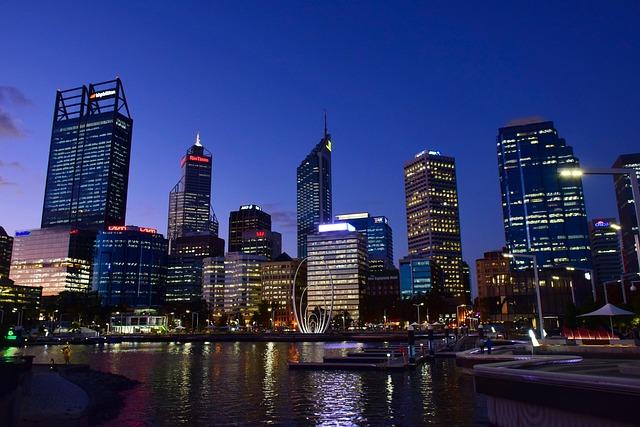
As Western Australia charts its energy future, questions loom over whether the state will be “cooking with gas” in the 2030s. With global momentum building towards decarbonization and a growing emphasis on renewable energy sources, the role of traditional natural gas in powering homes and industries is under scrutiny. A recent report by the Institute for Energy Economics and Financial Analysis (IEEFA) examines the economic and environmental viability of maintaining gas infrastructure versus accelerating the shift to cleaner alternatives. This analysis sheds light on the challenges and opportunities facing Western Australia as it navigates the complex transition in its energy landscape ahead of the next decade.
Western Australia’s gas future at a crossroads amid global energy transition
Western Australia stands at a pivotal junction as global momentum shifts towards cleaner and more sustainable energy sources. The state, long reliant on its abundant natural gas reserves for domestic use and export, faces growing pressure to align its energy policies with international climate commitments. While gas remains a cornerstone of its economy and energy security, emerging technologies and increasing investment in renewables challenge its dominance. Key players within the industry and government are debating whether new gas projects should move forward or if focus should pivot entirely towards phased decarbonisation strategies.
The conversation is complicated by several factors shaping the state’s energy landscape:
- Global market volatility: Fluctuations in gas prices and demand due to geopolitical tensions and economic shifts.
- Technological advancements: Breakthroughs in hydrogen production and storage offer potential alternatives to conventional gas.
- Policy frameworks: Increasingly stringent emissions targets may limit future gas infrastructure investment.
- Community sentiment: Growing environmental awareness among Western Australians fuels advocacy for cleaner energy solutions.
As Western Australia navigates these crossroads, the choices made today will significantly influence whether the state can sustainably “cook with gas” through the next decade or transition more fully to a renewable energy future.
Assessing the economic and environmental impact of continued gas reliance
Western Australia’s continued dependence on natural gas presents a complex economic challenge in the face of shifting global energy markets and mounting climate commitments. While gas has historically been a reliable driver of regional growth, its price volatility and infrastructure costs are increasingly straining both government budgets and consumer affordability. The uncertainty surrounding future export demand, especially from Asian markets transitioning to cleaner alternatives, further complicates long-term investment decisions. Experts warn that without strategic diversification, the state risks being locked into aging assets that may become economically obsolete well before their expected lifespans.
The environmental costs are equally pressing. Ongoing gas extraction and combustion contribute significantly to greenhouse gas emissions, conflicting with Western Australia’s pledged emissions reduction targets. Additionally, the ecological footprint from drilling operations threatens fragile ecosystems, while methane leakage-a potent climate pollutant-remains a concern throughout the supply chain. Transitioning away from gas not only aligns with climate imperatives but also opens opportunities to develop renewable infrastructure, fostering sustainable job creation and energy resilience.
- Rising operational costs linked to aging gas infrastructure
- Potential for stranded assets amid global energy transition
- Emissions trajectory incompatible with Paris Agreement goals
- Ecological risks from expanded gas exploration activities
- Opportunities in renewable energy investments and technology innovation
Strategic recommendations for a sustainable and resilient energy pathway
To ensure Western Australia’s energy future is both sustainable and resilient, policymakers must accelerate investment in renewable energy infrastructure while simultaneously phasing out reliance on fossil fuels. This means prioritizing the expansion of solar, wind, and battery storage projects that reduce emissions and provide grid stability. Additionally, embracing innovative technologies such as green hydrogen and power-to-gas solutions can diversify the energy mix and create new economic opportunities. Equally important is the enhancement of energy efficiency standards across residential, commercial, and industrial sectors to curb demand and improve overall system reliability.
Collaborative governance frameworks will be essential for integrating these technologies effectively. Stakeholders, including government bodies, private sector participants, and Indigenous communities, must engage in transparent planning and decision-making processes. Key strategic actions include:
- Implementing robust climate-aligned regulatory policies
- Supporting workforce transition programs to prepare for the green energy economy
- Deploying smart grid technologies to optimize energy distribution and minimize outages
- Encouraging decentralization through community-owned renewable projects
Such a multi-faceted approach will be critical for Western Australia to navigate the complexities of energy transition while safeguarding economic growth and environmental stewardship.
Insights and Conclusions
As Western Australia charts its energy future, the question remains whether gas will continue to play a central role in the state’s power mix or be eclipsed by newer, cleaner technologies. The coming decade promises critical decisions as policymakers, industry leaders, and communities weigh the economic benefits of gas against mounting climate commitments and the accelerating shift toward renewables. What unfolds in the 2030s will not only shape Western Australia’s energy landscape but also set a precedent for balancing growth with sustainability in a rapidly changing global energy market.