
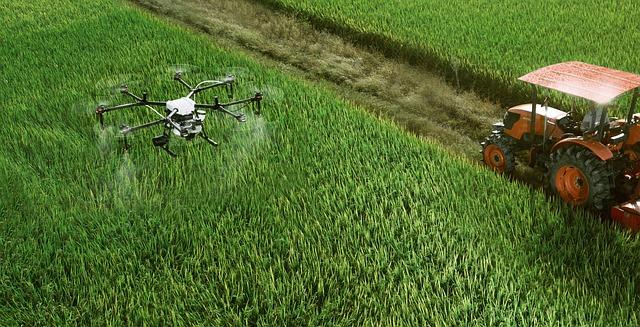
As artificial intelligence (AI) rapidly transforms the agricultural sector worldwide, Canadian farmers face unique challenges in accessing and benefiting from these cutting-edge technologies. Achieving the vision of “AI for all” in agriculture requires more than just technological innovation-it demands a coordinated, regional, and systems-level approach tailored to the diverse landscapes and farming practices across Canada. This article examines how systemic changes at the regional level are essential to ensure that AI solutions are inclusive, effective, and sustainable for Canadian agriculture’s future.
Regional Disparities Challenge Equitable AI Adoption in Canadian Agriculture
Across Canada, disparities in infrastructure, access to technology, and local expertise are creating substantial barriers for equitable AI integration in agriculture. Farmers in remote and northern regions often face limited broadband connectivity, which is essential for deploying advanced AI tools like precision crop monitoring and automated machinery. Additionally, these areas tend to lack training programs tailored to local farming practices, leaving many producers unequipped to adopt and benefit from emerging technologies. As a result, the digital divide threatens to widen the gap between well-resourced agricultural hubs and more isolated communities, undermining the potential for nationwide productivity gains and sustainability improvements.
Addressing these challenges requires more than isolated interventions; it calls for coordinated, systems-level strategies that consider regional differences and foster inclusive innovation. Policymakers and industry stakeholders must prioritize:
- Investment in rural broadband infrastructure to ensure consistent connectivity across all farming regions.
- Development of localized AI training and support networks to equip farmers with the skills necessary to utilize technology effectively.
- Collaboration among governments, technology providers, and farmers to co-create solutions that resonate with diverse agricultural contexts.
By embracing these multi-faceted approaches, Canada can move closer to realizing a future where AI empowers every corner of its agricultural landscape, fostering resilience and growth nationwide.
Building Collaborative Ecosystems to Support Systems-Level Agricultural Innovation
Canada’s agricultural future hinges on the ability to foster collaborative ecosystems that bring together farmers, researchers, technology developers, and policymakers. Rather than deploying isolated AI tools, this approach emphasizes interconnected networks where knowledge flows freely across disciplines and regions. Such ecosystems enable the tailoring of AI solutions to local environmental conditions and farming practices, ensuring innovations are practical, adaptable, and equitable. By prioritizing collaboration over competition, stakeholders can accelerate the development and adoption of technologies that address systemic challenges such as soil health, pest management, and climate resilience.
Key elements driving this transformation include:
- Regional innovation hubs that cultivate partnerships between academia, industry, and agricultural communities.
- Shared data platforms promoting transparency and collective problem-solving.
- Policy frameworks designed to incentivize cross-sector cooperation and sustainability.
By embracing a systems-level perspective, Canada can empower its farmers to harness AI not simply as a tool, but as a catalyst for holistic agricultural renewal that benefits ecosystems and economies alike.
Policy Recommendations for Inclusive and Scalable AI Integration on Canadian Farms
To pave the way for equitable AI adoption across Canada’s diverse agricultural landscape, policymakers must prioritize localized solutions that reflect regional farming realities. This means investing in tailored extension services that provide farmers with hands-on training and support, ensuring technologies are not only accessible but also practical within specific climatic, soil, and crop contexts. Additionally, robust infrastructure development-such as expanding rural broadband and enhancing data connectivity-will be critical to overcoming the digital divide that currently limits many farms from fully engaging with AI-driven innovations.
Beyond infrastructure, fostering a collaborative ecosystem will enable scalable AI integration while safeguarding the interests of small and medium-sized farms. Key recommendations include:
- Supporting open-data initiatives to democratize access to agricultural insights, enabling farmers to make data-informed decisions without prohibitive costs.
- Encouraging public-private partnerships that align technology providers with farmer organizations to co-design user-friendly tools.
- Implementing policies that address ethical considerations in AI use, such as data privacy, ownership, and algorithmic transparency.
Through these measures, Canada can catalyze a transformative shift toward an inclusive, system-wide AI ecosystem that empowers all farmers regardless of scale or location.
Concluding Remarks
Achieving “AI for all” in Canadian agriculture hinges on more than just adopting new technologies; it requires coordinated, region-specific strategies and systemic changes across the sector. As farmers grapple with diverse climatic conditions and resource challenges, tailored AI solutions must be integrated within broader agricultural systems to ensure equitable access and tangible benefits. Policymakers, industry stakeholders, and communities alike have a critical role to play in fostering collaboration and infrastructure development. Without such regional, systems-level approaches, the promise of AI in transforming Canada’s farms risks remaining out of reach for many.