
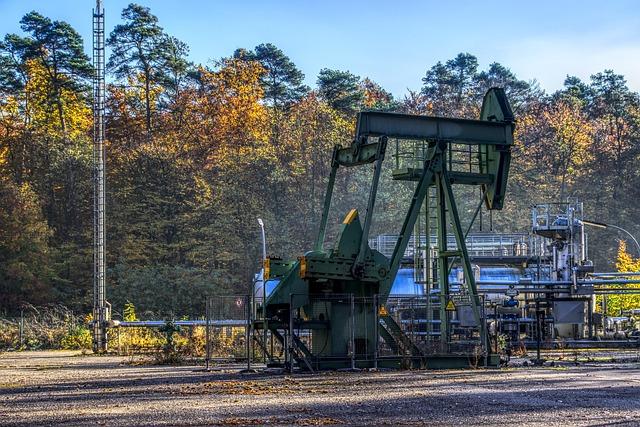
Japan’s May crude oil import price surged to a record high in yen terms, driven by escalating tensions in the Middle East, Reuters reports. The conflict in the region has intensified global supply concerns, pushing up energy costs for Japan, one of the world’s largest oil importers. This unprecedented rise marks a significant challenge for the country’s energy market and economic outlook amid already volatile global oil prices.
Japan Faces Record High Crude Import Costs as Middle East Conflict Disrupts Supply Chains
In May, Japan’s crude oil import prices surged to an unprecedented level when measured in yen, reflecting the profound impact of escalating tensions in the Middle East. The conflict has severely disrupted established supply chains, compelling Japanese importers to pay significantly more as they scramble to secure alternative sources amid tightening global markets. Analysts note that the weakening yen against the dollar has further magnified costs, amplifying the financial strain on Japan’s energy sector and broader economy.
Key factors contributing to the spike include:
- Supply interruptions: Conflict-related blockades and reduced output from key Middle Eastern producers.
- Currency volatility: Depreciation of the yen increasing import expenses in local currency terms.
- Heightened global demand: Competing buyers worldwide intensifying pressure on crude availability.
As Japan navigates these challenges, energy officials explore diversified procurement strategies and engage in strategic reserves management to mitigate future shocks, underscoring the fragility of energy security amid geopolitical unrest.
Impact of Rising Yen-Denominated Oil Prices on Japan’s Energy Sector and Economy
The surge in crude oil prices denominated in yen has dealt a significant blow to Japan’s energy sector, intensifying the financial strain on already stretched supply chains. As the yen weakened against the dollar amid geopolitical tensions in the Middle East, import costs surged, driving Japan’s crude import price to an unprecedented high in May. This spike has translated into increased operational expenses for domestic refineries and energy companies, forcing a re-evaluation of pricing strategies and budget allocations. The ripple effects are being felt beyond the energy sector, with industries dependent on stable fuel supplies confronting higher transportation and production costs.
Economic observers warn that prolonged elevated oil prices could exacerbate inflationary pressures across the country, impacting consumer spending and broader economic recovery efforts. Key challenges facing Japan include:
- Rising production costs for industries reliant on oil-based energy or raw materials.
- Increased fuel prices at the consumer level, reducing disposable income.
- Greater fiscal pressure on government subsidies and energy policies aimed at stabilizing markets.
- Heightened urgency to accelerate alternative energy adoption and reduce import dependence.
With energy procurement costs climbing amid an unstable geopolitical landscape, Japan’s economic resilience will be tested in the coming months as policymakers and businesses navigate these complexities.
Strategic Measures Recommended for Japan to Mitigate Energy Price Volatility and Ensure Supply Security
In response to the soaring crude import prices driven by geopolitical tensions in the Middle East, Japan must pivot towards a multi-faceted approach that balances immediate relief with long-term resilience. Prioritizing diversification of energy sources is critical; this includes expanding liquefied natural gas (LNG) procurement from alternative suppliers beyond the Persian Gulf and accelerating investments in renewable energy infrastructure such as solar, wind, and hydrogen. Furthermore, the government should enhance strategic petroleum reserves, ensuring quicker access to emergency supplies during market disruptions. Strengthening international partnerships can also play a vital role in securing stable energy trade routes and mitigating supply chain risks.
Key strategic initiatives recommended for implementation:
- Incentivize private sector investment in renewable energy projects to reduce fossil fuel dependency.
- Develop advanced energy storage technologies to stabilize supply despite market fluctuations.
- Enhance energy efficiency standards across industries and transportation to curb overall demand.
- Promote regional cooperation in Asia for shared energy security frameworks and emergency response mechanisms.
- Implement fiscal measures to buffer consumers and businesses from abrupt price spikes.
Wrapping Up
As Japan grapples with soaring crude import costs amid ongoing Middle East tensions, the economic implications remain closely watched by policymakers and industry stakeholders alike. With energy prices reaching unprecedented levels in yen terms, the challenge of balancing supply security and inflationary pressures will continue to shape Japan’s energy strategy in the months ahead.