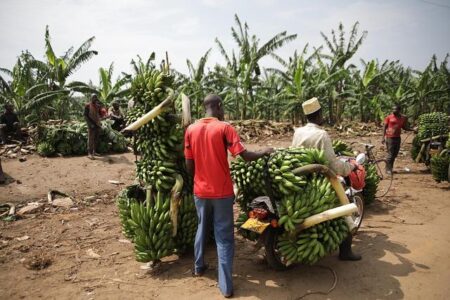

India is grappling with a delayed monsoon season that has left both urban centers and agricultural regions reeling from severe water shortages. As the rains arrive late and erratically, cities are facing acute water stress while farmers contend with parched fields at a critical time for crop cultivation. The disruption of the monsoon, a lifeline for millions, is raising concerns over food security and urban water management across the country. This article examines the impact of India’s late monsoon rains and the challenges ahead.
India’s Late Monsoon Delays Threaten Urban Water Supplies and Agricultural Yields
Across several regions in India, the monsoon’s delayed progression is exerting mounting pressure on both urban and rural communities. Major cities are experiencing dwindling water reserves as reservoir levels dip below critical thresholds, forcing municipal authorities to implement stringent water rationing measures. This scarcity is disrupting daily life, challenging public health systems, and threatening industrial operations dependent on steady water supplies. Meanwhile, the extended dry spell is inflating concerns about the sustainability of groundwater extraction, potentially accelerating long-term depletion.
Farmers, the backbone of India’s economy, face mounting uncertainty as sowing seasons are pushed back and soil moisture remains insufficient for crop germination. Key agricultural zones report delayed planting of rice and pulses, crops intrinsically linked to the monsoon’s timely arrival. The repercussions extend beyond immediate yield losses, affecting food security and rural livelihoods. Key challenges include:
- Delayed irrigation schedules due to low river flows and reservoir deficits
- Increased reliance on costly groundwater pumping, raising production costs
- Heightened risk of crop failure, threatening farmer incomes and regional food supplies
Experts Warn of Heightened Drought Risks and Economic Impact Across Key Farming Regions
Across India’s vital agricultural belt, delayed and insufficient monsoon showers have sparked alarm among experts who emphasize the escalating risk of severe drought conditions. As reservoirs shrink and groundwater levels plummet, farmers face unprecedented challenges in irrigating crops, potentially leading to sharp declines in yields. The situation threatens not only local food security but also regional economies that depend heavily on agriculture as a primary source of income and employment.
Key concerns highlighted by specialists include:
- Reduced output of staple crops such as rice, wheat, and pulses, impacting supply chains and commodity prices.
- Increased financial strain on smallholder farmers, many of whom lack access to adequate drought relief and credit support.
- Potential for job losses within rural communities reliant on farm labor.
- Heightened risk of migration as families seek opportunities in urban centers, further burdening city infrastructure.
Authorities are urged to implement immediate water conservation policies and long-term climate adaptation strategies to mitigate cascading economic effects and preserve the livelihoods of millions dependent on timely monsoon rains.
Calls for Immediate Policy Action to Improve Water Management and Support Farmer Resilience
Experts and agricultural advocates are urgently urging the government to implement comprehensive reforms aimed at enhancing water conservation and distribution systems. With delayed monsoon rains severely disrupting irrigation cycles, the agricultural sector faces unprecedented stress, threatening food security and farmer livelihoods. Key demands focus on investing in sustainable water infrastructure, expanding rainwater harvesting projects, and promoting efficient irrigation technologies such as drip and sprinkler systems to reduce water wastage.
Farmers’ groups and environmentalists stress the necessity of:
- Establishing robust water monitoring frameworks to ensure equitable access during drought periods.
- Creating financial support mechanisms, including crop insurance and emergency relief funds tailored to climate variability.
- Encouraging diversification of crops to more drought-resistant varieties to build long-term resilience.
- Enhancing community-led water management initiatives to foster local stewardship and rapid response capabilities.
Without immediate and decisive policy interventions, the cascading effects of water scarcity risk further exacerbating rural distress and urban water shortages, underscoring the critical intersection between environmental management and socio-economic stability.
Concluding Remarks
As India grapples with the consequences of its delayed monsoon rains, the challenges facing both urban centers and agricultural regions continue to mount. With reservoirs running low and crops at risk, the need for effective water management and contingency planning has never been more urgent. Authorities and communities alike must now navigate the complex task of mitigating the drought’s impact while preparing for future climate uncertainties. The late monsoon serves as a stark reminder of the delicate balance between nature and human resilience in one of the world’s most populous nations.