
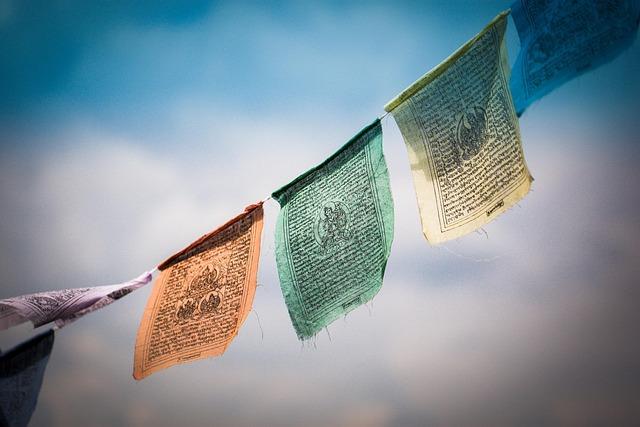
A Tibetan man died Wednesday in New York City after setting himself on fire in a protest against Chinese policies in Tibet, authorities confirmed. The self-immolation, which took place near a busy public area, has drawn renewed attention to the ongoing tensions between Tibetan activists and the Chinese government. This latest act of desperation highlights the continuing struggle for Tibetan rights and autonomy, resonating deeply within both the local community and the international audience.
Tibetan Activist’s Self-Immolation in New York Sparks Global Outcry
In a tragic act of protest, a Tibetan activist set himself on fire outside the United Nations headquarters in New York City, drawing immediate attention to the ongoing political and cultural repression in Tibet. Witnesses describe the scene as chaotic, with emergency responders rushing to the site in an attempt to save the man’s life. Despite their efforts, he succumbed to his injuries hours later. The protest has ignited a wave of sorrow and anger, with human rights groups and governments worldwide condemning the circumstances that led to such a desperate act.
Key reactions to the incident include:
- Tibetan exile organizations calling for increased international pressure on China to respect Tibetan autonomy and human rights.
- Global activists planning vigils and demonstrations to honor the protester and amplify the message he sought to convey.
- Political leaders urging peaceful dialogue while emphasizing the urgency of addressing Tibet’s plight.
This heartbreaking event underscores persistent tensions and the lengths to which individuals will go to make their voices heard on the world stage.
Examining the Political and Human Rights Implications of the Protest
The self-immolation of the Tibetan man in New York reverberates far beyond the immediate tragedy, highlighting enduring tensions between political expression and state repression. This act serves as a stark reminder of the ongoing struggle for Tibetan autonomy and the broader human rights issues that persist under Chinese governance. International observers have criticized both the Chinese government’s policies in Tibet and the limited response from global powers, which many argue have been hesitant to confront Beijing due to geopolitical and economic considerations.
Key implications include:
- Escalation of global attention on the Chinese government’s treatment of ethnic minorities and political dissidents.
- Increased pressure on Western governments to balance diplomatic relations with advocacy for human rights.
- Potential influence on grassroots activism, inspiring further protests and calls for policy reforms.
- Intensification of debates regarding freedom of expression and the right to peaceful protest within diaspora communities.
As the world watches, this tragic event underscores the complex interplay between state sovereignty, international human rights norms, and the voices of marginalized populations demanding justice and recognition.
Calls for Increased Dialogue and Policy Action to Address Tibetan Grievances
The tragic death of the Tibetan man following his self-immolation protest has reignited urgent pleas from activists and community leaders worldwide. They emphasize the need for enhanced communication channels between Tibetan representatives and governmental authorities to address longstanding grievances that have fueled unrest. Several advocacy groups have outlined key concerns demanding immediate attention:
- Preservation of cultural identity: Safeguarding Tibetan language, traditions, and religious practices.
- Human rights protections: Combating systematic abuses and ensuring freedom of expression.
- Political autonomy: Recognizing and respecting Tibetan self-governance within existing frameworks.
In light of these issues, policymakers are being urged to enact substantive reforms that go beyond symbolic gestures. Experts argue that without meaningful dialogue and concrete policy measures, further acts of desperation may occur, jeopardizing social stability and human dignity alike. The call resonates not only within Tibetan communities but also among international observers dedicated to peaceful conflict resolution and justice.
Closing Remarks
The tragic death of the Tibetan man following his self-immolation protest in New York underscores the ongoing struggles faced by Tibetans worldwide and highlights the lengths to which individuals are willing to go to draw attention to their cause. As the international community continues to grapple with issues of human rights and political freedoms, this incident serves as a poignant reminder of the profound sacrifices made in the pursuit of justice and autonomy. Further developments and responses from authorities and advocacy groups are expected in the coming days.