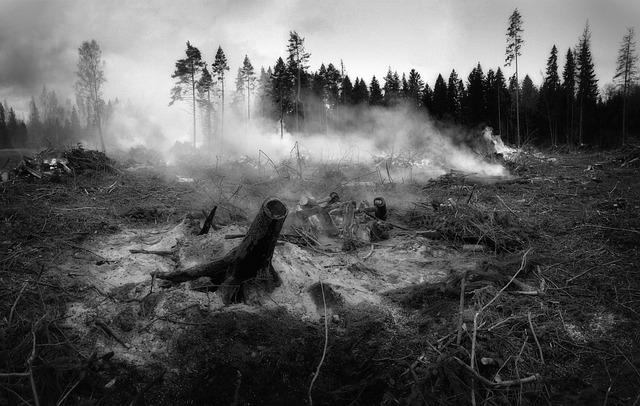
Smoke from the extensive wildfires ravaging parts of Canada has drifted southward, significantly affecting air quality across New Hampshire. Residents across the state have reported hazy skies and a noticeable smoky odor, prompting health officials to issue cautions for sensitive groups. The thick plumes, carried by prevailing winds, serve as a stark reminder of the growing intensity of wildfires in the region and their far-reaching environmental impacts. WMUR continues to monitor the situation, providing updates on air quality advisories and safety recommendations for New Hampshire communities.
Smoke from Canada Wildfires Creates Unhealthy Air Conditions Across New Hampshire
Air quality in New Hampshire has taken a significant hit as smoke from wildfires raging in Canada drifts southward, blanketing the region in a hazy layer of particulate matter. Residents are reporting visible smoke throughout the day, accompanied by a noticeable odor lingering in the air. Health experts have issued warnings, emphasizing that the elevated levels of airborne pollutants could pose risks, particularly to vulnerable groups such as children, the elderly, and individuals with respiratory conditions.
Authorities recommend taking the following precautions to minimize health impacts:
- Limit outdoor activities, especially strenuous exercise, during peak smoke conditions.
- Keep windows and doors closed to reduce indoor smoke infiltration.
- Utilize air purifiers where possible to maintain cleaner indoor air quality.
- Consult healthcare providers if experiencing symptoms such as coughing, wheezing, or difficulty breathing.
Health Officials Advise Residents to Limit Outdoor Activities and Use Air Purifiers
Health authorities have issued warnings as smoke originating from the extensive wildfires in Canada continues to envelop parts of New Hampshire. Residents are strongly encouraged to minimize time spent outside, particularly those with respiratory conditions, young children, and the elderly. The dense, lingering haze poses significant risks due to elevated levels of fine particulate matter, which can exacerbate asthma, bronchitis, and other lung diseases. Outdoor events and strenuous activities should be postponed or avoided until air quality improves.
To mitigate the impact of the poor air quality indoors, officials recommend the following measures:
- Use high-efficiency air purifiers in living spaces to filter out harmful particles.
- Keep windows and doors closed during peak smoke hours to prevent indoor pollution.
- Avoid using devices like candles or fireplaces that may further degrade air quality.
- Monitor local air quality reports regularly for updates and safety guidelines.
These precautions are vital to protect community health until the wildfire smoke dissipates and conditions return to normal.
Environmental Impact and Ongoing Efforts to Monitor Air Quality Amid Wildfire Smoke
The widespread presence of wildfire smoke originating from Canada’s recent blazes has raised significant environmental concerns across New Hampshire. Elevated levels of particulate matter and harmful pollutants in the atmosphere not only degrade air quality but also pose health risks to residents, especially those with respiratory conditions. The smoke’s impact extends beyond the immediate region, disrupting ecosystems and potentially affecting wildlife habitats due to decreased visibility and altered air composition.
In response, state and local agencies have ramped up their efforts to monitor affected areas closely. Advanced air quality sensors have been deployed across various communities to provide real-time data, enabling swift public advisories when conditions deteriorate. Residents are encouraged to stay informed through official channels and take precautionary measures such as limiting outdoor activities during peak pollution hours. Among ongoing initiatives are:
- Collaboration with federal environmental agencies to track smoke dispersion patterns;
- Public education campaigns emphasizing the importance of indoor air safety;
- Distribution of particulate-filtering masks to vulnerable populations;
- Implementation of emergency response protocols for sudden air quality alerts.
Insights and Conclusions
As the smoke from the Canadian wildfires continues to drift across New Hampshire, residents are urged to stay informed about air quality updates and take necessary precautions, particularly those with respiratory conditions. Authorities remain vigilant in monitoring the situation, emphasizing the importance of preparedness as the region navigates the ongoing impact of these distant fires. WMUR will continue to provide timely coverage as new developments arise.