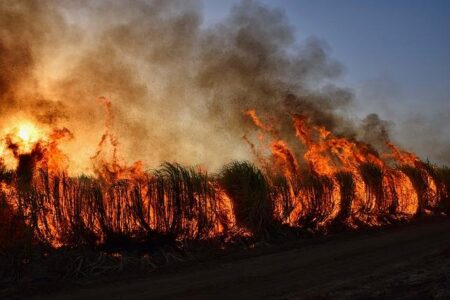

Severe weather extremes are converging across North America, as Texas grapples with devastating floods, Canada battles pervasive wildfire smoke, and much of the Western United States endures intense heatwaves. This trio of environmental crises is straining emergency response systems, disrupting communities, and raising concerns about climate resiliency. Bloomberg examines the unfolding impacts of these concurrent disasters and the challenges they pose for policymakers and residents alike.
Texas Floods Devastate Communities as Emergency Services Struggle to Respond
Torrential rains have caused widespread flooding across numerous Texas communities, overwhelming local infrastructure and leaving thousands displaced. Emergency responders are stretched thin, grappling with impassable roads, downed power lines, and rapidly rising waters that threaten residential neighborhoods and critical facilities alike. The National Guard has been mobilized to assist with rescues and deliver essential supplies, but coordination remains challenging as conditions continue to deteriorate. Residents are being urged to seek higher ground and heed evacuation orders as the situation remains fluid and unpredictable.
The devastation extends beyond immediate physical damage, with power outages affecting hospitals and communication networks, further complicating response efforts. Local authorities have highlighted several urgent priorities:
- Rapid deployment of rescue teams to trapped individuals
- Establishment of emergency shelters to house displaced families
- Restoration of critical infrastructure such as power and water services
- Assessment of damage to transportation routes to facilitate relief delivery
As the state battens down for more heavy rainfall, officials warn that the worst may still be ahead, calling for community solidarity and resilience in the face of mounting adversity.
Canada Wildfire Smoke Creates Unhealthy Air Across US Cities, Health Officials Urge Precautions
As smoke from wildfires raging in Canada drifts into the United States, major cities including New York, Chicago, and Washington D.C. are experiencing significantly reduced air quality. Health officials are sounding alarms over elevated levels of particulate matter, which can aggravate respiratory conditions and pose serious risks to sensitive groups such as children, the elderly, and those with preexisting health issues. Authorities are urging residents to take protective measures, especially on days when the air quality index (AQI) reaches unhealthy levels.
Recommendations from public health departments emphasize the importance of:
- Limiting outdoor activities, particularly strenuous exercise.
- Keeping windows and doors closed to prevent smoke intrusion indoors.
- Using air purifiers or staying in air-conditioned spaces when possible.
- Wearing masks if outdoor exposure is unavoidable, especially for vulnerable individuals.
With the wildfire smoke expected to persist due to ongoing fires and shifting winds, monitoring local air quality levels remains crucial for safeguarding public health in urban areas across the eastern and midwestern United States.
Western Heat Wave Intensifies Drought Conditions, Experts Recommend Water Conservation Measures
The ongoing heat wave gripping the western United States has exacerbated already severe drought conditions, leading to growing concerns among climatologists and local authorities. Reservoir levels have dropped to historic lows, and widespread vegetation stress is contributing to heightened wildfire risks across multiple states. Experts emphasize the urgent need for residents and businesses to adopt sustainable water usage practices to mitigate the impact on communities and ecosystems. Typical measures recommended include:
- Limiting outdoor water use such as lawn irrigation and car washing
- Fixing leaks promptly in household plumbing systems
- Utilizing drought-resistant landscaping techniques
- Implementing community-wide water rationing programs where necessary
With weather forecasts predicting little relief in the coming weeks, state agencies are coordinating efforts to monitor water resources and distribute conservation guidelines. Public awareness campaigns are also underway to foster cooperation and resilience as the region faces an increasingly challenging climate outlook. Authorities warn that without immediate and collective action, the strained water supply could have far-reaching consequences for agriculture, urban centers, and natural habitats alike.
Insights and Conclusions
As extreme weather events continue to challenge communities across the United States, the convergence of Texas floods, Canadian wildfire smoke, and intense heat in the West underscores the growing complexity of climate-related risks. Experts warn that without significant mitigation efforts and adaptive strategies, such environmental crises may become more frequent and severe. Policymakers and residents alike face mounting pressure to address these interconnected threats to safeguard public health, infrastructure, and economic stability in the months ahead.