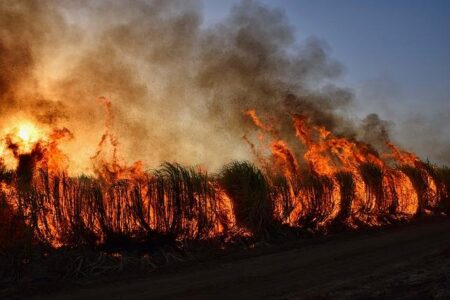

Widespread wildfire smoke is degrading air quality across a vast stretch of the United States, from the Midwest to the East Coast, prompting health warnings and stay-at-home advisories from officials. The thick haze, carried by shifting winds from active fires in the western US and Canadian provinces, has caused unhealthy air conditions in numerous major cities, raising concerns about respiratory health and safety. Authorities are urging residents to limit outdoor activities and take precautions as the smoky skies persist.
Wildfire Smoke Spreads Across US Midwest to East Coast Impacting Air Quality
Thick plumes of wildfire smoke, originating from multiple large fires in the western United States, have drifted eastward, severely impacting air quality across a vast swath of the country. Cities from the Midwest stretching all the way to the East Coast are experiencing elevated levels of particulate matter, prompting health officials to issue warnings for vulnerable populations, including children, the elderly, and those with respiratory conditions. The Environmental Protection Agency (EPA) has reported air quality index (AQI) readings in many metropolitan areas reaching “Unhealthy” and “Very Unhealthy” categories, signaling a dangerous environment for outdoor activities.
Authorities urge residents to:
- Limit outdoor exposure, especially during peak smog hours.
- Use air purifiers indoors, if available, to reduce inhalation of pollutants.
- Wear N95 masks outdoors if necessary, particularly for sensitive groups.
- Follow local advisories and stay informed through real-time air quality updates.
The widespread smoke has also disrupted transportation schedules and raised concerns about long-term health implications if exposure continues. Emergency management agencies are working closely with meteorologists to track the smoke plume’s movements and provide timely updates to affected communities.
Health Risks Associated with Prolonged Exposure to Polluted Air
Extended inhalation of smoke-laden air can significantly compromise respiratory health, leading to an array of acute and chronic conditions. Among the most common effects are aggravated asthma symptoms, bronchitis flare-ups, and decreased lung function, particularly in children, the elderly, and individuals with pre-existing respiratory issues. Exposure to fine particulate matter found in wildfire smoke can penetrate deep into the lungs and bloodstream, resulting in inflammation and exacerbation of cardiovascular diseases. Health officials warn that even short-term exposure may cause coughing, throat irritation, and difficulty breathing, underscoring the urgency of avoiding outdoor activities during heavy smoke events.
Key health concerns linked to polluted air from wildfire smoke include:
- Increased risk of heart attacks and strokes due to systemic inflammation.
- Worsening of chronic obstructive pulmonary disease (COPD) and asthma.
- Heightened vulnerability among sensitive groups such as children, seniors, and pregnant women.
- Potential long-term effects including reduced lung growth in children and increased risk of lung cancer.
Medical experts urge the public to heed official guidance, use air purifiers indoors, and wear N95 masks if outdoor exposure is unavoidable. Staying informed about air quality indexes can be a crucial preventive measure during these widespread wildfire smoke events affecting millions across the US Midwest to East Coast.
Officials Advise Residents to Stay Indoors and Use Air Purifiers
In response to the widespread air quality deterioration caused by wildfire smoke moving across the US Midwest to the East Coast, health officials have urged residents to minimize outdoor activities. Authorities emphasize the importance of remaining indoors, especially for vulnerable groups such as children, the elderly, and individuals with respiratory conditions. Schools and workplaces are being advised to consider virtual options where possible to limit exposure. Public safety announcements highlight that even short-term exposure to smoky air can aggravate existing health issues and lead to respiratory distress.
To combat indoor air pollution, experts recommend the use of air purifiers equipped with HEPA filters to effectively capture harmful particulate matter. Basic measures to protect indoor air quality include:
- Keeping windows and doors closed to prevent smoke infiltration.
- Sealing gaps or cracks around entry points to limit outdoor air seepage.
- Avoiding activities that can worsen indoor pollution, such as burning candles or using fireplaces.
- Running air conditioning units on recirculate mode to filter air efficiently.
Residents are encouraged to stay informed through local news and air quality monitoring tools to determine when it is safe to resume outdoor activities.
To Conclude
As wildfire smoke continues to blanket vast areas from the US Midwest to the East Coast, officials urge residents to remain indoors and minimize outdoor activities to protect their health. Air quality is expected to remain poor in the coming days, prompting ongoing monitoring and advisories. Authorities emphasize the importance of taking precautions, especially for vulnerable populations, as efforts continue to address the impact of these widespread fires on the nation’s air.