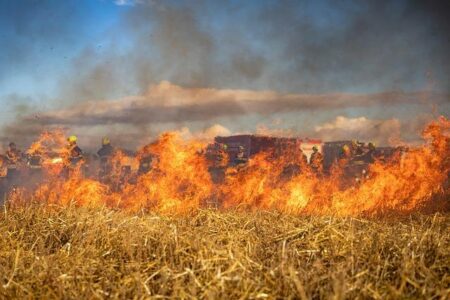

As wildfires continue to ravage large swaths of Spain, displacing thousands of residents, survivors are coming forward to share harrowing accounts of uncertainty and narrow escapes. From frantic evacuations under choking smoke to the devastation of homes and livelihoods, these personal stories shed light on the human toll behind the headlines. This article brings together firsthand narratives that reveal the resilience and challenges faced by those uprooted by one of Spain’s most severe wildfire seasons in recent memory.
Displaced Families Describe Harrowing Wildfire Evacuations in Spain
Families uprooted by the relentless wildfires in Spain relayed vivid accounts of chaotic evacuations marked by fear and urgency. Many described how flames rapidly encroached on their homes, forcing them to flee with little more than the clothes on their backs. One mother recounted, “We had to wake the children in the middle of the night, smoke already filling the hallways. The roads were congested, but every second felt like a race against the fire.” The overwhelming sense of uncertainty was a common thread, as displaced residents grappled with the loss of their belongings and the unknown future ahead.
Key challenges highlighted by evacuees include:
- Sudden road closures and limited access routes complicating escape efforts
- Fragmented communication from emergency services during the peak of evacuations
- Emotional trauma from seeing homes and neighborhoods engulfed in flames
- Struggles to find temporary shelter amidst overcrowded relief centers
Despite the devastation, survivors emphasized the resilience shown by their communities and the dedication of firefighters battling the infernos. Their stories serve as poignant reminders of the human toll behind the headlines and the urgent need for improved disaster preparedness.
Environmental Factors Fueling the Increasing Frequency of Wildfires
Across Spain, changing environmental conditions have created a perfect storm for wildfires, with rising temperatures and prolonged droughts starkly increasing fire risks. The region has experienced unprecedented heatwaves, drying out vast swaths of forest and underbrush, turning them into tinderboxes waiting for a spark. This extended dry period exacerbates the vulnerability of natural landscapes, making even small negligence or natural triggers like lightning capable of igniting devastating blazes.
Additionally, shifts in land use and vegetation patterns contribute to the intensity and spread of these fires. Abandoned agricultural lands and poorly managed forests result in an accumulation of combustible materials. Experts highlight factors such as:
- Extended periods without rainfall leading to soil degradation
- Higher wind speeds that accelerate fire spread
- Changes in plant species composition increasing fuel availability
These intertwined factors underscore the growing challenge Spain faces in wildfire management, with climate change intensifying each element’s impact, threatening both ecosystems and human settlements alike.
Experts Urge Improved Emergency Response and Community Preparedness Measures
In the wake of the devastating wildfires that have displaced thousands across Spain, specialists emphasize the urgent need to enhance emergency response frameworks. Current infrastructure, they warn, is often overwhelmed by the scale and speed of such disasters, leading to delayed evacuations and insufficient support for affected communities. Experts advocate for the integration of advanced technologies such as real-time satellite monitoring and AI-driven predictive models to facilitate quicker, more coordinated action. Additionally, investment in specialized training for first responders is critical to ensure they are equipped to manage the evolving challenges posed by increasingly frequent wildfires.
Community preparedness is equally vital, according to authorities and disaster management professionals. Public awareness campaigns highlighting evacuation protocols, the importance of emergency kits, and local shelter locations can save lives during sudden flare-ups. Recommended steps include:
- Establishing neighborhood watch and communication networks to disseminate urgent updates rapidly.
- Conducting regular fire drills and simulations to build resilience.
- Promoting landscape management practices like creating fire breaks and clearing dry underbrush.
Such measures aim to empower communities to act swiftly and confidently, reducing uncertainty and enhancing safety when wildfires strike.
In Summary
As Spain continues to battle the devastating wildfires ravaging its landscapes, the stories of those displaced bring a human face to the crisis. Their accounts of narrow escapes and ongoing uncertainty highlight not only the immediate dangers posed by the blazes but also the long-term challenges faced by affected communities. With climate change exacerbating the frequency and intensity of such disasters, the testimonies of these residents underscore the urgent need for comprehensive strategies to support recovery and improve resilience against future wildfires.