
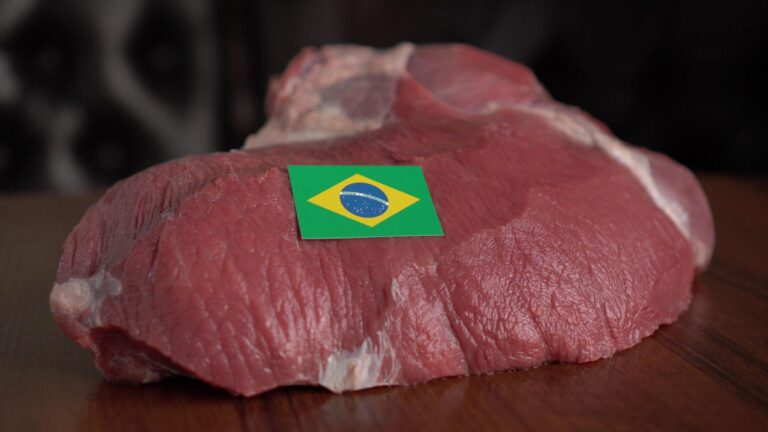
Brazil and Japan have intensified negotiations over beef exports, centering discussions on opening trade channels through smaller Brazilian states. While Tokyo aims to diversify its supply sources, the move has sparked controversy within Brazil’s beef industry, where major producers express concerns over the potential impact on established trade dynamics. The evolving talks highlight the complexities of international trade in agricultural products amid shifting economic and regulatory landscapes.
Brazil Japan beef negotiations shift spotlight to lesser known states raising industry concerns
The recent negotiations between Brazil and Japan regarding beef exports have shifted attention towards smaller, less recognized Brazilian states, stirring unease among established industry players. Traditionally, states like Mato Grosso do Sul and São Paulo have dominated beef exports to Japan, renowned for their compliance with stringent quality and sanitary standards. However, the new focus on emerging regions such as Tocantins and Maranhão has raised questions about consistency, traceability, and the impact on Brazil’s hard-earned reputation within the Japanese market.
Industry stakeholders express concerns over the potential dilution of quality control processes and the logistical challenges involved in integrating these lesser-known states into high-demand export routes. Key issues cited include:
- Inadequate infrastructure for cold chain management in newer regions
- Limited experience with compliance audits required by Japanese authorities
- Possible disruptions to existing supply agreements with traditional exporters
| State | Annual Beef Export Volume (tons) | Current Japan Certification Status |
|---|---|---|
| Mato Grosso do Sul | 120,000 | Certified |
| São Paulo | 85,000 | Certified |
| Tocantins | 15,000 | Pending Certification |
| Maranhão | 12,000 | Under Review |
Challenges faced by smaller Brazilian states in meeting Japan’s strict beef import standards
Smaller Brazilian states striving to expand beef exports to Japan encounter significant obstacles due to the country’s stringent import regulations. These regulations encompass rigorous sanitary and phytosanitary standards, demanding robust traceability systems and advanced processing facilities-areas where many lesser-known producing states lag behind their larger counterparts such as Mato Grosso and Goiás. The disparity in infrastructure investment and local veterinary oversight has made compliance both costly and complex, limiting the ability of smaller regions to secure necessary certifications and gain access to Japanese markets.
Moreover, bureaucratic inefficiencies at state and federal levels exacerbate the difficulties faced by smaller producers. Limited technical support and delayed inspections hinder timely approval, putting them at a competitive disadvantage. Key factors aggravating the situation include:
- Inadequate cold chain logistics impacting product quality maintenance.
- Fragmented supply chains that complicate consistent traceability.
- High costs of compliance with Japan’s animal health protocols.
| Challenge | Impact on Smaller States |
|---|---|
| Inspection Delays | Export bottlenecks and lost contracts |
| Traceability Gaps | Non-compliance with Japanese standards |
| Infrastructure Deficits | Increased production costs |
Recommendations for balancing regional development with national industry interests in beef exports
To ensure a sustainable balance between fostering growth in smaller Brazilian states and safeguarding the broader national industry interests, policymakers should adopt a multifaceted approach. Prioritizing infrastructure investments in underdeveloped regions can enhance their competitiveness without compromising established export hubs. By improving logistics, cold chain systems, and market access, these smaller states can better align with international standards, meeting demand without overwhelming existing supply chains. Additionally, tailored capacity-building programs aimed at local producers and exporters will create value-added opportunities while minimizing friction with larger industry players.
Equitable stakeholder engagement remains critical in navigating these sensitive negotiations. Encouraging transparent dialogue between regional leaders, industry associations, and federal bodies can foster mutual understanding and shared objectives. The table below outlines key focus areas and potential benefits from a harmonized development strategy:
| Focus Area | Benefit to Smaller States | Benefit to National Industry |
|---|---|---|
| Infrastructure Development | Enhanced export capacity | Reduced bottlenecks, improved flow |
| Capacity-Building Programs | Skilled workforce, quality improvements | Higher overall product standards |
| Stakeholder Collaboration | Representation, shared interests | Long-term stability, risk mitigation |
To Conclude
As Brazil and Japan continue their negotiations on beef trade, the focus on smaller Brazilian states has sparked concerns within the broader industry, highlighting the complex balance between regional interests and national economic objectives. Stakeholders on both sides will be closely watching upcoming discussions, as the outcome could have significant implications for Brazil’s beef export dynamics and Japan’s sourcing strategies. Reuters will continue to monitor these developments and provide updates as the talks progress.