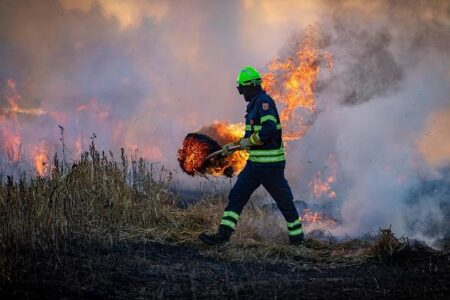

Spain’s pork industry faces mounting challenges as the fallout from African Swine Fever (ASF) continues to disrupt export markets. Recent outbreaks and resulting trade restrictions have significantly impacted Spain’s position as a leading pork exporter, raising concerns over economic losses and supply chain stability. This article examines the latest developments in ASF’s effect on Spain’s pork exports, the responses from industry stakeholders, and the potential implications for both domestic producers and international trade partners.
ASF Fallout Disrupts Spain’s Pork Export Market and Trade Dynamics
The outbreak of African Swine Fever (ASF) has severely rattled Spain’s pork export sector, forcing producers and exporters to recalibrate their strategies amid growing uncertainties. With key trading partners imposing strict sanitary restrictions, Spanish pork shipments have faced delays and cancellations, disrupting well-established supply chains. Exporters report a sharp decline in demand from Asian markets, particularly China and South Korea, which historically accounted for a significant share of Spanish pork exports. This sudden shift has caused inventory backlogs and price instability, further complicating the market landscape.
Market analysts highlight several immediate impacts:
- Reduction in export volumes by up to 40% compared to pre-ASF levels
- Increased competition within the European Union as export flows pivot to intra-EU markets
- Heightened scrutiny on biosecurity measures across all Spanish pig farms
In response, several Spanish producers are accelerating investments in disease control and traceability initiatives to restore buyer confidence. Meanwhile, negotiation efforts with traditional importers continue, with hopes to gradually regain market access as containment measures progress.
| Impact Area | Pre-ASF Export Volume | Current Export Volume | Change (%) |
|---|---|---|---|
| China | 120,000 tons | 72,000 tons | -40% |
| South Korea | 25,000 tons | 15,000 tons | -40% |
| EU Markets | 80,000 tons | 88,000 tons | +10% |
Economic Impact on Spanish Farmers and Supply Chain Challenges
The recent outbreak of African Swine Fever (ASF) has dealt a significant blow to Spanish pig farmers, threatening both their livelihoods and the broader agricultural economy. The immediate aftermath has seen a drastic reduction in export volumes, as international buyers impose stringent import restrictions to curb the disease’s spread. For many producers, this disruption has translated into lost contracts and falling prices, intensifying financial strain amid rising production costs. The situation is particularly dire for small and mid-sized farms, where margins are already thin and diversification options limited.
Compounding these challenges are supply chain bottlenecks that ripple through the industry-from feed suppliers to processing facilities. Transport delays and increased biosecurity measures have raised operational costs, while uncertainty over market access fuels caution among distributors and retailers. Key pressures include:
- Interrupted logistics networks, slowing product flow and increasing perishability risks
- Heightened regulatory compliance impacting handling and transport protocols
- Reduced consumer confidence, affecting domestic demand amid export hurdles
| Impact Area | Effect | Estimated Loss |
|---|---|---|
| Export Volumes | Down 35% YoY | €150 million |
| Farm Revenue | Reduced due to price drops | €90 million |
| Supply Chain Costs | Increased biosecurity expenses | €40 million |
Strategies for Recovery and Strengthening Disease Control Measures
In the wake of the African Swine Fever (ASF) outbreak, Spanish authorities and industry leaders have mobilized a multifaceted approach to reinstate confidence in the country’s pork exports. Enhanced biosecurity protocols have been rapidly deployed at farms and slaughterhouses, encompassing stringent sanitation measures and controlled access to facilities. Cooperation between governmental bodies and private stakeholders has been pivotal in orchestrating swift responses, including targeted culling in affected zones and comprehensive surveillance programs that employ GIS mapping to track potential hotspots.
Moreover, rebuilding Spain’s export markets necessitates not only containment but also transparent communication with international trade partners. Key strategies currently in focus include:
- Regular health status updates shared with importing countries to reinforce trust
- Investment in rapid diagnostic technologies to minimize outbreak detection times
- Training programs for farmers and transporters on ASF prevention and early symptom recognition
- Strengthened border controls to prevent illegal movement of pigs and pork products
| Measure | Expected Impact | Implementation Status |
|---|---|---|
| Farm Biosecurity Upgrades | Reduce on-farm transmission | Ongoing |
| Export Partner Communication | Restore market confidence | Active |
| Diagnostic Tech Deployment | Quick outbreak response | In Progress |
| Border Control Tightening | Prevent new introductions | Completed |
The Way Forward
As Spain grapples with the ongoing impact of African Swine Fever on its pork industry, the full extent of the fallout on exports remains to be seen. While authorities continue to implement measures to contain the disease and restore confidence among trade partners, the situation underscores the vulnerability of global supply chains to animal health crises. Stakeholders across the sector will be closely monitoring developments in the coming months as Spain strives to safeguard its position in the competitive international market.