
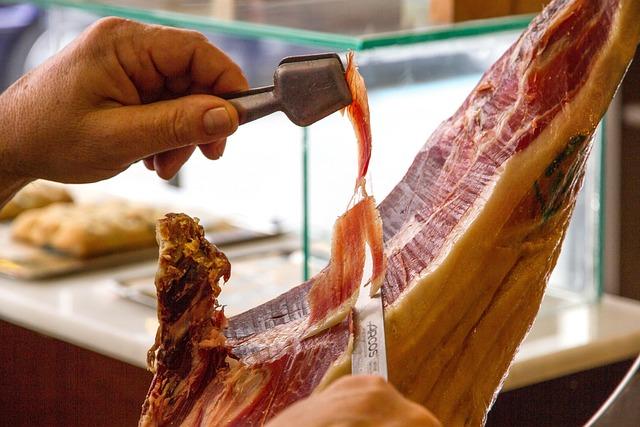
Spain is grappling with a fresh surge in suspected swine fever cases, as authorities confirm eight additional incidents amid ongoing efforts to contain the outbreak. The resurgence threatens to deepen the impact on the country’s vital pork export industry, raising concerns among producers and international buyers alike. With containment measures intensifying, officials face mounting pressure to prevent further spread and safeguard Spain’s position in the global market.
Suspected Swine Fever Cases Raise Alarms Amid Spain’s Export Challenges
Recent developments have intensified concerns surrounding African swine fever in Spain, with eight additional suspected cases reported across key livestock regions. Authorities have swiftly implemented containment protocols, aiming to curb the spread of the virus which poses a significant threat not only to animal health but also to the nation’s lucrative pork export market. The discovery has triggered a series of emergency inspections and heightened biosecurity measures at farms and slaughterhouses to reassure both domestic and international stakeholders.
The evolving situation disrupts an already fragile export landscape, as several countries have imposed temporary restrictions on Spanish pork imports. Market analysts warn that prolonged trade barriers could severely impact regional economies dependent on meat exports. Authorities are focusing on the following critical priorities:
- Rapid diagnosis and confirmation of suspected cases
- Enhanced surveillance in border provinces
- Communication campaigns to restore consumer confidence
- Coordination with EU agencies to manage cross-border risks
| Region | Suspected Cases | Containment Status |
|---|---|---|
| Castilla y León | 3 | Quarantine zones established |
| Andalusia | 2 | Movement restrictions active |
| Extremadura | 3 | Testing ongoing |
Impact on Spain’s Pork Industry Spurs Calls for Enhanced Biosecurity Measures
The recent surge in suspected African swine fever (ASF) cases has sent ripples through Spain’s pork industry, triggering urgent calls from farmers and industry experts for fortified biosecurity protocols. With eight new suspected infections reported, the national economy faces intensified pressure as authorities scramble to contain the virus and prevent further fallout on exports. The outbreak has underscored vulnerabilities in current farm-level practices, prompting recommendations for stricter controls on animal movement, improved sanitation measures, and enhanced monitoring systems.
Key biosecurity measures being advocated include:
- Installation of disinfection barriers at farm entrances
- Mandatory quarantine periods for newly introduced livestock
- Comprehensive staff training on infection prevention
- Increased surveillance through rapid diagnostic testing
| Measure | Expected Benefit |
|---|---|
| Disinfection Barriers | Reduce virus spread via fomites |
| Quarantine Periods | Limit introduction of infected animals |
| Staff Training | Increase early detection and response |
| Surveillance Testing | Enable timely identification of outbreaks |
Government and Farmers Collaborate to Contain Outbreak and Mitigate Economic Losses
In response to the surge in suspected swine fever cases, Spanish authorities have intensified efforts alongside local farmers to contain the virus and reduce its impact on the pork industry. Emergency measures include enhanced biosecurity protocols on farms, controlled movement of livestock, and rapid diagnostic testing. The collaboration extends to providing financial support for affected farmers to ensure the stability of production while minimizing the risk of further outbreaks.
To facilitate transparency and coordinate responses, the government has rolled out a comprehensive monitoring system, allowing stakeholders to track the spread and containment progress in real time. Key focus areas include:
- Quarantine zones around high-risk areas
- Subsidies for farms complying with containment measures
- Educational campaigns on best practices to prevent infection
| Measures | Status | Impact |
|---|---|---|
| Farm Inspections | Ongoing | High |
| Livestock Movement Control | Implemented | Moderate |
| Emergency Funding | Approved | Crucial |
Closing Remarks
As Spain grapples with the emergence of eight additional suspected African swine fever cases, authorities face mounting pressure to contain the outbreak and mitigate further disruptions to the country’s lucrative pork export market. With stringent biosecurity measures underway, the coming weeks will be critical in determining the extent of the impact on Spain’s swine industry and its position in the global trade landscape. Reuters will continue to monitor developments as officials work to prevent the spread of the disease and restore confidence among international trading partners.