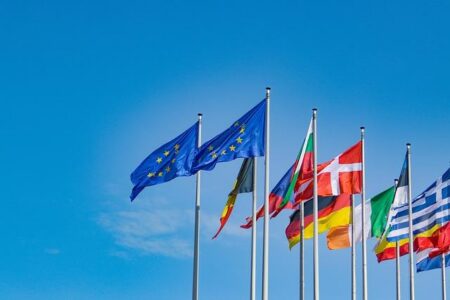

Brazilian President Luiz Inácio Lula da Silva has praised the landmark EU-Mercosur trade agreement as a historic achievement, even as he prepares to be absent from the official signing ceremony. The long-awaited deal between the European Union and the Mercosur bloc marks a significant step toward deeper economic integration between South America and Europe, promising expanded trade opportunities and cooperation. Lula’s endorsement underscores Brazil’s commitment to the pact, despite his decision not to attend the event, raising questions about the political dynamics surrounding the agreement’s formalization.
Brazil’s Lula Celebrates Groundbreaking EU-Mercosur Trade Agreement Amid Diplomatic Absence
Brazilian President Luiz Inácio Lula da Silva has lauded the landmark trade agreement between the European Union and Mercosur as a “historic achievement” that promises to reshape economic ties across continents. Despite his absence from the official signing ceremony, Lula emphasized the deal’s potential to open new markets for Brazilian goods, particularly in agriculture and manufacturing, while fostering stronger diplomatic relations with Europe. The agreement, long delayed by political and environmental concerns, is expected to boost trade flows and stimulate investment, marking a significant step forward for South American economies seeking greater global integration.
Key features of the EU-Mercosur agreement include:
- Elimination of tariffs on over 90% of goods traded between the blocs
- Enhanced cooperation on sustainable development and environmental standards
- Improved market access for agricultural products like beef and soy
- Commitments to uphold labor rights and enforce fair competition
Though Lula’s diplomatic absence raised eyebrows, his administration reaffirmed its full support for the pact, citing strategic priorities and ongoing domestic engagements as reasons for missing the event. Observers suggest the agreement could herald a new chapter in Brazil’s foreign policy, balancing economic expansion with environmental and social commitments.
Analyzing the Economic and Political Implications of the EU-Mercosur Deal for South America
The recently finalized agreement between the European Union and Mercosur represents a landmark shift in trade relations, promising to significantly reshape South America’s economic landscape. For Brazil, Argentina, Paraguay, and Uruguay, this deal opens unprecedented access to one of the world’s largest markets, potentially boosting exports across diverse sectors such as agriculture, manufacturing, and technology. Economists highlight that increased market integration may stimulate growth, attract foreign investment, and enhance competitiveness within Mercosur nations. However, concerns linger regarding the deal’s impact on local industries, especially small-scale farmers and environmental regulations, as the bloc seeks to balance economic expansion with sustainability commitments.
Politically, the pact underscores a strategic recalibration of alliances amid shifting global power dynamics. For South American governments, particularly under Luiz Inácio Lula da Silva’s administration, the agreement serves as both a diplomatic victory and a tool for regional integration. Yet, the absence of key figures at the signing ceremony, including Lula himself, signals underlying political complexities and domestic considerations. Critical points of debate include:
- The capacity of member states to enforce environmental standards related to deforestation in the Amazon.
- Ensuring equitable benefit distribution among diverse economic actors within South America.
- Managing the geopolitical implications as Mercosur deepens ties with the EU amid global trade tensions.
These elements will shape how the deal is perceived and implemented, highlighting the delicate interplay between advancing economic interests and maintaining political sovereignty.
Recommendations for Strengthening Brazil’s Role in Future Multilateral Trade Negotiations
To capitalize on recent milestones like the EU-Mercosur agreement, Brazil must proactively enhance its diplomatic agility by fostering closer ties with emerging economies and established trade blocs alike. This involves not only deepening bilateral relationships but also taking a leadership role in shaping global trade standards that align with its economic strengths and environmental commitments. Investing in multilateral forums, boosting domestic industries with export potential, and elevating negotiation capacities through skilled delegations will position Brazil as an indispensable actor in future trade dialogues.
Equally critical is Brazil’s strategic engagement in sustainable trade initiatives, which increasingly influence international agreements. Emphasizing transparency, environmental safeguards, and equitable growth within negotiation platforms can improve Brazil’s global perception while safeguarding its developmental interests. Key action points include:
- Developing comprehensive trade policy frameworks that integrate ecological priorities without compromising economic goals.
- Enhancing multilateral cooperation mechanisms to better anticipate and respond to trade disruptions and geopolitical shifts.
- Promoting innovation and value addition within key export sectors such as agriculture and manufacturing.
- Strengthening institutional structures to ensure consistent and informed representation in complex trade negotiations.
In Conclusion
As Brazil’s President Luiz Inácio Lula da Silva lauds the landmark EU-Mercosur agreement for its potential to deepen economic ties and promote sustainable development, his absence at the signing ceremony underscores the complex diplomatic dynamics at play. While the deal marks a significant milestone in regional and transatlantic cooperation, its implementation will require ongoing commitment and negotiation among all parties to address environmental concerns and trade imbalances. The coming months will be critical in determining whether this historic pact can fulfill its promise of boosting growth and integration across continents.