
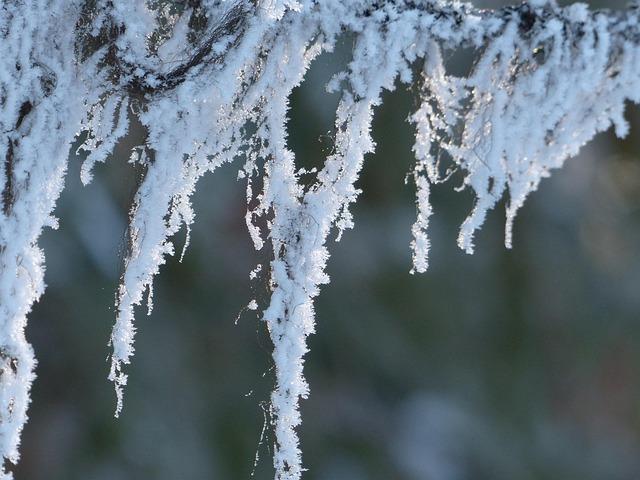
A fierce blast of bitter cold is set to sweep across Canada this week, with temperatures plummeting to dangerously low levels. Meteorologists warn that some regions could experience lows nearing -50°C, posing serious risks to health and safety. This frigid front is expected to impact large swaths of the country, prompting officials to urge residents to take precautions against the extreme cold.
Bitter Cold Warning Issued as Temperatures Expected to Plunge Across Canada
Forecasters have issued an urgent warning as a severe Arctic air mass pushes southward, bringing frigid conditions to large parts of Canada. Temperatures in some regions are expected to plummet to bone-chilling lows, with wind chills intensifying the cold, creating hazardous atmospheres for outdoor activities. Authorities urge communities to stay updated on weather developments and take necessary precautions to avoid frostbite and hypothermia during this extreme cold spell.
Residents are advised to:
- Limit outdoor exposure during peak cold hours, especially early mornings and late evenings.
- Dress in multiple warm layers, covering extremities with hats, gloves, and insulated footwear.
- Keep emergency supplies like blankets, food, and water readily available in vehicles and homes.
- Check on vulnerable neighbors such as the elderly and those with medical conditions.
With the mercury set to dive well below seasonal averages, public health officials warn that the bitter cold could disrupt daily life and infrastructure, including transportation and power services, across several provinces.
Health Risks of Extreme Cold Exposure and How to Protect Yourself
Exposure to extreme cold temperatures, especially lows plummeting to -50 °C, poses severe health dangers that can escalate rapidly without proper precautions. The body’s core temperature can drop, leading to hypothermia, a life-threatening condition characterized by uncontrollable shivering, sluggishness, and confusion. Frostbite is another critical risk, resulting from freezing skin and underlying tissues, commonly affecting fingers, toes, ears, and the nose. Prolonged exposure can result in permanent tissue damage and even amputation. Additionally, extreme cold strains the cardiovascular system, increasing the risk of heart attacks and strokes. Vulnerable populations such as the elderly, young children, and those with preexisting health conditions are especially susceptible to adverse effects during these bitterly cold spells.
To mitigate these risks, expert recommendations emphasize layering clothing with insulated, moisture-wicking fabrics and ensuring all skin is covered to prevent frostbite. Staying indoors during peak cold hours and limiting time outside can significantly decrease danger. Emergency kits with blankets, warm liquids, and portable heat sources should be readily available. It’s also crucial to maintain proper nutrition and hydration to help the body generate heat efficiently. Community members are urged to check in on neighbors and those living alone, as social isolation combined with extreme cold can compound health hazards. Taking these comprehensive preventive measures seriously can save lives during the harshest Canadian winter conditions.
- Recognize early symptoms of hypothermia and frostbite.
- Wear multiple layers, including hats, gloves, and thermal socks.
- Avoid alcohol and caffeine which can impair heat retention.
- Keep emergency supplies accessible and inform others of your whereabouts.
- Seek immediate medical help if you suspect severe cold-related illness.
Communities Brace for Impact with Emergency Plans and Winter Preparedness Tips
Communities across Canada are stepping up their efforts as meteorologists warn of a severe cold snap that could see temperatures plummeting to an astonishing -50°C. Municipal authorities are activating emergency response plans, ensuring warming centers remain fully operational and stocked with essential supplies. Residents are being urged to stay informed through local alerts and to check on vulnerable neighbors, particularly the elderly and those with limited access to heating. In addition to reinforcing infrastructure, city officials advise minimizing outdoor activities and preparing vehicles and homes for extreme conditions to mitigate potential risks.
Emergency management teams emphasize the importance of thorough winter preparedness, recommending that every household should have the following ready:
- Emergency kits containing non-perishable food, water, flashlights, and batteries
- Extra warm clothing and blankets to combat prolonged exposure to the cold
- Backup heating sources such as safe generators or wood stoves
- Clear communication plans to stay connected with family and emergency services
- Vehicle winterization including antifreeze, tire chains, and full fuel tanks
Preparedness campaigns are being broadcast across multiple platforms to ensure Canadians know how to protect themselves during this frigid onslaught.
The Conclusion
As Canada braces for this unprecedented cold snap, residents are urged to take necessary precautions against the extreme temperatures. With lows expected to plunge to -50°C in some regions, authorities continue to monitor the situation closely, emphasizing the importance of staying informed and prepared. Weather experts advise checking local updates regularly and adhering to safety guidelines to mitigate the risks posed by the bitter cold. Stay tuned to Global News for ongoing coverage and the latest developments.