
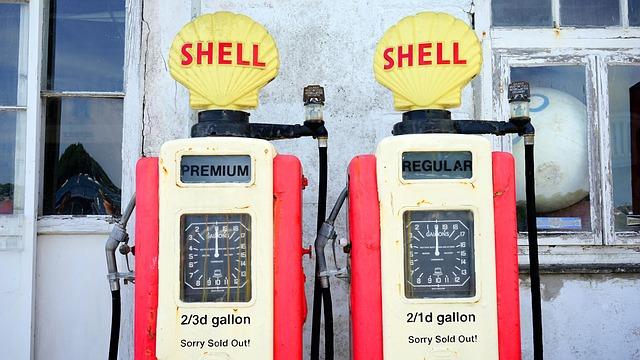
Oil prices surged by 3% on Friday following the collapse of recent Russia-Ukraine negotiations, reigniting concerns over supply disruptions amid escalating geopolitical tensions. The breakdown in talks has heightened market uncertainties, driving crude oil prices higher as investors weigh the potential impact on global energy markets. This significant price movement underscores the fragile state of diplomacy in the region and its immediate effect on commodity trading worldwide.
Oil Prices Rally Following Collapse of Russia Ukraine Negotiations
Oil prices surged sharply in early trading, responding to the sudden collapse of diplomatic negotiations between Russia and Ukraine. The breakdown has heightened concerns over supply disruptions from one of the world’s major crude producers, fueling investor anxiety and driving crude benchmarks up by nearly 3% within hours. Market participants are closely monitoring the situation as the geopolitical tension threatens existing supply chains, with potential ripple effects for global energy markets.
Key factors influencing the rally include:
- Heightened risk of prolonged conflict impairing Russian oil exports.
- Increased demand for safer energy assets amid geopolitical uncertainty.
- Speculative trading triggered by elevated market volatility.
As the situation develops, traders remain cautious but expect the volatility to persist, given the strategic importance of this geopolitical event for crude oil supply and global economic stability.
Market Implications of Renewed Geopolitical Tensions on Global Energy Supply
The recent breakdown in Russia-Ukraine negotiations has sent shockwaves through global energy markets, triggering a significant surge in crude oil prices. Investors are reacting to heightened uncertainties surrounding supply chain disruptions, particularly given Russia’s role as a major oil and gas exporter. With the geopolitical climate rapidly deteriorating, market participants are bracing for tighter supply conditions, which could exacerbate inflationary pressures worldwide.
Key market implications include:
- Increased volatility: Traders are adjusting positions amid fears of prolonged conflict, leading to wider price swings.
- Supply chain risks: Potential sanctions and embargoes risk constraining oil exports from the region, impacting global availability.
- Strategic stockpile draws: Several nations may tap into reserves to stabilize markets, though such measures are temporary.
- Shift in energy policies: Accelerated investment in alternative energy sources may become a strategic priority to mitigate reliance on politically sensitive regions.
Strategic Recommendations for Investors Amid Volatile Crude Oil Markets
Investors should consider diversifying their portfolios beyond traditional energy assets to mitigate risks amid unpredictable crude oil price swings. Emphasizing exposure to alternative energy sectors such as renewables and battery technologies can provide a valuable hedge against volatility linked to geopolitical crises. Additionally, maintaining a balanced mix of short-term tactical positions and long-term strategic holdings is crucial, allowing investors to capitalize on price surges while cushioning potential downturns. Hedging instruments like options and futures contracts may also serve as effective tools for managing downside risk without sacrificing upside potential.
Staying informed about global diplomatic developments is paramount, as oil markets remain highly sensitive to international negotiations and supply disruptions. Investors should closely monitor geopolitical hotspots and regularly reassess their exposure to regions prone to conflict or sanctions. Implementing a dynamic investment approach-combining fundamental analysis with real-time market data-can help navigate rapid price movements. Strategic patience and readiness to adjust positions quickly will be key advantages for those looking to thrive amid sustained market turbulence.
In Conclusion
As negotiations between Russia and Ukraine remain stalled, oil markets are likely to stay volatile amid ongoing geopolitical tensions. With a 3% surge in crude prices reflecting heightened supply concerns, analysts will be closely monitoring how the impasse influences global energy dynamics in the coming days. For continued updates on oil prices and market developments, stay tuned to OilPrice.com.