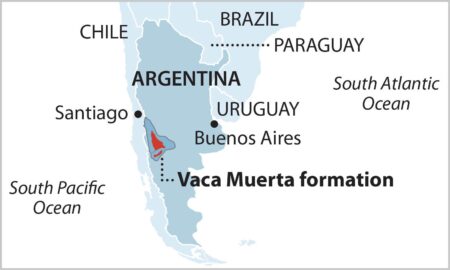
Major oil companies are accelerating their investments in Argentina's Vaca Muerta shale formation, competing to boost production amid soaring global crude prices. This region is rapidly emerging as a dominant force in the energy market
Major oil companies are accelerating their investments in Argentina's Vaca Muerta shale formation, competing to boost production amid soaring global crude prices. This region is rapidly emerging as a dominant force in the energy market
Australia's LNG industry is raising the alarm: ongoing policy uncertainty is scaring off vital investments, putting production timelines at risk in an already unpredictable global energy market. Industry leaders are calling on the government to deliver clear, decisive direction to safeguard the sector's future growth
Japan is set to receive its first crude oil shipment via the Strait of Hormuz since the conflict began, marking a significant shift in supply routes amid soaring global prices. The world's eyes are now fixed on the crude oil markets, eager to see how this pivotal development will impact the industry
Two India-bound LPG tankers have expertly navigated the Strait of Hormuz amid escalating regional tensions. This seamless transit offers a much-needed boost to energy markets, as crude oil prices remain steady with slight gains today
China has begun exporting fuel amid tightening supplies across Asia, sending ripples through regional markets. This bold shift underscores the evolving landscape of the crude oil trade, as prices respond to surging demand and dwindling inventories
Sanctions relief has turbocharged Russia's oil revenues, fueling its war machine as crude prices skyrocket. Despite growing global pressure, this flood of cash is supercharging Moscow's military power, making it increasingly difficult to rein in the conflict
India has begun paying for Iranian oil in yuan, leveraging a U.S. waiver to bypass traditional dollar transactions amid ongoing sanctions. This daring shift signals a major change in global payment dynamics, sending shockwaves through today's crude oil markets
As oil prices surge to $80 a barrel, China is aggressively expanding its crude stockpiles, transforming them into a formidable strategic advantage. This daring strategy amplifies Beijing's influence amid tightening global supplies and rising geopolitical tensions
Russia and Iran have dramatically slashed oil prices to capture a bigger slice of the Chinese market amid shifting global supply trends. This bold strategy is designed to lock in long-term market dominance as demand patterns continue to change
Oil prices surged 3% on Wednesday following the abrupt collapse of Russia-Ukraine peace talks, igniting new geopolitical tensions and raising concerns over potential supply disruptions. Investors remain on edge, eagerly watching the market's next moves
China's 2026 energy strategy is powered by five exciting trends: a swift surge in renewable energy adoption, a bold increase in domestic crude production, an expansion of LNG imports, breakthroughs in cutting-edge energy technologies, and the strengthening of global oil partnerships
Argentina has boldly risen as a South American oil titan, dramatically boosting crude production and exports. With soaring output and strong policy support, the nation is rapidly becoming a dominant player on the global energy stage
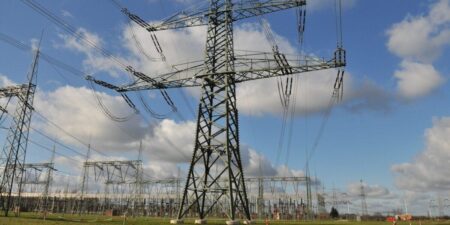
Germany has decisively turned down the idea of splitting Europe's power market into zones, asserting that this approach would jeopardize both market efficiency and stability. This bold stance emerges during a critical period of discussions surrounding energy security and pricing, especially in light of the ever-changing crude oil prices
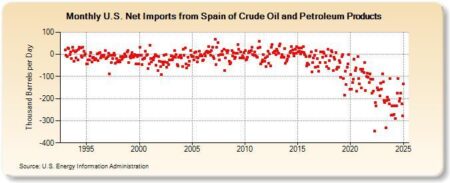
Spain’s Oil Imports from Venezuela Surge 60% Ahead ofâ�¤ U.S. Sanctions Amid Shifting Global Energy Dynamics
In a notable shift in â€�energy trade dynamics, â�£Spain has ramped up its oil imports fromâ�¤ Venezuela, witnessing a staggering 60%â�¤ increase as the â€�loomingâ�¢ prospect​ of U.S. sanctions raises concernsâ�¢ among other buyersâ�¢ regarding supplies from the South American nation. This surge underscores Spain’s â€�strategic move to secure a​ stable â€�source of crude oil amidâ€� volatile global markets and ​the ongoingâ�£ repercussions of geopolitical tensions. With U.S.sanctions‌ on Venezuela setâ�¤ to tighten, spain’s approach not only highlights its reliance on Venezuelan oil but also reflects a broader â�¤trend among European nations seekingâ�£ to diversify their energy portfolios in an era of uncertainty. As crude oil prices fluctuate in responseâ�¢ to these developments,theâ�¢ implications â�£for both Spain’s energy security and the global oil market remain to be seen.
India's oil import dependence has surged to a record high, exacerbated by rising domestic demand and limited local production. This trend poses significant economic challenges and highlights the need for strategic energy policy reforms.
Italy's grid operator announced a substantial investment of $25 billion aimed at bolstering the country's renewable energy infrastructure. This initiative seeks to support the expanding renewable sector, ensuring grid reliability and sustainability as green energy sources gain prominence.
France and Spain are emerging as leaders in Europe’s onshore wind potential, capitalizing on their vast landscapes and favorable policies. This surge in wind energy development is crucial for meeting the EU's renewable energy targets and reducing carbon emissions.
Italy is exploring the revival of its nuclear power industry as part of a strategy to enhance energy security and meet climate goals. With rising energy costs and a push for sustainability, nuclear energy could play a crucial role in Italy’s energy future.