
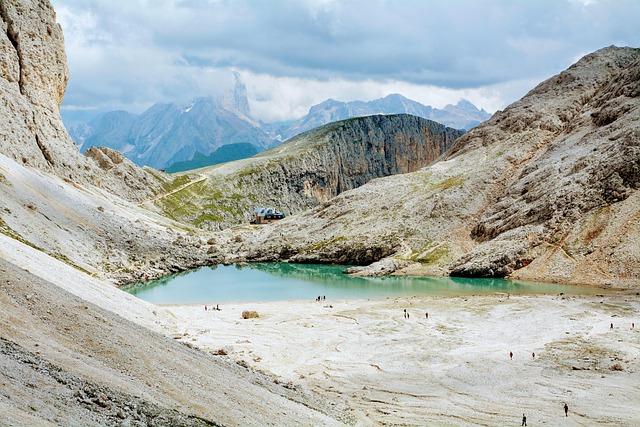
In an ambitious move to bolster environmental conservation and promote community engagement, Brazil is turning to its vast network of hiking trails as a strategic asset. By developing and maintaining these pathways, authorities aim not only to protect fragile ecosystems but also to foster a sense of belonging among local populations and visitors alike. This innovative approach highlights how outdoor recreation can serve as a catalyst for preserving biodiversity while supporting sustainable tourism-a model that could inspire conservation efforts worldwide.
Brazil’s Hiking Trail Initiative Fosters Community Engagement and Environmental Stewardship
Across Brazil’s diverse landscapes, a fresh wave of hiking trail development is not only promoting eco-tourism but also galvanizing local communities toward active conservation efforts. These trails serve as conduits for cultural exchange and environmental education, inviting residents to participate directly in preserving their natural heritage. Communities along the paths have reported a renewed sense of ownership and pride, as they collaborate on maintaining the trails, protecting wildlife, and restoring native vegetation. This grassroots approach is reshaping traditional conservation models by blending outdoor recreation with tangible stewardship roles.
Key impacts of this initiative include:
- Empowerment of indigenous and rural populations through trail management and eco-guiding opportunities
- Enhanced biodiversity monitoring facilitated by community-driven efforts
- Increased awareness among visitors about the importance of sustainable practices
By nurturing these connections between people and place, Brazil’s hiking trail programs are proving that conservation extends beyond protected areas; it thrives where people feel they belong and have a stake in the environment’s future.
How Local Involvement Transforms Conservation Efforts Along Brazil’s Trails
Local communities along Brazil’s hiking trails are emerging as pivotal stewards of the environment, transforming conservation from a distant policy into a living, breathing reality. By engaging residents in trail maintenance and environmental education, these initiatives foster a deep-rooted connection to the land. This sense of ownership not only bolsters protection efforts but also nurtures economic opportunities through eco-tourism and sustainable practices. Empowered locals become watchdogs against illegal activities such as logging and poaching, ensuring the integrity of these precious ecosystems is upheld from within.
Key to these successes are community-driven programs that emphasize collaboration and knowledge-sharing. Among the strategies proving effective are:
- Training workshops on sustainable trail management
- Inclusive decision-making forums that respect indigenous voices
- Promotion of cultural heritage alongside biodiversity preservation
Such approaches not only enhance conservation outcomes but also weave social fabric tighter, creating a resilient alliance between people and nature that stands the test of time.
Recommendations for Expanding Sustainable Ecotourism through Trail Development and Education Programs
To effectively scale sustainable ecotourism, integrating well-planned hiking trails with comprehensive education initiatives emerges as a crucial strategy. Prioritizing local community involvement in trail design and maintenance not only safeguards natural habitats but also fosters a stronger connection between visitors and the environment. The trails act as conduits for immersive learning experiences where tourists can directly engage with ecosystems, promoting awareness and respect for biodiversity. Additionally, investing in interpretive signage and mobile apps that share indigenous knowledge and conservation efforts enhances visitor understanding while enriching their journey.
Educational programs tailored to hikers and local residents alike can accelerate conservation outcomes by cultivating a shared stewardship ethos. Key recommendations include:
- Developing workshops led by environmental experts and indigenous leaders that emphasize the cultural significance of trails.
- Creating volunteer programs that empower communities to participate in trail upkeep and wildlife monitoring.
- Collaborating with schools to introduce field trips that combine outdoor activities with lessons on sustainable practices.
- Implementing certification systems for eco-guides to maintain high standards of environmental interpretation and visitor engagement.
These measures aim to transform ecotourism into a tool that supports both conservation and socioeconomic upliftment, ensuring that the benefits of Brazil’s natural treasures are preserved and shared for generations to come.
Key Takeaways
As Brazil continues to grapple with the challenges of environmental protection and community engagement, hiking trails emerge as a promising intersection of conservation and cultural identity. By fostering a sense of belonging among locals and visitors alike, these paths not only encourage sustainable tourism but also empower communities to safeguard their natural heritage. While obstacles remain, Brazil’s investment in trail networks highlights a growing recognition that conservation efforts are most effective when rooted in connection-both to the land and to one another.