
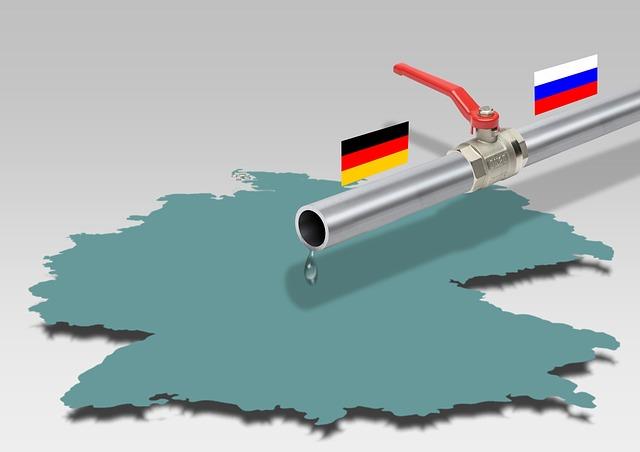
Germany is facing a growing energy challenge as its oil and gas production continues to decline amid rising global prices, according to a recent report by The New York Times. Once a stable player in Europe’s energy landscape, the country is increasingly reliant on imports to meet its demand, exacerbating concerns over energy security and economic stability. This shift comes at a critical moment, as geopolitical tensions and market volatility drive prices upward, placing additional strain on consumers and industries alike.
Germany’s Domestic Oil and Gas Production Faces Steep Decline Amid Global Price Surge
Germany’s oil and gas sector is confronting a significant downturn as production volumes shrink despite a sharp uptick in global energy prices. Experts attribute the decline to a combination of aging infrastructure, stringent environmental regulations, and the nation’s pivot towards renewable energy sources. This contraction in domestic output is placing increased pressure on imports, exacerbating energy security concerns amid volatile international markets. Industry analysts warn that without strategic investments to modernize exploration and extraction technologies, Germany may witness further declines, impacting both the economy and energy resilience.
The current situation has sparked intense debates over the country’s energy policy, prompting calls for balancing sustainability with supply stability. Key points emerging from recent discussions include:
- Accelerating efforts to diversify energy imports to reduce dependency
- Investing in technologies aimed at enhancing recovery rates from existing fields
- Reevaluating regulations to encourage responsible domestic exploration without compromising climate goals
As global prices surge, Germany faces the complex challenge of ensuring affordable energy access while transitioning towards greener alternatives-highlighting a critical crossroads in its energy strategy.
Impact of Reduced Output on Energy Security and Economic Stability in Germany
Germany’s declining oil and gas production is posing significant threats to its energy security. As output contracts, the nation becomes increasingly dependent on imports to meet domestic demand, which exposes it to volatile global markets and geopolitical risks. This reduced self-sufficiency challenges Germany’s ability to maintain a stable energy supply, particularly during periods of international tension or supply chain disruptions. The shift also compels policymakers to reconsider the balance between fossil fuel usage and the accelerated implementation of renewable energy sources to safeguard future energy independence.
The economic ramifications are equally profound. Rising energy prices fueled by dwindling domestic production are driving up costs for industries and consumers alike, which could slow economic growth and increase inflationary pressures. Key sectors reliant on affordable energy face operational uncertainties, while households contend with higher utility bills. Among the consequences are:
- Increased production costs leading to decreased competitiveness of German exports.
- Pressure on public finances due to potential subsidies or support measures aimed at shielding vulnerable populations.
- Heightened inflation contributing to a squeeze on household incomes and consumer spending.
These elements create a complex economic landscape that requires strategic planning and resilience to weather the ongoing energy transition.
Policy Measures and Investment Strategies to Mitigate Supply Shortfalls and Support Renewable Transition
In response to the shrinking domestic oil and gas production, German policymakers are accelerating efforts to diversify energy sources and stabilize supply chains. Key measures include incentivizing investments in renewable technologies and expanding infrastructure for cleaner energy alternatives. The government has introduced subsidies for offshore wind farms and streamlined permitting processes for solar projects, aiming to fast-track the development of sustainable energy capacity. Additionally, efforts to enhance energy efficiency in industrial and residential sectors are being prioritized to reduce overall demand on fossil fuels.
Investment strategies are increasingly targeting the integration of smart grid technologies and energy storage solutions to ensure reliability despite intermittent renewable output. Private sector participation is encouraged through partnerships and green bonds, facilitating capital flow into innovative energy startups and large-scale renewable projects. Crucially, experts highlight the importance of strengthening cross-border energy cooperation within the European Union to buffer against supply shocks and promote a synchronized transition towards a carbon-neutral future.
Insights and Conclusions
As Germany faces the twin challenges of declining domestic oil and gas production amid rising global prices, the country’s energy landscape is poised for significant shifts. Policymakers and industry leaders will need to navigate these pressures carefully to secure reliable energy supplies while managing economic and environmental impacts. The evolving situation underscores the broader uncertainties confronting energy markets worldwide in an era of transition and geopolitical tension.