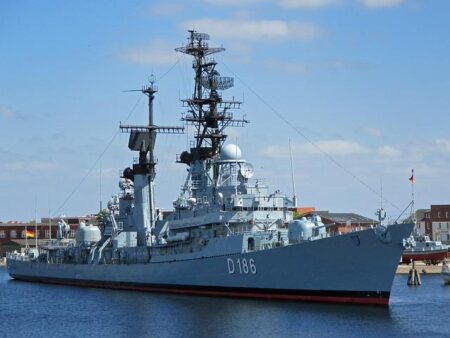

Amid ongoing regional tensions and international uncertainty, the United Kingdom and France have moved forward with deploying naval vessels and aircraft to the Middle East, marking a significant escalation in their military presence despite expressed reservations within government and public circles. This strategic decision, reported by The New York Times, underscores the complex calculus faced by Western powers as they seek to safeguard interests in a volatile region, balancing security concerns against diplomatic and political misgivings at home.
U.K. and France Strengthen Military Presence in Middle East Amid Strategic Concerns
Amid escalating geopolitical tensions and ongoing security challenges, the United Kingdom and France have bolstered their military footprint in the Middle East with the deployment of naval vessels and aircraft. This strategic move aims to ensure stability in critical maritime routes and to counter emerging threats posed by regional actors. Both nations emphasize that their presence is designed to support allied forces and safeguard international waters, underscoring a commitment to collective security despite internal government debates over the risks involved.
The redeployment includes:
- Royal Navy frigates equipped with advanced missile systems patrolling the Persian Gulf and Red Sea.
- French air force squadrons tasked with reconnaissance and rapid response missions across key hotspots.
- Enhanced intelligence-sharing protocols with regional partners to monitor militant activities and deter potential escalations.
Both governments acknowledge the delicate balance between demonstrating military resolve and avoiding further exacerbation of regional tensions, highlighting a cautious approach amid global scrutiny.
Analyzing the Risks and Benefits of Western Naval and Air Deployments in Regional Tensions
The recent deployment of U.K. and French naval and air assets to the Middle East underscores a complex calculus of strategic interests amid escalating regional tensions. On one hand, these moves serve as a robust demonstration of commitment to safeguarding vital maritime routes and bolstering allied presence, especially in areas prone to conflict. The presence of advanced warships and aircraft not only enhances intelligence-gathering capabilities but also acts as a deterrent against hostile actions by state and non-state actors. Nevertheless, the deployments carry inherent risks, such as potential miscommunication leading to unintended confrontations or escalation with regional powers suspicious of Western military intentions.
Analysts highlight several benefits and challenges intrinsic to this approach:
- Strengthening alliances: Reinforces partnerships with Gulf states reliant on Western security guarantees.
- Operational readiness: Enables quick response to crises ranging from maritime piracy to missile threats.
- Diplomatic friction: Risks exacerbating tensions with rival nations wary of foreign military presence.
- Resource strain: Extended deployments may stretch military assets thin and impact maintenance cycles.
Balancing these factors remains crucial as decision-makers navigate an increasingly volatile geopolitical landscape, ensuring that the demonstration of power does not inadvertently fuel further instability.
Recommendations for Balancing Security Objectives with Diplomatic Engagement in the Mideast
Striking a balance between robust security measures and meaningful diplomatic engagement remains paramount for the U.K. and France as they navigate their increased military presence in the Mideast. To mitigate the risk of escalating tensions, it is crucial that both nations prioritize transparent communication channels with regional stakeholders, ensuring that their operations are framed within a cooperative security framework rather than unilateral enforcement. Embedding diplomatic liaisons within naval and air task forces could help translate military actions into opportunities for dialogue, building trust rather than suspicion among local governments.
Experts suggest several approaches to harmonize defense imperatives with political outreach:
- Regular joint exercises with regional military partners to reinforce mutual interests and operational compatibility
- Clear public messaging on the strategic rationale behind deployments to counter misinformation and local grievances
- Engagement in multilateral forums addressing broader security concerns like piracy, trafficking, and terrorism
- Investment in humanitarian projects to address root causes of instability and signal commitment beyond military might
These measures, coupled with sustained dialogue, can help ensure that the U.K. and France’s presence supports a stable and cooperative environment in one of the world’s most volatile regions.
To Wrap It Up
As the U.K. and France move forward with the deployment of naval vessels and aircraft to the Middle East, their actions reflect a complex balancing act between strategic interests and domestic concerns. While misgivings persist over the long-term implications of increased military presence in the region, these steps underscore the enduring importance both nations place on regional stability and the protection of vital trade routes. The coming weeks will be closely watched by allies and adversaries alike, as the broader impact of this deployment begins to unfold.