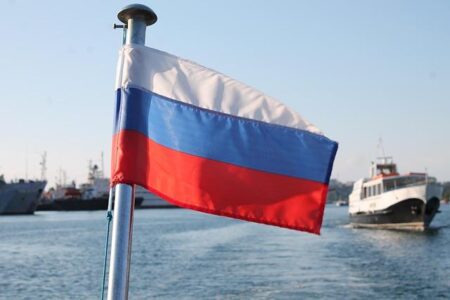
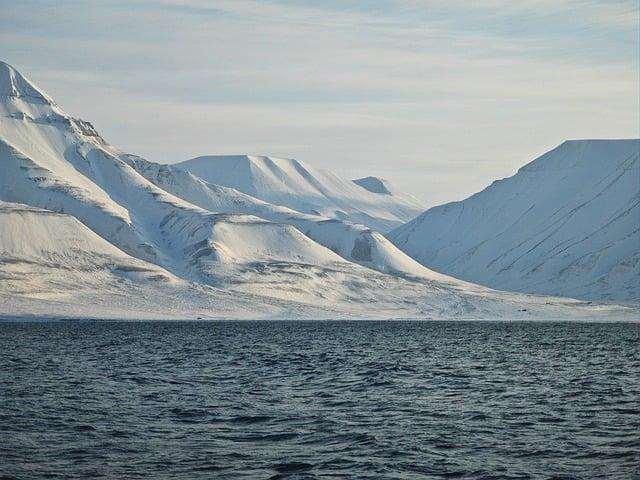
As geopolitical tensions in the Arctic continue to intensify, the spotlight increasingly falls on Svalbard, the Norwegian archipelago with a unique legal status and strategic significance. Russia’s presence on the islands has sparked debate over whether Svalbard serves as a critical foothold-and real leverage-in Moscow’s broader ambitions in the Arctic region. This article examines the complex dynamics at play, exploring how Svalbard’s geopolitical positioning intersects with Russia’s Arctic strategy amid mounting international competition and environmental challenges.
Svalbard’s Strategic Importance in Arctic Geopolitics
Nestled midway between mainland Norway and the North Pole, Svalbard offers Russia a unique foothold in the Arctic’s rapidly evolving geopolitical landscape. Despite being under Norwegian sovereignty, the archipelago’s special treaty status grants Russia-and other signatories-unprecedented rights such as living, working, and resource exploitation. This strategic advantage allows Moscow to sustain a persistent presence close to vital maritime routes, natural reserves, and crucial monitoring stations. The island’s location also supports Russia’s broader ambitions to assert influence over emerging shipping lanes that could revolutionize global trade as ice caps retreat.
Moscow’s approach includes several key elements that underscore this leverage:
- Resource exploitation: Active coal mining operations and plans for expanded energy exploration.
- Scientific research: Establishing research facilities which double as surveillance outposts.
- Military signaling: While overt militarization is limited, Russia’s infrastructure development hints at dual-use capabilities.
Together, these factors enable Russia to shape the Arctic dialogue from within, balancing cooperation under the Svalbard Treaty with subtle assertions of sovereignty and influence that may redefine power dynamics in one of the planet’s last frontiers.
Russia’s Activities and Influence on the Svalbard Archipelago
Russia maintains a significant footprint on the Svalbard Archipelago, leveraging the archipelago’s unique legal status under the Svalbard Treaty to extend its presence far beyond the typical scope of a non-Norwegian entity. The archipelago, governed by Norway but open to investment and settlement by treaty signatories, has attracted Russian activities primarily focused on mining, fishing, and scientific research. Despite being a small community compared to others in the region, the Russian settlement of Barentsburg remains a tangible symbol of Moscow’s ongoing interest in maintaining historical and economic footholds in the High North. This presence allows Russia to assert influence in the Arctic through:
- Resource exploitation: Continued coal mining operations contribute to Moscow’s economic interests.
- Scientific monitoring: Research stations serve dual roles in environmental studies and strategic surveillance.
- Maritime activity: Fishing fleets based on Svalbard operate under treaty rights, strengthening Russian claims.
Beyond visible infrastructure, Russia’s involvement hints at a broader geopolitical strategy aimed at securing access to the Arctic’s vast natural resources and emerging sea routes. The archipelago acts not only as a logistical hub but as a platform for monitoring NATO activities and other Arctic competitors. While Oslo maintains strict regulatory oversight, the tacit acceptance of Russian settlements reflects a complex balance between cooperation and strategic competition. Analysts note that Russia’s activities on Svalbard cannot be viewed in isolation but as part of a wider Arctic agenda, where economic interests intersect with military and diplomatic considerations, positioning Svalbard as a subtle yet potent lever in Russia’s Arctic ambitions.
Balancing Interests in the Arctic Recommendations for Diplomatic Engagement
Amid escalating geopolitical tensions, the Arctic has emerged as a critical arena where global powers jostle for influence and control over untapped resources and strategic navigation routes. Effective diplomatic engagement must prioritize transparent dialogue and mutual respect for sovereignty while acknowledging the complex web of interests at play. Stakeholders should focus on collaborative frameworks that address environmental concerns, indigenous rights, and sustainable economic development, ensuring that competitive ambitions do not undermine the fragile Arctic ecosystem or regional stability.
Recommendations for policymakers include:
- Enhancing multilateral cooperation through forums such as the Arctic Council to foster trust and reduce misunderstandings.
- Implementing joint scientific research initiatives to share knowledge and mitigate climate change impacts.
- Recognizing the strategic importance of Svalbard as a unique geopolitical asset, but avoiding its instrumentalization in broader power struggles.
- Encouraging transparency in military activities to prevent escalation and maintain a peaceful Arctic environment.
Future Outlook
As geopolitical competition in the Arctic intensifies, Svalbard remains a focal point where legal ambiguities, strategic interests, and environmental concerns converge. While Russia’s presence on the archipelago offers certain tactical advantages, the island’s unique international status and the broader dynamics of Arctic governance limit its role as an outright leverage point. Understanding Svalbard’s place within this complex puzzle is essential for assessing Moscow’s true influence in the High North – a region increasingly critical for global trade, security, and climate policy.