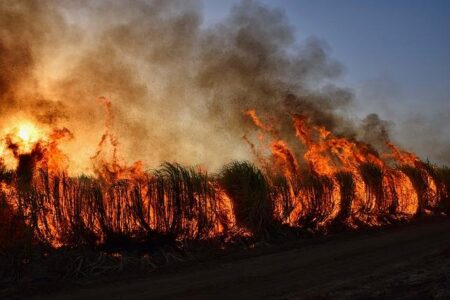

As Canada faces increasingly variable weather patterns, Agriculture and Agri-Food Canada has released its latest assessment on current drought conditions across the country. With significant implications for crop production, livestock health, and overall food security, this updated report highlights regions experiencing severe moisture deficits and offers critical insights for farmers, policymakers, and stakeholders. This article examines the evolving drought situation, its impact on the agricultural sector, and the measures being taken to mitigate risks amid ongoing climate challenges.
Current Drought Impact on Crop Yields and Soil Health
Prolonged dry spells across key agricultural regions have led to a noticeable decline in crop productivity this season. Farmers report that staple grains such as wheat, corn, and barley are showing stunted growth and reduced kernel development, attributed primarily to limited soil moisture availability. The water stress experienced during critical growth phases has resulted in a significant decrease in overall yields, with some areas expecting reductions of up to 30% compared to the five-year average. Additionally, early signs of crop failure are emerging in drought-stricken zones, raising concerns about food supply stability in the coming months.
The impact extends beyond immediate crop loss, with soil health deteriorating under persistent drought conditions. Reduced moisture hampers microbial activity, which is essential for nutrient cycling and maintaining soil structure. As the ground dries out, farmers are also witnessing increased soil erosion and compaction, factors that threaten long-term land productivity. Key issues reported include:
- Loss of organic matter crucial for soil fertility
- Decreased nutrient availability and uptake by plants
- Higher susceptibility to pest infestations and diseases due to plant stress
- Compromised seed germination rates in future planting seasons
These challenges highlight the urgent need for adaptive soil and water management strategies to mitigate ongoing drought impacts and safeguard the resilience of Canada’s agricultural lands.
Adaptation Strategies and Support Programs for Farmers
Farmers are increasingly turning to innovative solutions to combat the challenges posed by prolonged dry spells. Embracing drought-resistant crop varieties, implementing advanced irrigation techniques such as drip and sprinkler systems, and altering planting schedules to better align with shifting rainfall patterns have become essential strategies. These adaptive measures not only help preserve soil moisture but also reduce the risk of yield losses, enabling producers to maintain productivity amid less predictable weather conditions.
Alongside these on-farm changes, federal and provincial governments have bolstered support through targeted programs aimed at mitigating the economic impact of drought. Financial assistance, risk management tools, and advisory services are now more accessible, facilitating quicker recovery for affected agricultural operations. Key initiatives include:
- Drought Relief Assistance: Emergency funding to support water infrastructure upgrades and livestock feed costs.
- AgriStability and AgriRecovery: Income stabilization programs designed to offset losses due to severe weather events.
- Extension Services: Expert guidance and resources to help farmers adopt best practices and innovative technologies.
Expert Recommendations on Water Management and Sustainable Practices
Facing unprecedented drought conditions, experts underscore the critical need for adaptive water management strategies that prioritize resilience and efficiency. Implementing precision irrigation techniques such as drip systems and moisture sensors can significantly reduce water waste while maintaining crop health. Crop diversification and the adoption of drought-resistant varieties are also strongly recommended to mitigate risks associated with water scarcity. Integrating these methods not only preserves limited water resources but also supports stable yields amidst erratic weather patterns.
Moreover, sustainable practices extend beyond the field to encompass soil conservation and watershed management. Practices like cover cropping, reduced tillage, and the creation of buffer zones help improve soil moisture retention and minimize runoff. Experts advise farmers and land managers to collaborate closely with local agencies to develop comprehensive water-use plans that incorporate both short-term responses and long-term sustainability goals. Community engagement and knowledge sharing are deemed essential in fostering adaptive capacity and securing the agricultural sector’s future in a changing climate.
Future Outlook
As drought conditions continue to challenge farmers across the country, Agriculture and Agri-Food Canada remains closely monitoring the situation to provide timely updates and support. The evolving climate patterns underscore the need for adaptive strategies to safeguard Canada’s agricultural productivity and food security. Stakeholders are urged to stay informed through official channels as the agency works to mitigate the impacts of drought on the nation’s farming communities.