
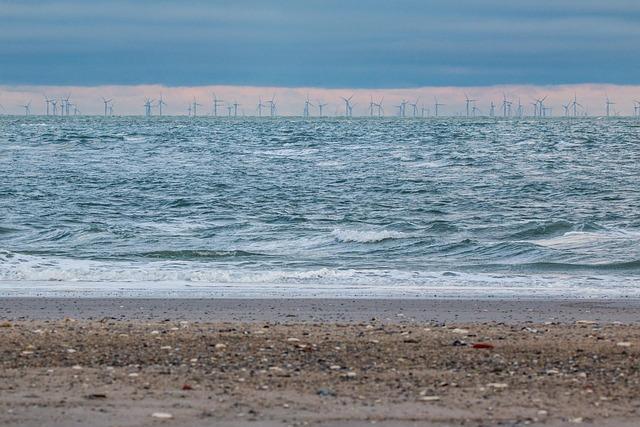
French energy giant Engie is in active discussions with the Trump administration regarding potential refunds linked to its US offshore wind projects, sources close to the matter reveal. The talks come amid growing scrutiny over financial arrangements and regulatory hurdles facing renewable energy initiatives in the United States. As Engie seeks to navigate the complexities of American policy and investment climate, the outcome of these negotiations could have significant implications for the future of offshore wind development and transatlantic energy cooperation.
France’s Engie Engages with Trump Administration on Offshore Wind Project Refund Discussions
French energy giant Engie is currently in talks with the Trump administration concerning a financial refund related to its offshore wind projects in the United States. These discussions emphasize the growing complexity and financial challenges companies face within the booming US offshore wind sector. Engie’s engagement highlights issues surrounding project delays, regulatory hurdles, and the evolving federal policies impacting investments in renewable energy infrastructure.
Key points from the ongoing negotiations include:
- Potential compensation frameworks to offset the increased costs and timeline disruptions
- Assessment of tariff and subsidy implications under current US trade and energy regulations
- Strategies to secure investor confidence amid shifting political landscapes
As the dialogue unfolds, stakeholders are closely monitoring potential outcomes and their broader implications for the transatlantic renewable energy partnership. Engie’s proactive approach could set significant precedents for other international developers navigating the US offshore wind market.
Implications of Refund Talks for US Offshore Wind Market and Future Investments
Negotiations between Engie and the Trump administration signal a critical juncture for the US offshore wind sector, potentially reshaping the landscape for foreign investors. The prospect of refunds or financial adjustments could alleviate immediate fiscal pressures on project developers, fostering renewed confidence in the viability of large-scale wind installations along the US coast. However, this dialogue also raises questions about policy stability and the risks inherent in cross-border infrastructure investments in a politically dynamic environment. Stakeholders are closely monitoring how these refund talks could influence not only current projects but also government incentives and regulatory frameworks moving forward.
The evolving situation carries broad implications, including:
- Investor sentiment – Clarity on refunds may encourage new entrants and capital inflows into the US offshore wind industry.
- Project timelines – Financial renegotiations could cause delays or accelerate development depending on outcomes.
- Policy precedent – The administration’s handling of the refund requests may set an important benchmark for future renewable energy partnerships.
- International collaboration – Demonstrates the complexity of aligning multinational energy goals amid shifting domestic priorities.
As the talks progress, market participants and policymakers alike will need to adapt swiftly to maintain momentum towards America’s clean energy targets.
Expert Recommendations for Navigating Policy Uncertainties in US Renewable Energy Sector
In the wake of ongoing negotiations between France’s Engie and the Trump administration concerning refunds tied to US offshore wind projects, industry experts emphasize the necessity for strategic agility amid fluctuating policy landscapes. The unpredictable shifts in federal energy policies pose significant challenges for international investors, compelling companies to adopt a multi-faceted approach to risk management. Experts suggest that firms remain vigilant in monitoring legislative developments while proactively engaging with policymakers to safeguard their investments.
Key recommendations stress the importance of:
- Diversifying project portfolios across regions and energy technologies to mitigate localized regulatory impacts.
- Establishing transparent communication channels with government agencies to anticipate and influence policy direction.
- Investing in robust legal frameworks that can adapt to changes and secure project viability.
- Leveraging public-private partnerships to strengthen project credibility and financial resilience.
These measures are deemed crucial not only to navigate immediate financial uncertainties but also to position stakeholders favorably within the evolving US renewable energy market.
To Wrap It Up
As discussions between Engie and the Trump administration continue, the outcome could have significant implications for the future of US offshore wind projects and international energy collaborations. Stakeholders will be closely monitoring these developments as they may set important precedents for how foreign companies navigate financial and regulatory challenges in the evolving American renewable energy landscape.